Embracing the Dance of Duality
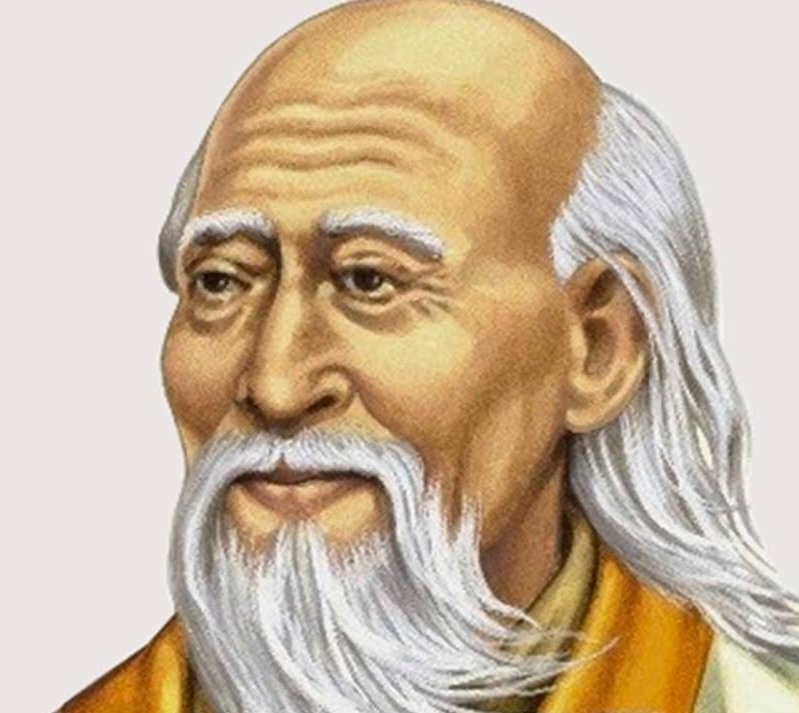
Lao Tzu's profound observation, "Misery! Happiness is to be found by its side! Happiness! Misery lurks beneath it!" invites us to explore the intricate relationship between joy and sorrow. In this succinct yet powerful statement, he reveals a fundamental truth about the human experience: happiness and misery are not opposing forces but rather intertwined aspects of our existence. Understanding this duality is essential for cultivating a deeper sense of wisdom and acceptance in our lives, as it encourages us to embrace the full spectrum of our emotions rather than shying away from discomfort.
This insight holds particular significance in a world that often promotes the pursuit of happiness as a singular goal, leading many to overlook the lessons that arise from moments of suffering. By acknowledging that happiness is often accompanied by its counterpart, we can begin to appreciate the richness of our experiences. Lao Tzu's words remind us that the path to true contentment lies not in the avoidance of pain but in the acceptance of both joy and sorrow as integral parts of our journey.
The image / the metaphor
The imagery in Lao Tzu's quote evokes a vivid sense of the duality inherent in our emotional landscape. The use of the words "misery" and "happiness" creates a stark contrast, yet the phrase "by its side" suggests a closeness that belies their apparent opposition. This juxtaposition invites us to consider how happiness often emerges from the depths of our struggles, while misery can lurk beneath the surface of our joy, waiting to remind us of our vulnerability. The verbs chosen—"found" and "lurks"—imply an active engagement with these emotions, urging us to explore their coexistence rather than viewing them as separate entities.
In the speaker's tradition
Within the context of Taoism, Lao Tzu's insights resonate with the concept of yin and yang, which embodies the idea that opposites are interconnected and interdependent. This principle teaches us that light cannot exist without darkness, just as happiness cannot be fully appreciated without the experience of sorrow. By embracing this duality, we align ourselves with the natural flow of the universe, cultivating a sense of harmony and balance in our lives. The Taoist notion of wu wei, or effortless action, further complements this understanding, suggesting that by accepting the ebb and flow of our emotions, we can navigate life with grace and ease.
In the Tao Te Ching, Lao Tzu often emphasizes the importance of simplicity and humility, urging us to let go of rigid distinctions and embrace the fluidity of existence. This is echoed in Chapter 2, where he states, "When people see some things as beautiful, other things become ugly. When people see some things as good, other things become bad." Here, he highlights the inherent duality in our perceptions, encouraging us to transcend binary thinking and recognize the interconnectedness of all experiences. By doing so, we can cultivate a deeper understanding of ourselves and the world around us.
Living the teaching
Consider a modern scenario where this teaching might resonate: a person navigating the complexities of a career transition. Initially, the individual may experience anxiety and uncertainty, feelings often associated with misery. However, as they confront these challenges, they may also discover newfound strengths and opportunities for growth, leading to moments of happiness. By recognizing that these emotions coexist, the individual can approach their journey with a sense of openness, allowing both joy and sorrow to inform their experience rather than viewing them as obstacles to overcome.
In relationships, this teaching can manifest in moments of conflict or misunderstanding. When two partners face difficulties, it is easy to become entrenched in feelings of frustration or sadness. Yet, if they can acknowledge that these moments of misery often coexist with the potential for deeper connection and understanding, they may find a path toward reconciliation. By embracing the duality of their emotions, they can cultivate empathy and compassion, ultimately strengthening their bond and fostering a more profound appreciation for the complexities of love.
A reflection
As we contemplate Lao Tzu's words, we are invited to reflect on our own experiences of happiness and misery. How can we embrace the duality of our emotions, recognizing that each moment of joy may be accompanied by the shadow of sorrow? In what ways can we cultivate a deeper understanding of ourselves and our relationships by acknowledging the interconnectedness of these experiences? Allow this contemplation to guide you toward a more profound acceptance of the full spectrum of your emotional life.




Join the BrightStar Community
Stay connected with daily inspiration, event announcements, and community wisdom