The Wisdom of Silence: Embracing Stillness in a Noisy World
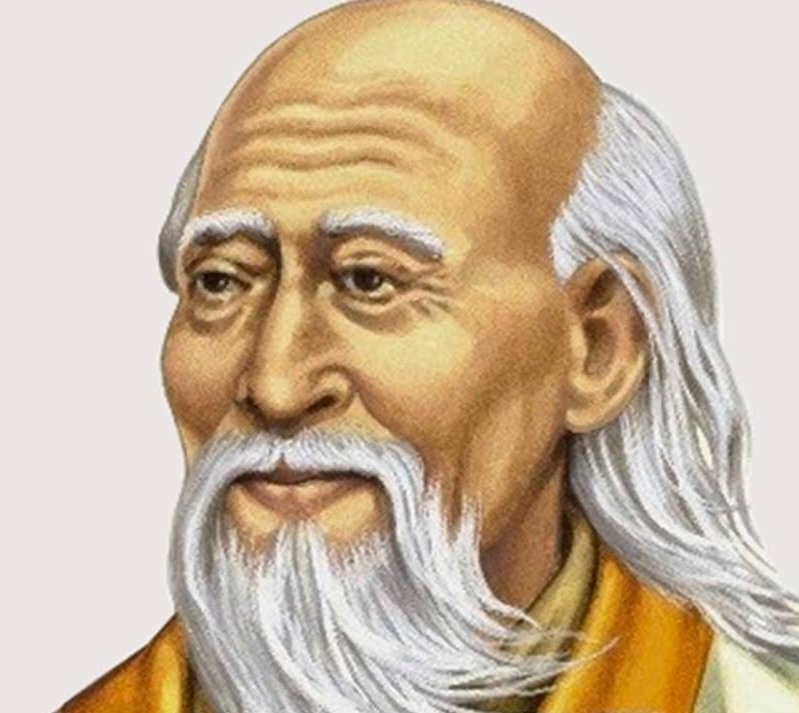
Lao Tzu's assertion, "The more you talk, the more you exhaust yourself," invites us to reflect on the profound relationship between silence and wisdom. In a world that often equates verbosity with intelligence and authority, this quote serves as a gentle reminder of the value of restraint and contemplation. It challenges us to consider how our incessant chatter can lead to mental fatigue and emotional depletion, urging us instead to cultivate a deeper awareness of the power of silence.
In a society that prizes expression and communication, Lao Tzu's words resonate with a quiet urgency. They beckon us to explore the depths of our inner lives, suggesting that true understanding and insight often arise not from the clamor of words but from the stillness that allows for reflection and introspection. This teaching is not merely about the act of speaking less; it is an invitation to engage with the world in a more mindful and intentional way, fostering a connection to our inner selves and the universe around us.
The image / the metaphor
The imagery in Lao Tzu's quote evokes a sense of weariness that accompanies excessive speech. The verb "exhaust" suggests a depletion of energy, not just physically but also mentally and spiritually. When we engage in constant dialogue, we often find ourselves entangled in a web of thoughts and emotions that can drain our vitality. The metaphor here is clear: words, while powerful, can also be burdensome, leading us away from clarity and peace.
In the speaker's tradition
Within the rich tapestry of Taoism, Lao Tzu's emphasis on silence aligns with key concepts such as wu wei, or "non-action," and the idea of sunyata, or emptiness. Wu wei encourages us to act in harmony with the natural flow of life, suggesting that sometimes the most profound actions arise from stillness rather than forceful exertion. Similarly, sunyata invites us to recognize the inherent emptiness in all things, allowing us to let go of attachments and the need for constant verbal affirmation.
In the Tao Te Ching, Lao Tzu often contrasts the wise person with the foolish, illustrating that true wisdom lies in understanding when to speak and when to remain silent. This is echoed in Chapter 56, where he states, "Those who know do not speak. Those who speak do not know." This profound insight encourages us to cultivate a sense of humility and awareness, recognizing that the most meaningful truths often reside in the quiet spaces of our existence.
Living the teaching
Consider a modern scenario where this teaching can be applied: a busy workplace filled with constant chatter and meetings. In such an environment, the pressure to contribute vocally can lead to exhaustion and a sense of overwhelm. By consciously choosing to listen more and speak less, one can create a space for deeper understanding and collaboration. This practice not only fosters a more harmonious workplace but also allows individuals to conserve their energy for moments that truly matter.
In personal relationships, the wisdom of silence can be equally transformative. Imagine a moment of conflict where emotions run high, and words are exchanged in haste. By pausing to embrace silence, both parties can reflect on their feelings and intentions, creating an opportunity for genuine connection and resolution. This practice of mindful communication encourages us to approach difficult conversations with a sense of calm, allowing for a deeper exploration of our shared humanity.
A reflection
As we contemplate Lao Tzu's insight, we are invited to consider: In what areas of my life am I speaking too much, and how might silence serve me better? This question encourages us to reflect on our communication habits and the impact they have on our well-being and relationships. By embracing the wisdom of silence, we can cultivate a deeper connection to ourselves and the world, allowing for a more profound experience of life.




Join the BrightStar Community
Stay connected with daily inspiration, event announcements, and community wisdom