The Art of Letting Go: Embracing Non-Attachment
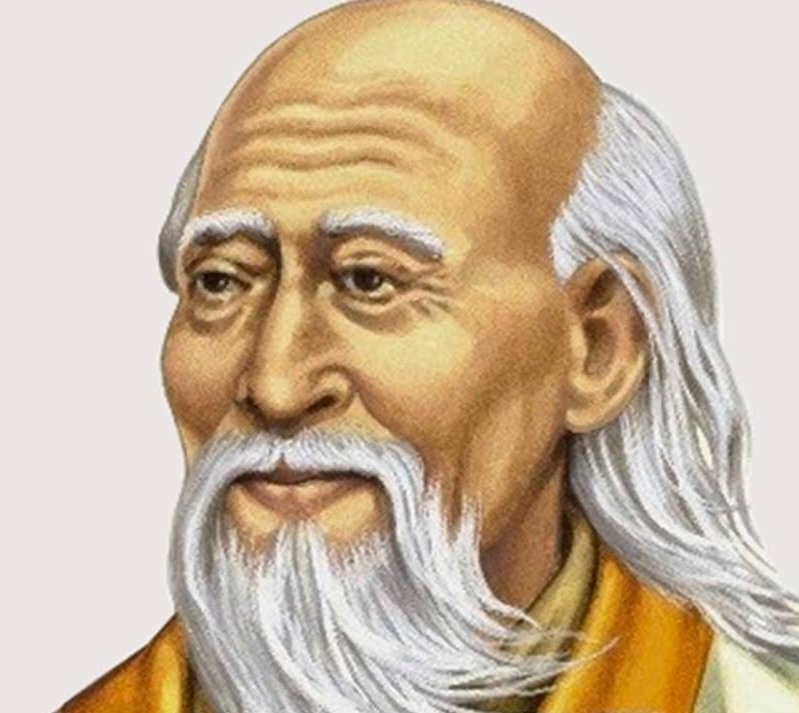
Lao Tzu's profound assertion, "The world is won by those who let it go. When you try and try, the world is then beyond winning," invites us to reconsider our relationship with ambition and desire. In a culture that often equates success with relentless striving, this wisdom challenges us to explore the power of non-attachment. The stakes are high: in our pursuit of worldly achievements, we may find ourselves ensnared in a cycle of frustration and dissatisfaction, ultimately losing sight of what truly matters.
This teaching resonates deeply in a world where the pressure to succeed can overshadow our innate sense of peace. By letting go of our attachment to outcomes, we open ourselves to a more profound experience of life, one that is not dictated by external validations. Lao Tzu's words remind us that true mastery lies not in clinging to our desires but in embracing the fluidity of existence, allowing life to unfold as it will. This perspective invites a radical shift in how we engage with our aspirations and the world around us.
The image / the metaphor
The imagery in Lao Tzu's quote evokes a sense of surrender, suggesting that the act of "winning" is not a matter of forceful effort but rather a gentle release. The verbs "let go" and "try" create a dichotomy between the ease of acceptance and the struggle of striving. This contrast paints a vivid picture of the tension we often experience when we cling to our desires, as if grasping tightly to a fleeting shadow. The felt sense of this teaching is one of liberation, where the burdens of expectation and competition dissolve into the serenity of acceptance.
In the speaker's tradition
Within the rich tapestry of Taoism, Lao Tzu's teaching on non-attachment aligns closely with the concept of wu-wei, or "effortless action." This principle encourages us to align our actions with the natural rhythms of the universe, rather than forcing our will upon it. In this light, the act of letting go becomes a form of wisdom, allowing us to navigate life with grace and ease. The Taoist understanding of reality emphasizes the interconnectedness of all things, suggesting that our attempts to control outcomes often lead to dissonance rather than harmony.
Moreover, this teaching resonates with the Buddhist concept of sunyata, or emptiness, which invites us to recognize the transient nature of all phenomena. Just as the Tao Te Ching encourages us to embrace the fluidity of existence, Buddhist teachings remind us that clinging to fixed notions of self and success can lead to suffering. In both traditions, the path to liberation lies in the recognition that true fulfillment arises not from attachment but from a deep understanding of impermanence and interdependence.
Living the teaching
Consider a modern scenario where this teaching might resonate: the relentless pursuit of career advancement. Many individuals find themselves caught in a cycle of striving for promotions, accolades, and recognition, often at the expense of their well-being. In this context, Lao Tzu's wisdom serves as a gentle reminder that true success may not lie in the accolades we accumulate but in the quality of our relationships and the peace we cultivate within ourselves. By letting go of the need to constantly prove ourselves, we can foster a more balanced and fulfilling approach to our professional lives.
In the realm of personal relationships, this teaching can be equally transformative. Imagine a situation where one partner is overly attached to the idea of a perfect relationship, leading to frustration and disappointment. By embracing the principle of non-attachment, both partners can learn to appreciate each other as they are, rather than striving for an idealized version of love. This shift allows for a deeper connection rooted in acceptance and understanding, freeing both individuals from the burdens of expectation and enabling them to experience the richness of their shared journey.
A reflection
As we contemplate Lao Tzu's profound insight, we are invited to reflect on our own lives: What attachments are we clinging to that may be hindering our sense of peace and fulfillment? In what areas do we find ourselves striving excessively, perhaps at the cost of our well-being or relationships? By engaging with these questions, we can begin to explore the transformative power of letting go, opening ourselves to a more authentic and harmonious existence.


Join the BrightStar Community
Stay connected with daily inspiration, event announcements, and community wisdom