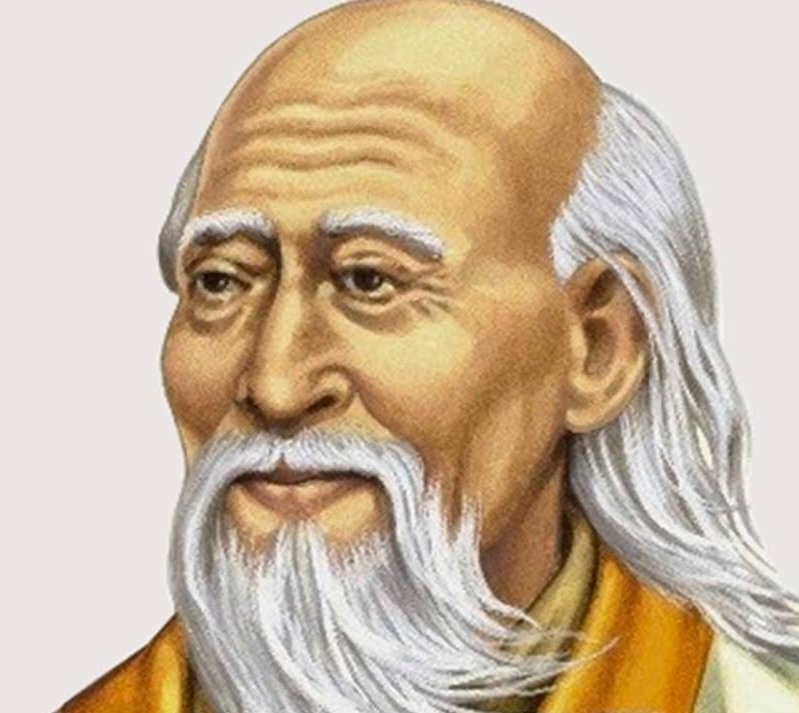
The Wisdom of Emptiness: Finding Value in the Void
Lao Tzu's profound observation, "Thirty spokes share the wheel's hub; it is the empty space that makes the wheel useful," invites us to reconsider our understanding of utility and existence. At first glance, this statement may seem paradoxical, as we often equate value with presence and substance. Yet, Lao Tzu challenges us to recognize that it is the emptiness—the absence of material form—that enables the wheel to function effectively. This insight is not merely philosophical; it has practical implications for how we navigate our lives, relationships, and inner landscapes.
In a world that often prioritizes accumulation and tangible achievements, Lao Tzu's wisdom serves as a gentle reminder of the importance of what is not seen. The empty space within the wheel symbolizes potential, freedom, and the capacity for movement. This teaching resonates deeply in our contemporary lives, where we may find ourselves overwhelmed by the noise of constant activity and the pressure to fill every moment with productivity. By embracing the concept of emptiness, we can cultivate a deeper sense of purpose and clarity, allowing us to engage with life more meaningfully.
The image / the metaphor
The imagery of the wheel, with its thirty spokes converging at a central hub, evokes a sense of balance and interconnectedness. Each spoke represents a different aspect of our lives—work, relationships, aspirations—while the hub symbolizes our core self, the essence from which all these elements arise. The empty space at the center is not merely a void; it is a vital component that allows the wheel to turn smoothly. Without this emptiness, the spokes would lack the flexibility and freedom necessary for movement, rendering the wheel ineffective.
Diving deeper into the metaphor, we can see that the wheel's functionality is a reflection of our own lives. Just as the spokes rely on the hub's emptiness to create motion, our experiences and endeavors depend on the spaces we create for reflection, rest, and contemplation. This emptiness is not a deficiency but rather a source of strength, allowing us to navigate the complexities of existence with grace and ease. In this way, Lao Tzu invites us to embrace the paradox of emptiness as a fundamental aspect of our being.
In the speaker's tradition
Lao Tzu's teachings are deeply rooted in the tradition of Taoism, which emphasizes the harmony of opposites and the importance of balance in all aspects of life. Concepts such as wu wei, or non-action, and sunyata, the emptiness that underlies all phenomena, resonate with the idea that true usefulness arises from the acknowledgment of what is not present. In Taoism, emptiness is not a void to be feared but a space to be cherished, as it allows for the flow of life and the unfolding of our true nature.
In the Tao Te Ching, Lao Tzu often contrasts the visible and the invisible, urging us to recognize the significance of both. For instance, he writes, "Knowing others is intelligence; knowing yourself is true wisdom. Mastering others is strength; mastering yourself is true power." This passage underscores the importance of inner emptiness and self-awareness as pathways to genuine understanding and strength. By cultivating this inner space, we can align ourselves more closely with the Tao, the natural order of the universe.
Living the teaching
Consider a modern scenario where this teaching can be applied: the relentless pace of our work lives. Many individuals find themselves caught in a cycle of constant busyness, believing that their worth is tied to their productivity. However, by recognizing the value of emptiness—taking breaks, allowing for moments of stillness, and creating space for creativity—we can enhance our effectiveness and well-being. Embracing these pauses can lead to greater clarity and innovation, ultimately making our contributions more meaningful.
This teaching also finds resonance in our relationships. In moments of conflict or misunderstanding, we often rush to fill the silence with words or actions, seeking to assert our viewpoints. Yet, it is in the empty spaces of listening and reflection that true connection can occur. By allowing ourselves to be present in the silence, we create an opportunity for deeper understanding and empathy, fostering a more profound bond with others. In this way, the emptiness becomes a fertile ground for love and compassion to flourish.
A reflection
As we contemplate Lao Tzu's wisdom, we are invited to explore the role of emptiness in our own lives. What spaces can we create for stillness, reflection, and growth? In what areas do we find ourselves clinging to the tangible, neglecting the potential that lies in the unseen? By engaging with these questions, we can begin to appreciate the profound usefulness of emptiness and its capacity to enrich our existence.




Join the BrightStar Community
Stay connected with daily inspiration, event announcements, and community wisdom