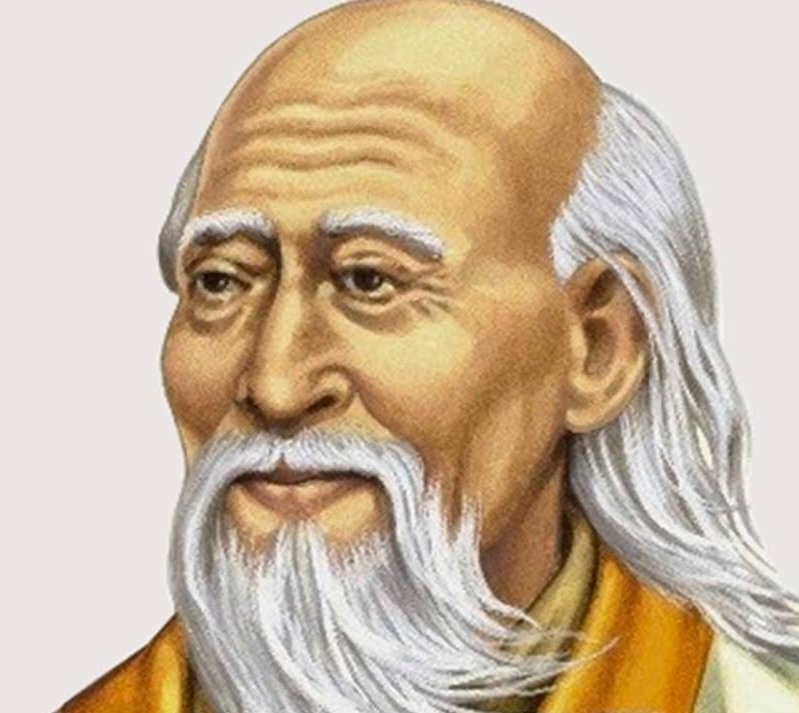
The Gentle Power of Goodness
Lao Tzu's profound insight invites us to embrace a radical form of compassion: to treat both the virtuous and the unvirtuous with goodness. This teaching challenges our instinctive reactions to negativity and wrongdoing, urging us to transcend our judgments and biases. In a world often divided by moral dichotomies, the call to respond with kindness, regardless of the circumstances, holds transformative potential for both ourselves and our communities.
At its core, this quote from the Tao Te Ching encapsulates the essence of Taoist philosophy, which emphasizes harmony, balance, and the interconnectedness of all beings. By suggesting that goodness can be cultivated through our responses to others, Lao Tzu points to a deeper understanding of human nature and the possibility of healing through compassion. This perspective invites us to reflect on our own behaviors and the impact they have on the world around us.
The image / the metaphor
The imagery in Lao Tzu's quote evokes a sense of nurturing and resilience. The verbs "treat" and "attain" suggest an active engagement with the world, where our actions are not merely reactions but deliberate choices that shape our reality. The notion of goodness as something that can be "attained" implies that it is a state of being that requires cultivation, much like a garden that flourishes with care and attention.
Diving deeper into the metaphor, we can see that goodness is not a finite resource; it is a flowing energy that expands when shared. By treating those who are not good with the same kindness we offer to those who are, we create a ripple effect that can transform hostility into understanding. This approach challenges the conventional wisdom that suggests we must respond to negativity with defensiveness or aggression, instead proposing that our greatest strength lies in our capacity for unconditional love.
In the speaker's tradition
Lao Tzu's teachings are deeply rooted in the principles of Taoism, which emphasizes the importance of living in accordance with the Tao, or the natural way of the universe. Concepts such as "wu wei," or effortless action, resonate with the idea of responding to others with goodness without expectation or attachment. This aligns with the notion of "kenosis," or self-emptying, found in various spiritual traditions, where one relinquishes the ego to allow for a greater flow of compassion and understanding.
In the context of the Tao Te Ching, this teaching can be seen as an expression of "prajna," or wisdom, which encourages us to see beyond the surface of human behavior. The text often speaks to the importance of embracing the dualities of life, suggesting that true wisdom lies in recognizing the interconnectedness of all beings. By treating everyone with goodness, we embody the essence of the Tao, fostering harmony in a world that often feels fragmented.
Living the teaching
Consider a modern scenario where this teaching might resonate: a workplace conflict arises when a colleague behaves unprofessionally. The instinctive reaction might be to respond with frustration or to withdraw entirely. However, if we apply Lao Tzu's wisdom, we might choose to approach the situation with understanding, seeking to understand the underlying reasons for their behavior. By extending kindness rather than judgment, we create an opportunity for dialogue and healing, potentially transforming a negative environment into one of collaboration and support.
This teaching can also be applied in personal relationships, especially during challenging moments. Imagine a loved one who is struggling and lashes out in anger. Instead of retaliating or taking their words personally, we can embody the principle of goodness by responding with compassion and patience. This approach not only helps to de-escalate the situation but also fosters a deeper connection, allowing both individuals to navigate their emotions with grace and understanding.
A reflection
As we contemplate Lao Tzu's invitation to treat all with goodness, we might ask ourselves: How can I cultivate a heart of compassion in the face of adversity? This question encourages us to reflect on our responses to others and to consider the transformative power of kindness. In a world that often feels divided, the practice of extending goodness to all can be a profound act of resistance, paving the way for healing and unity.




Join the BrightStar Community
Stay connected with daily inspiration, event announcements, and community wisdom