The Illusion of Control: Embracing the Flow of Existence
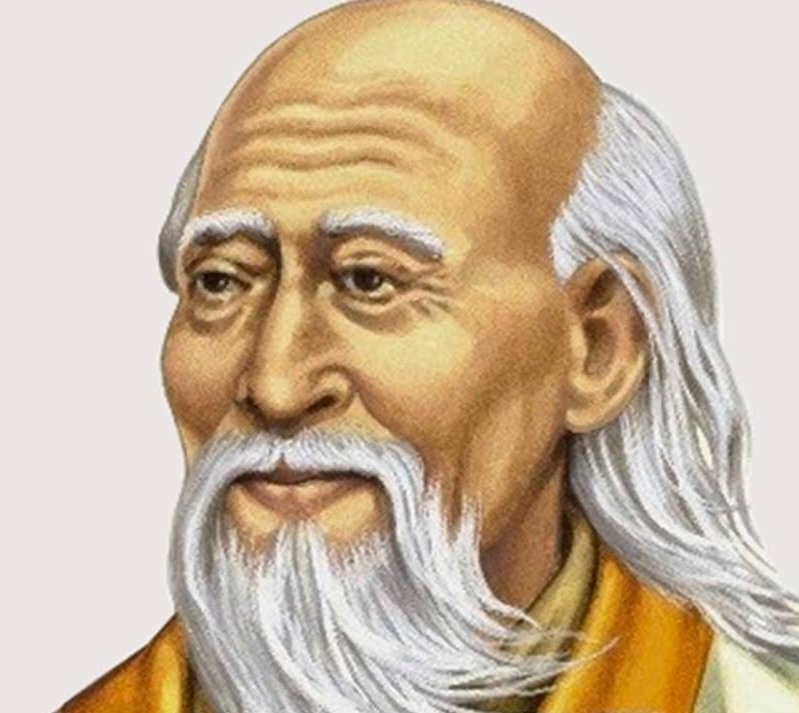
Lao Tzu's assertion, "Whoever wishes to take the kingdom and contrive anything in regard to it, I see he will not succeed," speaks to the futility of striving for control over the natural order of things. In this statement, he invites us to reflect on the limitations of human ambition and the wisdom of surrendering to the flow of life. The stakes are high; in a world that often equates success with dominance and manipulation, Lao Tzu’s words remind us that true fulfillment lies not in conquest but in harmony with the Tao, the fundamental principle that underlies and unites all existence.
This quote encapsulates a profound truth about the nature of existence and our place within it. It challenges the conventional narrative that success is achieved through forceful action and strategic planning. Instead, Lao Tzu suggests that the path to wisdom and peace is paved with humility and acceptance. The kingdom he refers to is not merely a physical realm but a state of being—one that can only be accessed through the practice of wu-wei, or effortless action, which allows us to align ourselves with the natural rhythms of life rather than impose our will upon them.
The image / the metaphor
The imagery in Lao Tzu's quote evokes a sense of struggle against an unseen force. The term "kingdom" conjures visions of power and dominion, yet the phrase "contrive anything in regard to it" highlights the futility of such efforts. The verbs chosen—"take" and "contrive"—imply a sense of aggression and manipulation, contrasting sharply with the gentle, yielding nature of the Tao. This tension between striving and surrender is palpable, inviting us to consider the emotional weight of our ambitions and the potential consequences of our actions.
In the speaker's tradition
Within the context of Taoism, Lao Tzu's teachings resonate deeply with the concepts of humility and wu-wei. Humility, or the recognition of our place within the vast tapestry of existence, allows us to let go of the ego-driven desire for control. Wu-wei, often translated as "non-action" or "effortless action," encourages us to act in accordance with the natural flow of life rather than against it. This alignment with the Tao fosters a sense of peace and contentment that transcends the superficial pursuits of power and success.
In the Tao Te Ching, Lao Tzu frequently emphasizes the importance of yielding and softness as strengths rather than weaknesses. For instance, he writes, "The soft overcomes the hard; the gentle overcomes the rigid." This principle echoes throughout various spiritual traditions, where the idea of surrendering to a higher power or the universe is seen as a pathway to enlightenment. The Buddhist concept of sunyata, or emptiness, similarly invites us to release our attachments and embrace the fluidity of existence, allowing us to experience life more fully.
Living the teaching
Consider a modern scenario where this teaching might resonate: a professional striving for a promotion. In their pursuit, they may engage in competitive behaviors, undermining colleagues or sacrificing personal well-being for the sake of ambition. However, by embracing Lao Tzu's wisdom, they might instead focus on collaboration, nurturing relationships, and allowing their natural talents to shine without force. This shift in perspective not only fosters a healthier work environment but also cultivates a sense of inner peace, as they learn to trust the unfolding of their career path.
In the realm of relationships, this teaching can be particularly transformative. Imagine a couple facing a conflict where one partner insists on "winning" the argument. By recognizing the futility of such a stance, they can choose to approach the situation with humility and openness, allowing for a more authentic dialogue. This practice of wu-wei—responding with gentleness rather than aggression—can lead to deeper understanding and connection, illustrating how surrendering the need for control can enrich our interactions and foster love.
A reflection
As we contemplate Lao Tzu's profound insight, we are invited to reflect on our own lives: In what areas do we find ourselves striving for control or dominance? How might we practice humility and embrace the flow of life instead? By engaging with these questions, we can begin to uncover the subtle ways in which our desires for power may hinder our ability to experience true fulfillment and connection with the world around us.


Join the BrightStar Community
Stay connected with daily inspiration, event announcements, and community wisdom