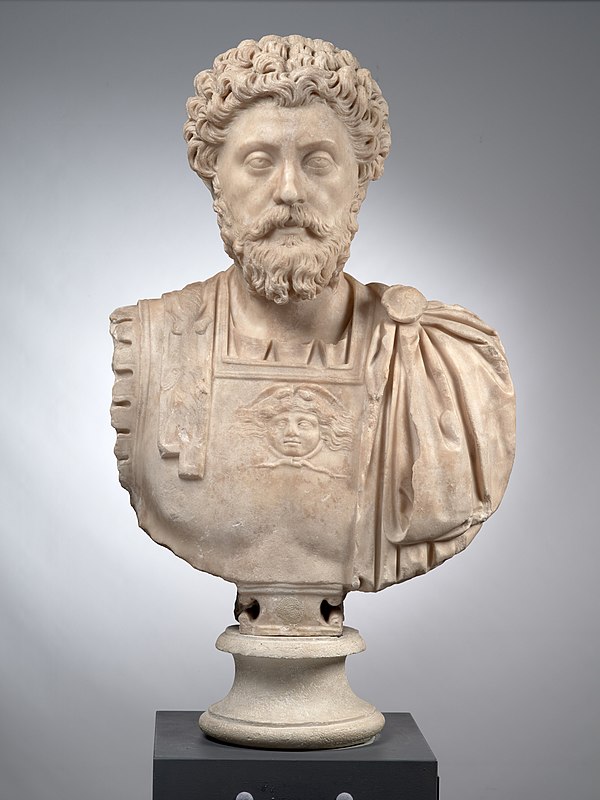
The Fleeting Nature of Fame and Existence
Marcus Aurelius, in his profound reflection, reminds us that "All is ephemeral — fame and the famous as well." This assertion invites us to confront the transient nature of life, urging us to recognize that even the most celebrated achievements and individuals are ultimately temporary. In a world that often glorifies fame and success, this wisdom serves as a grounding force, prompting us to reassess our values and priorities. Understanding the impermanence of all things can lead to a more meaningful existence, one that is not tethered to the fleeting accolades of the moment.
Delving deeper, Aurelius's words resonate with a universal truth that transcends time and culture: nothing lasts forever. The allure of fame can be intoxicating, yet it is a mirage that distracts us from the essence of our being. By acknowledging the ephemeral nature of fame, we cultivate humility and a deeper appreciation for the present moment. This awareness not only liberates us from the burdens of comparison and envy but also invites us to engage more authentically with our lives and relationships.
The image / the metaphor
The imagery in Aurelius's quote evokes a sense of transience, akin to a passing breeze or a fleeting shadow. The choice of the word "ephemeral" suggests a delicate, almost fragile existence, where the accolades of fame are as insubstantial as morning dew. This metaphor extends beyond mere recognition; it encompasses the entirety of human experience, highlighting that all achievements, no matter how grand, are temporary. The verbs chosen—"is" and "as well"—imply a shared fate among all, suggesting that fame does not confer permanence but rather aligns with the universal truth of mortality.
In the speaker's tradition
Marcus Aurelius's reflections are deeply rooted in Stoicism, a philosophy that emphasizes the importance of virtue, reason, and acceptance of the natural order of the universe. Central to Stoic thought is the concept of impermanence, which resonates with ideas found in other spiritual traditions, such as the Buddhist notion of sunyata, or emptiness, which teaches that all phenomena are transient and devoid of inherent existence. Similarly, the Sufi concept of fana, or annihilation of the self, echoes this sentiment, suggesting that true wisdom lies in recognizing the fleeting nature of worldly attachments.
In his seminal work, "Meditations," Aurelius often contemplates the nature of existence and the importance of living in accordance with nature. He writes, "You could leave life right now. Let that determine what you do and say and think." This passage reinforces the idea that our time is limited, and thus, we should focus on what truly matters. By embracing the impermanence of life, we can cultivate a sense of urgency to live authentically and purposefully, aligning our actions with our values rather than chasing after ephemeral accolades.
Living the teaching
Consider a modern scenario where the teaching of impermanence can be profoundly impactful: the world of social media. In an age where likes and followers can define one's worth, many find themselves caught in a relentless pursuit of validation. The fleeting nature of online fame can lead to anxiety and dissatisfaction, as individuals grapple with the pressure to maintain their status. By internalizing Aurelius's wisdom, one might shift their focus from the ephemeral nature of online recognition to cultivating genuine connections and pursuing passions that resonate with their true self, ultimately leading to a more fulfilling life.
In the realm of relationships, the understanding of impermanence can foster deeper connections. When we recognize that every moment with loved ones is precious and transient, we are encouraged to engage more fully in our interactions. This awareness can transform mundane moments into opportunities for connection, prompting us to express gratitude and love openly. In times of conflict or difficulty, remembering that both joy and strife are temporary can help us navigate challenges with grace, allowing us to approach each situation with a sense of humility and understanding.
A reflection
As we contemplate Marcus Aurelius's assertion that "All is ephemeral — fame and the famous as well," we are invited to reflect on our own lives and the values we hold dear. What aspects of your life are you clinging to that may not endure? In what ways can you embrace the transient nature of existence to cultivate a deeper sense of purpose and connection? Allow this contemplation to guide you toward a more authentic and meaningful engagement with the world around you.




Join the BrightStar Community
Stay connected with daily inspiration, event announcements, and community wisdom