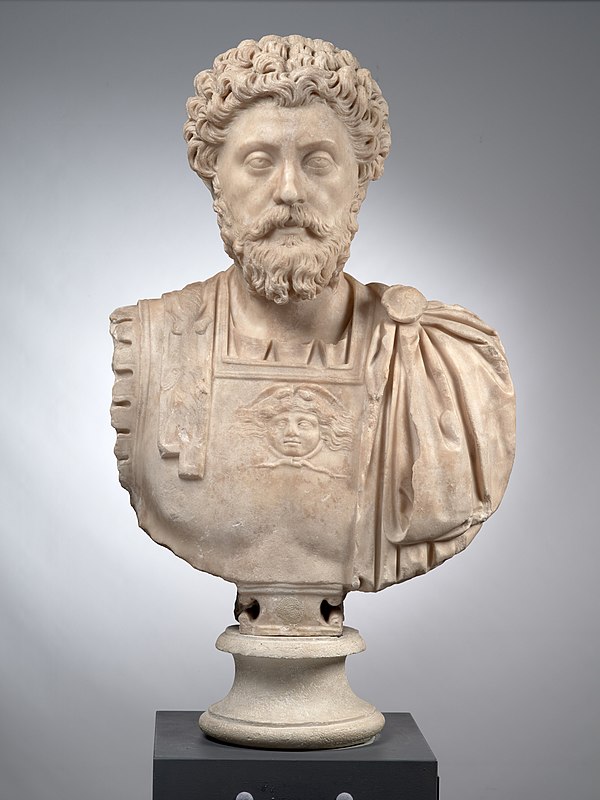
Embracing the Unpredictable: A Stoic Perspective on Life's Surprises
Marcus Aurelius, in his profound reflection, states, "How ridiculous and what a stranger he is who is surprised at anything that happens in life." This assertion invites us to reconsider our responses to the unpredictable nature of existence. In a world rife with uncertainty, the Stoic philosophy encourages us to cultivate a mindset of acceptance and resilience, recognizing that surprise often stems from our own expectations rather than the events themselves. Understanding this can transform our relationship with life's inevitable fluctuations, allowing us to navigate them with grace and wisdom.
Delving deeper into Aurelius's insight, we find a call to embrace the inherent unpredictability of life. The Stoic tradition teaches that while we cannot control external events, we can control our perceptions and reactions to them. This perspective fosters a sense of inner peace, as we learn to accept what is beyond our control and focus on our responses. By acknowledging the absurdity of surprise, we liberate ourselves from the shackles of expectation, opening the door to a more profound understanding of existence.
The image / the metaphor
At first glance, Aurelius's words evoke a vivid image of a person caught off guard by the vicissitudes of life. The choice of the word "ridiculous" suggests a certain folly in being astonished by the unpredictable, while "stranger" implies a disconnect from the very essence of human experience. This imagery serves to highlight the absurdity of our surprise, as if we are outsiders to the fundamental truths of existence. The verbs chosen—"surprised" and "happens"—convey a sense of passivity, suggesting that life unfolds independently of our expectations.
Digging deeper into the metaphor, we can see that Aurelius is not merely pointing out the folly of surprise; he is inviting us to engage with life more authentically. The notion of being a "stranger" suggests that when we are surprised, we are alienated from the reality of our shared human experience. By recognizing that life is inherently unpredictable, we can cultivate a sense of belonging to the greater tapestry of existence, where each thread—each event—contributes to the whole. This understanding encourages us to embrace life's unpredictability as an integral part of our journey.
In the speaker's tradition
Marcus Aurelius's reflections are deeply rooted in Stoic philosophy, which emphasizes the importance of accepting the natural order of the universe. This acceptance resonates with concepts found in other spiritual traditions, such as the Buddhist notion of *sunyata*, or emptiness, which teaches that all phenomena are transient and interconnected. Similarly, the idea of *dharma* in Hinduism underscores the importance of aligning oneself with the natural flow of life, accepting both joy and suffering as part of the human experience. In this light, Aurelius's words serve as a reminder that surprise often arises from our resistance to the unfolding of life.
In his seminal work, *Meditations*, Aurelius frequently reflects on the importance of maintaining equanimity in the face of life's challenges. He writes, "You have power over your mind—not outside events. Realize this, and you will find strength." This sentiment echoes the core of his teaching: that our true strength lies not in controlling external circumstances but in mastering our internal responses. By cultivating this inner strength, we can navigate the unpredictable nature of life with a sense of calm and clarity.
Living the teaching
Consider a modern scenario where this teaching resonates: a sudden job loss. In such a moment, it is easy to feel shocked and overwhelmed, caught off guard by the unexpected turn of events. However, if we embrace Aurelius's wisdom, we can shift our perspective. Instead of viewing this loss as a calamity, we can see it as an opportunity for growth and reinvention. By accepting the reality of the situation and focusing on our response—perhaps exploring new career paths or pursuing passions long set aside—we can transform a moment of surprise into a catalyst for positive change.
Another application of this teaching might arise in the context of relationships. Imagine a disagreement with a close friend that escalates unexpectedly. The initial surprise can lead to feelings of hurt and confusion. Yet, by recalling Aurelius's insight, we can remind ourselves that conflict is a natural part of human interaction. Instead of allowing surprise to dictate our emotions, we can approach the situation with empathy and understanding, recognizing that both parties are navigating their own experiences. This shift in perspective can foster deeper connections and facilitate healing.
A reflection
As we contemplate Marcus Aurelius's assertion, we are invited to reflect on our own responses to life's unpredictability. How often do we find ourselves surprised by the events that unfold around us? In what ways can we cultivate a mindset of acceptance, allowing us to embrace the flow of life rather than resist it? By engaging with these questions, we can begin to embody the Stoic wisdom that Aurelius so eloquently articulated, transforming our relationship with the unexpected into one of grace and resilience.




Join the BrightStar Community
Stay connected with daily inspiration, event announcements, and community wisdom