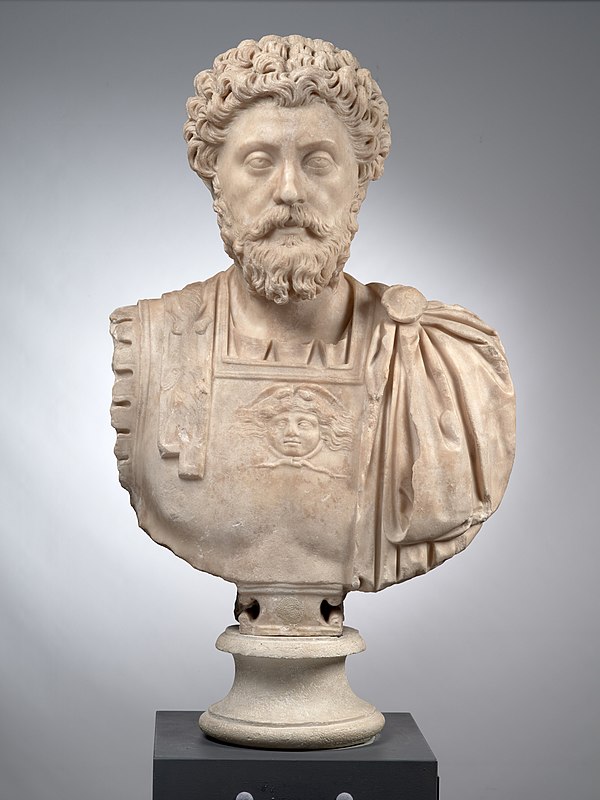
The Art of Focused Living: Insights from Marcus Aurelius
In his profound reflection, Marcus Aurelius invites us to engage fully with the present moment, emphasizing the importance of working diligently on what lies directly before us. He suggests that by adhering to reason with seriousness, vigor, and calmness, while resisting distractions, we can cultivate a life of happiness. This assertion resonates deeply in our fast-paced world, where distractions abound and the pursuit of happiness often feels elusive. Understanding this quote is not merely an intellectual exercise; it is a call to embody a way of living that prioritizes presence and purpose.
As we delve deeper into Aurelius's wisdom, we recognize that his guidance is not just about productivity but about the quality of our engagement with life itself. The Stoic philosopher emphasizes that happiness is not a distant goal but a byproduct of our commitment to the present moment. By focusing on what we can control—our thoughts and actions—we can navigate life's complexities with grace and fulfillment. This perspective invites us to reflect on our own lives and consider how often we allow distractions to pull us away from what truly matters.
The image / the metaphor
The imagery in Aurelius's quote evokes a sense of clarity and purpose. The phrase "workest at that which is before thee" conjures a vision of a person fully immersed in their tasks, embodying a state of flow where time seems to dissolve. The verbs "following," "seriously," "vigorously," and "calmly" suggest a harmonious balance between effort and tranquility, a dance between action and stillness. This duality is essential; it reminds us that true engagement does not require frantic energy but rather a focused and serene commitment to the present.
In the speaker's tradition
Marcus Aurelius's teachings are deeply rooted in the Stoic tradition, which emphasizes the importance of virtue, rationality, and self-control. Central to Stoicism is the concept of living in accordance with nature, which aligns closely with the idea of dharma in Eastern philosophies. Just as dharma calls for an alignment with one's true purpose, Aurelius's exhortation to focus on what lies before us encourages a life lived in harmony with our rational nature. This alignment fosters a sense of inner peace and fulfillment, as we engage with the world authentically and purposefully.
In his work "Meditations," Aurelius often reflects on the transient nature of life and the importance of accepting what we cannot control. This resonates with the Buddhist concept of sunyata, or emptiness, which teaches that attachment to distractions and desires leads to suffering. By embracing the present moment and focusing on our immediate responsibilities, we can cultivate a sense of freedom and joy, much like the Stoic ideal of apatheia, or emotional tranquility. Aurelius's wisdom thus serves as a bridge between different philosophical traditions, highlighting the universal quest for a meaningful and happy life.
Living the teaching
Consider a modern scenario where this teaching can be applied: a busy professional overwhelmed by the demands of work and life. In the midst of meetings, emails, and deadlines, it is easy to become scattered, losing sight of what truly matters. By consciously choosing to focus on one task at a time, following Aurelius's guidance, this individual can transform their experience. Rather than multitasking and succumbing to distractions, they can approach each responsibility with vigor and calmness, ultimately finding greater satisfaction and happiness in their work.
Another application of this teaching can be found in personal relationships. Imagine a moment of conflict with a loved one, where emotions run high and distractions abound. By grounding oneself in the present and focusing on the conversation at hand—listening deeply and responding thoughtfully—one can navigate the situation with grace. This practice of presence not only fosters deeper connections but also cultivates a sense of peace, allowing both individuals to emerge from the interaction feeling heard and valued. In this way, Aurelius's wisdom becomes a practical guide for enriching our relationships and enhancing our overall well-being.
A reflection
As we contemplate Marcus Aurelius's profound insight, we are invited to reflect on our own lives: How often do we allow distractions to pull us away from the tasks and relationships that matter most? In a world filled with noise and urgency, the challenge lies in cultivating a focused presence that honors our true intentions. Consider this contemplative question: What would it look like to approach each moment with the seriousness, vigor, and calmness that Aurelius advocates? In answering this, we may uncover pathways to a more fulfilling and happy existence.




Join the BrightStar Community
Stay connected with daily inspiration, event announcements, and community wisdom