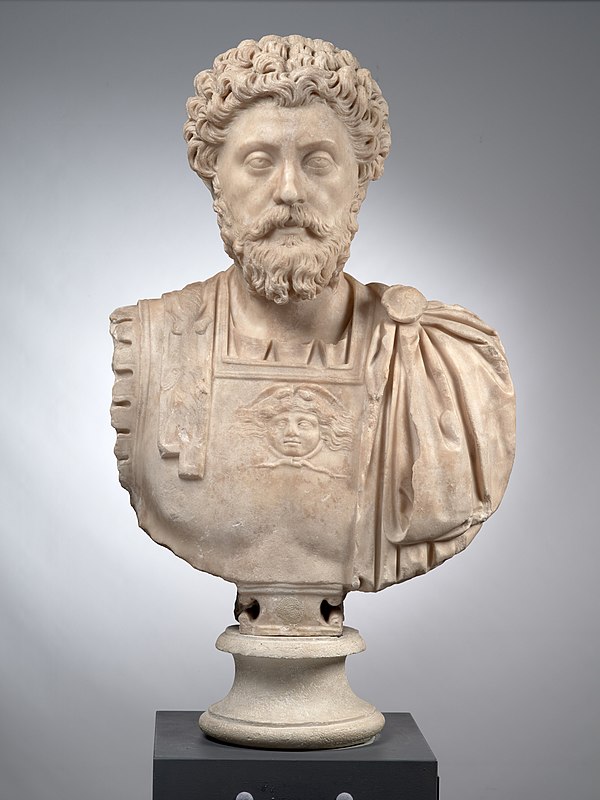
The Tranquil Mind: A Stoic Path to Inner Peace
Marcus Aurelius offers a profound insight when he states, "It is in your power to withdraw yourself whenever you desire. Perfect tranquility within consists in the good ordering of the mind." This quote encapsulates the essence of personal agency and the importance of mental clarity in achieving inner peace. In a world often fraught with chaos and distraction, Aurelius reminds us that tranquility is not a distant goal but a state of being accessible through the cultivation of our thoughts and perceptions.
To withdraw oneself, as Aurelius suggests, is not merely a physical act but a mental discipline. It invites us to step back from the tumult of external circumstances and to engage in the intentional ordering of our inner landscape. This notion of perfect tranquility is deeply rooted in the Stoic tradition, which emphasizes the power of the mind to shape our experience of reality. By recognizing that our thoughts can be managed and directed, we find a pathway to serenity that is both liberating and empowering.
The image / the metaphor
At the heart of Aurelius's quote lies a vivid imagery of withdrawal and tranquility. The act of withdrawing oneself evokes a sense of retreat, a conscious decision to step away from the noise of the world. The verbs "withdraw" and "order" suggest an active engagement with our mental state, highlighting that tranquility is not a passive experience but a deliberate choice. This imagery invites us to envision a sanctuary within ourselves, a place where we can cultivate peace amidst the storms of life.
Diving deeper into the metaphor, we can see that the "good ordering of the mind" implies a structured approach to our thoughts and emotions. It suggests that just as one organizes a physical space to create harmony, we must also organize our mental space to foster tranquility. This ordering involves discernment—choosing which thoughts to entertain and which to release. In this way, Aurelius presents tranquility as a cultivated garden, requiring attention, care, and intention to flourish.
In the speaker's tradition
Marcus Aurelius stands as a pillar of Stoic philosophy, which teaches that our perceptions shape our reality. Central to Stoicism is the concept of *apatheia*, or freedom from destructive emotions, which aligns closely with Aurelius's call for mental order. This resonates with other spiritual traditions, such as Buddhism's notion of *sunyata*, or emptiness, which encourages the letting go of attachments to achieve peace. Both traditions emphasize the importance of inner clarity and the ability to navigate life's challenges with equanimity.
In his *Meditations*, Aurelius often reflects on the transient nature of life and the importance of focusing on what is within our control. This echoes the teachings of Epictetus, another Stoic philosopher, who famously stated, "It's not what happens to you, but how you react to it that matters." Both thinkers urge us to cultivate a disciplined mind, suggesting that true tranquility arises from our ability to govern our thoughts and reactions, rather than being swept away by external circumstances.
Living the teaching
Consider a modern scenario where this teaching can be applied: imagine facing a stressful work environment filled with deadlines and interpersonal conflicts. In such moments, the ability to withdraw mentally becomes a powerful tool. By consciously stepping back and assessing the situation without immediate emotional reaction, one can create space for clarity and thoughtful responses. This practice of mental withdrawal allows for a more composed approach to problem-solving, fostering a sense of peace even amidst chaos.
Another application of this teaching can be found in personal relationships, particularly during conflicts. When tensions rise, the instinct may be to react impulsively, often exacerbating the situation. However, by practicing the art of withdrawal, one can take a moment to breathe and reflect before responding. This pause not only cultivates a more peaceful interaction but also models a healthy way of engaging with emotions, promoting understanding and compassion rather than discord.
A reflection
As we contemplate Marcus Aurelius's wisdom, we are invited to explore our own relationship with tranquility. How often do we allow external circumstances to dictate our inner peace? In what ways can we practice the good ordering of our minds to cultivate a more tranquil existence? Reflecting on these questions can illuminate the paths we might take toward greater serenity and self-mastery.


Join the BrightStar Community
Stay connected with daily inspiration, event announcements, and community wisdom