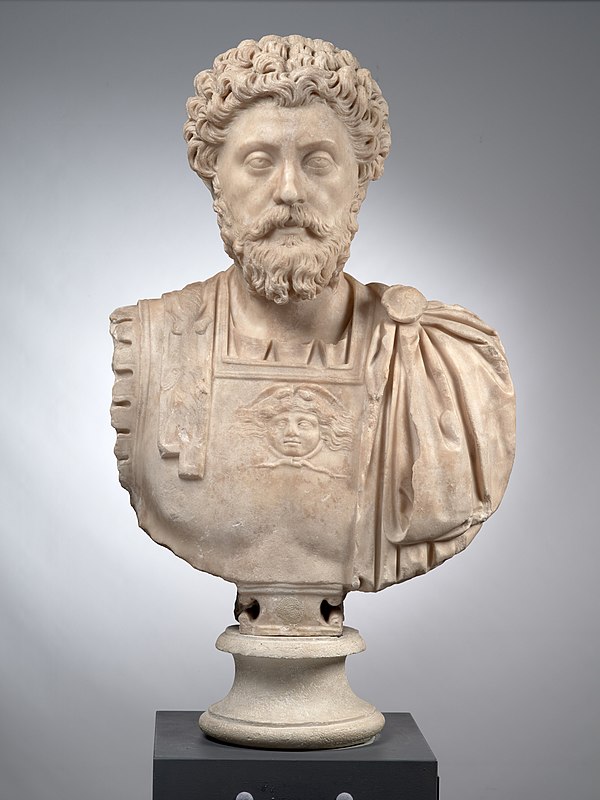
The True Measure of Wealth
In the words of Marcus Aurelius, "It is not the man who has too little, but the man who craves more, that is poor." This profound statement invites us to reconsider our understanding of wealth and poverty, suggesting that true richness lies not in material possessions but in the state of our desires. The essence of this teaching challenges the conventional notion that abundance equates to happiness, urging us to reflect on the nature of our cravings and the inner peace that can be found in contentment.
As we delve deeper into Aurelius's insight, we recognize that the pursuit of more—whether it be possessions, status, or validation—often leads to a cycle of dissatisfaction and longing. This craving can create a sense of poverty that transcends material wealth, leaving individuals feeling perpetually unfulfilled. By examining our desires and cultivating a sense of gratitude for what we already possess, we can shift our perspective and embrace a more profound sense of richness in our lives.
The image / the metaphor
At first glance, Aurelius's quote presents a stark contrast between two types of individuals: the one who lacks material wealth and the one who is consumed by insatiable desires. The imagery evokes a sense of inner conflict, where the true poverty lies not in the absence of possessions but in the relentless yearning for more. The verbs "craves" and "is poor" suggest an active engagement with desire, highlighting how our mental states shape our experience of wealth and fulfillment.
Diving deeper into the metaphor, we can see that Aurelius is not merely contrasting physical wealth with emotional poverty; he is illuminating the profound impact of our mindset on our overall well-being. The act of craving is depicted as a form of bondage, where the individual is trapped in a cycle of wanting that obscures the beauty of the present moment. In this light, the quote serves as a reminder that true freedom and richness come from within, cultivated through mindfulness and appreciation.
In the speaker's tradition
Marcus Aurelius, a key figure in Stoicism, emphasizes the importance of inner virtue over external possessions. This philosophy aligns closely with concepts such as *ataraxia*, the state of serene calmness, and *eudaimonia*, often translated as human flourishing or well-being. Both concepts underscore the Stoic belief that true contentment arises from living in accordance with virtue and reason, rather than succumbing to the whims of desire and materialism.
In his *Meditations*, Aurelius frequently reflects on the transient nature of life and the futility of excessive craving. He writes about the importance of focusing on what is within our control and accepting what is not. This resonates with the Buddhist concept of *sunyata*, or emptiness, which teaches that attachment to desires leads to suffering. By recognizing the impermanence of all things, we can cultivate a sense of detachment that fosters genuine contentment.
Living the teaching
Consider a modern scenario where this teaching might resonate: a professional striving for a promotion. The individual may work tirelessly, sacrificing personal time and relationships in pursuit of recognition and success. In this case, the craving for more—more accolades, more power—can lead to a sense of emptiness, overshadowing the joy found in the present moment and the relationships that truly enrich life.
Alternatively, think about a relationship where one partner constantly seeks validation from the other, craving reassurance and attention. This desire can create tension and dissatisfaction, as the individual feels perpetually unfulfilled. By embracing Aurelius's teaching, both partners can learn to appreciate each other and the love they share, cultivating a deeper connection rooted in gratitude rather than craving. This shift in perspective can transform the relationship, allowing both individuals to experience a richer, more fulfilling bond.
A reflection
As we contemplate Aurelius's wisdom, we are invited to ask ourselves: In what areas of my life am I craving more, and how does this affect my sense of fulfillment? This question encourages a deep introspection that can lead to greater awareness of our desires and their impact on our well-being. By exploring this inquiry, we can begin to cultivate a sense of contentment that transcends material wealth, ultimately leading us to a richer, more meaningful existence.


Join the BrightStar Community
Stay connected with daily inspiration, event announcements, and community wisdom