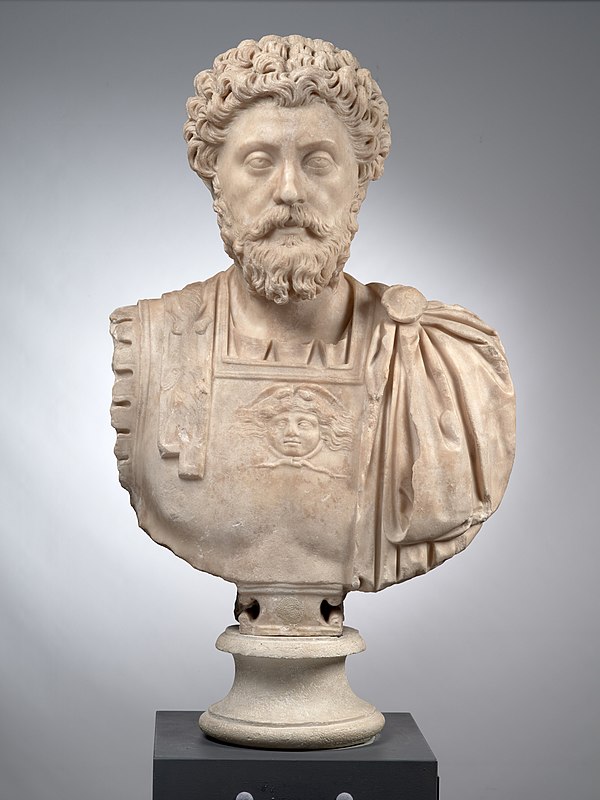
Embracing the Flow of Time: Lessons from Marcus Aurelius
Marcus Aurelius invites us to reflect on the past, suggesting that by examining the rise and fall of empires, we can glean insights into the future. This contemplation is not merely an exercise in historical analysis; it is a profound reminder of the impermanence that characterizes all aspects of existence. In a world where change is the only constant, understanding this cyclical nature of life can empower us to navigate our own journeys with greater wisdom and resilience.
In a time when many seek certainty and permanence, Aurelius's words resonate deeply. They challenge us to confront the transient nature of our experiences and the world around us. By recognizing the patterns of history, we can cultivate a sense of perspective that allows us to approach our lives with humility and foresight. This awareness not only enriches our understanding of the present but also prepares us for the uncertainties that lie ahead.
The image / the metaphor
The imagery in Aurelius's quote evokes a vast landscape of time, where empires rise like mountains and fall like autumn leaves. The verbs "look back" and "foresee" suggest an active engagement with history, urging us to not merely observe but to learn from the past. This dynamic interplay between reflection and anticipation creates a felt sense of continuity, where the lessons of yesteryear inform our present actions and future decisions.
In the speaker's tradition
Marcus Aurelius stands as a pillar of Stoic philosophy, which emphasizes the importance of rationality, self-control, and acceptance of the natural order of the universe. Central to Stoicism is the concept of amor fati, or love of fate, which encourages us to embrace the unfolding of life as it is, rather than how we wish it to be. This acceptance of impermanence aligns with the Buddhist notion of sunyata, or emptiness, which teaches that all phenomena are transient and devoid of inherent existence.
In his seminal work, Meditations, Aurelius often reflects on the nature of time and the inevitability of change. For instance, he writes about the importance of living in accordance with nature and recognizing that everything is interconnected. This perspective invites us to see our individual lives as part of a larger narrative, where the lessons of history serve as a guide for our own ethical and moral choices.
Living the teaching
Consider a modern scenario where this teaching might resonate: a professional facing the upheaval of a job loss. In such a moment, the instinct may be to cling to the past, to mourn what has been lost. However, by reflecting on the impermanence of careers and the cyclical nature of employment, one can find solace and clarity. This perspective allows for the possibility of new beginnings, encouraging the individual to explore new paths rather than remain anchored in grief.
Similarly, in personal relationships, the awareness of impermanence can foster deeper connections. When we recognize that our time with loved ones is limited, we may choose to engage more fully in the present moment. This understanding can transform mundane interactions into meaningful exchanges, as we learn to appreciate the fleeting nature of our shared experiences. By embracing the wisdom of Aurelius, we can cultivate a richer, more intentional way of relating to ourselves and others.
A reflection
As we contemplate Marcus Aurelius's profound insight, we are invited to ask ourselves: How can I embrace the impermanence of my own life in a way that fosters growth and resilience? This question encourages us to reflect on our past experiences, recognizing the lessons they hold for our future. In doing so, we may find a deeper sense of peace and purpose, allowing the wisdom of history to illuminate our path forward.




Join the BrightStar Community
Stay connected with daily inspiration, event announcements, and community wisdom