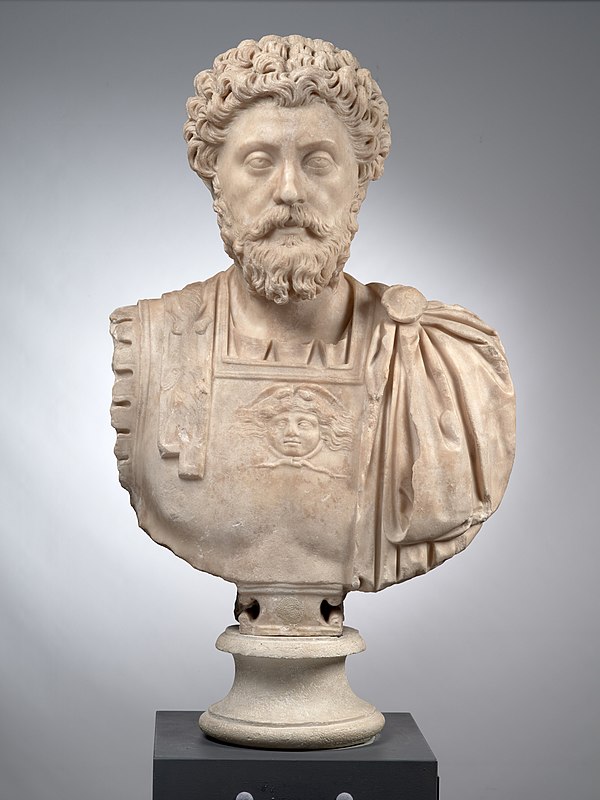
The Path of Integrity: A Stoic Reflection
Marcus Aurelius offers us a profound yet simple directive: "If it is not right do not do it; if it is not true do not say it." This statement encapsulates the essence of Stoic philosophy, urging us to align our actions and words with the principles of virtue and truth. In a world often clouded by ambiguity and moral relativism, Aurelius's wisdom serves as a guiding star, reminding us that integrity is not merely a personal choice but a universal imperative that shapes our character and interactions.
In this age of information overload and ethical dilemmas, the stakes of Aurelius's advice are higher than ever. The challenge lies not only in discerning what is right and true but also in having the courage to act upon that discernment. This quote invites us to engage in a deep self-examination of our motivations and the impact of our choices on ourselves and others. It calls for a commitment to authenticity that transcends mere compliance with societal norms, urging us to cultivate a life grounded in virtue.
The image / the metaphor
At first glance, the quote presents a straightforward dichotomy: the distinction between right and wrong, truth and falsehood. The verbs "do" and "say" evoke a sense of agency, suggesting that our actions and words are not mere reactions but deliberate choices that reflect our inner values. The imagery conjured here is one of clarity and decisiveness, where the individual stands at a crossroads, faced with the moral weight of their decisions. This moment of choice is imbued with a sense of responsibility, as it emphasizes that our integrity is forged in the crucible of action.
In the speaker's tradition
Marcus Aurelius's teachings are deeply rooted in Stoicism, a philosophical tradition that emphasizes virtue as the highest good. Central to Stoic thought is the concept of living in accordance with nature, which parallels the Eastern notion of dharma—one's duty or path in life. Just as dharma calls for alignment with universal principles, Aurelius's directive urges us to act in harmony with our moral convictions. This alignment fosters a sense of inner peace and resilience, allowing us to navigate the complexities of life with grace.
In his work "Meditations," Aurelius often reflects on the importance of self-examination and the cultivation of virtue. He writes, "The happiness of your life depends upon the quality of your thoughts." This connection between thought, action, and truth underscores the Stoic belief that our internal state shapes our external reality. By adhering to the principles of right action and truthful speech, we not only elevate our own lives but also contribute positively to the collective human experience.
Living the teaching
Consider a modern scenario where this teaching might resonate: a workplace environment where ethical dilemmas frequently arise. Imagine a colleague who is tempted to take credit for a project that was a collaborative effort. In this moment, the choice to act rightly—to acknowledge the contributions of all involved—reflects a commitment to integrity. By choosing not to engage in deceit, the individual not only upholds their own values but also fosters a culture of trust and respect within the team.
Another application of Aurelius's wisdom can be found in personal relationships. Picture a conversation where one partner feels compelled to hide their true feelings to avoid conflict. Here, the directive to speak only what is true becomes a powerful tool for fostering intimacy and understanding. By embracing honesty, even when it is uncomfortable, both partners can navigate their differences with greater clarity and compassion, ultimately strengthening their bond.
A reflection
As we contemplate Marcus Aurelius's words, we are invited to engage in a profound self-inquiry: What does it mean for me to act rightly and speak truly in my life? This question challenges us to reflect on our values, our relationships, and the choices we make daily. In a world filled with distractions and competing narratives, the pursuit of integrity becomes not just a personal journey but a collective endeavor that can transform our communities and ourselves.


Join the BrightStar Community
Stay connected with daily inspiration, event announcements, and community wisdom