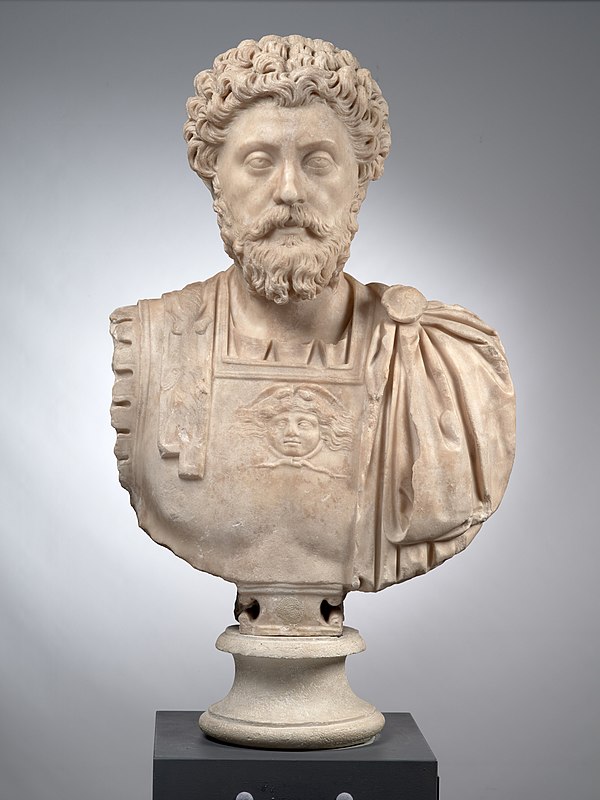
The True Strength of Character: A Stoic Perspective on Revenge
Marcus Aurelius offers a profound insight when he states, "The best revenge is to be unlike him who performed the injury." In essence, he suggests that the most powerful response to wrongdoing is not to retaliate in kind but to elevate oneself above the actions of the offender. This perspective invites us to reflect on the nature of our character and the choices we make in the face of adversity. It challenges us to consider how our responses define us, rather than allowing the actions of others to dictate our behavior.
In a world often driven by a desire for retribution, Aurelius's words resonate deeply. They remind us that true strength lies not in vengeance but in the cultivation of virtue and integrity. By choosing to respond with grace rather than anger, we not only preserve our dignity but also foster a sense of inner peace. This teaching encourages us to transcend the cycle of harm and retaliation, inviting us to engage in a more profound and transformative practice of forgiveness and self-improvement.
The image / the metaphor
The imagery in Aurelius's quote evokes a stark contrast between two paths: one of injury and retaliation, and the other of virtue and self-restraint. The verb "to be unlike" suggests an active choice, a conscious decision to rise above the fray rather than sink into the mire of bitterness and revenge. This choice is not merely passive; it requires a deliberate effort to embody the qualities we wish to cultivate within ourselves. The felt sense of this quote is one of empowerment, as it places the responsibility for our reactions squarely in our own hands.
Diving deeper into the metaphor, we can see that Aurelius is not advocating for a denial of our feelings or a suppression of our natural instincts for justice. Instead, he invites us to transform our responses into opportunities for growth. By choosing to embody the opposite of the injury inflicted upon us, we engage in a profound act of self-definition. This act becomes a form of personal alchemy, turning the base metal of hurt into the gold of character and virtue.
In the speaker's tradition
Marcus Aurelius's thoughts are deeply rooted in the Stoic tradition, which emphasizes the importance of virtue as the highest good. Central to Stoicism is the concept of living in accordance with nature, which includes understanding our emotions and reactions as part of the human experience. This aligns with the idea of dharma in Eastern philosophies, where one is encouraged to act in accordance with their true nature and higher principles, rather than being swayed by external circumstances or the actions of others.
In his work "Meditations," Aurelius frequently reflects on the impermanence of life and the importance of maintaining equanimity in the face of adversity. He writes, "You have power over your mind—not outside events. Realize this, and you will find strength." This sentiment echoes the essence of his quote on revenge, emphasizing that our true power lies in our ability to choose our responses, thereby shaping our character and destiny.
Living the teaching
Consider a modern scenario where this teaching can be applied: imagine a workplace conflict where a colleague undermines your efforts. The instinctual response may be to retaliate, perhaps by gossiping or sabotaging their work in return. However, Aurelius's wisdom encourages a different approach. Instead of mirroring the negative behavior, one might choose to respond with professionalism and integrity, focusing on one's own work and maintaining a positive attitude. This not only preserves one's character but also sets a standard for how to engage with others, potentially transforming the workplace culture.
In personal relationships, this teaching can be particularly poignant. When a loved one betrays trust or causes emotional pain, the immediate reaction may be to lash out or withdraw in anger. Yet, by embodying the principle of being unlike the one who has caused injury, we can choose to respond with compassion and understanding. This might involve open communication, expressing feelings without blame, or even extending forgiveness. Such actions not only heal relationships but also foster personal growth, reinforcing the strength of character that Aurelius champions.
A reflection
As we contemplate Aurelius's insight, we are invited to reflect on our own responses to injury and wrongdoing. How often do we find ourselves caught in the cycle of retaliation, allowing the actions of others to dictate our behavior? In what ways can we embody the virtues we wish to see in the world, even when faced with adversity? Consider this contemplative question: What does it mean for you to rise above the actions of those who have wronged you, and how might this choice transform your life?


Join the BrightStar Community
Stay connected with daily inspiration, event announcements, and community wisdom