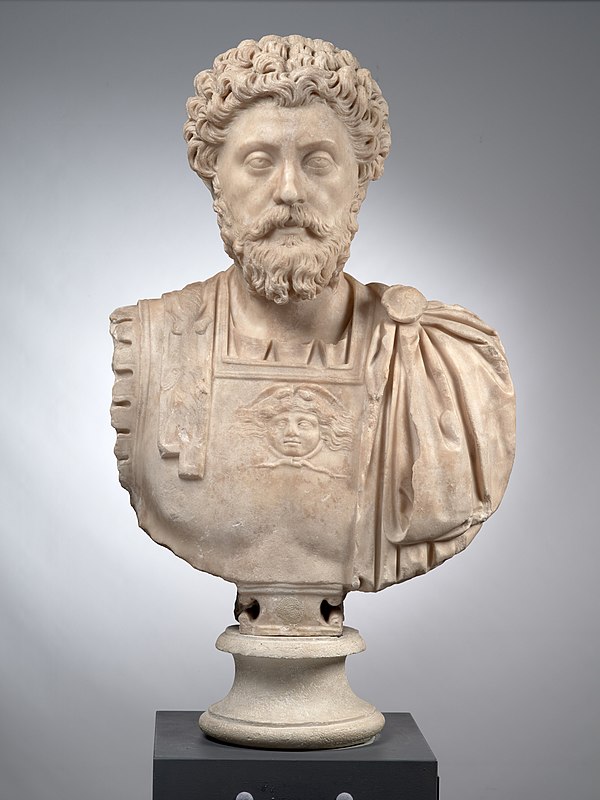
The Colors of Consciousness: A Stoic Reflection
Marcus Aurelius, the philosopher-emperor of Rome, offers us a profound insight when he states, "The soul becomes dyed with the color of its thoughts." In essence, he is reminding us that our inner landscape is shaped by the nature of our thoughts. This assertion holds significant weight in our lives, as it invites us to examine the quality of our mental dialogue and the impact it has on our emotional and spiritual well-being. The stakes are high; our thoughts can either elevate us or entrap us, coloring our experiences and perceptions of the world.
To delve deeper, we must recognize that this quote encapsulates a fundamental truth about human consciousness. It suggests that our thoughts are not mere fleeting occurrences but rather powerful forces that shape our identity and experience. The notion of "dying" implies a transformation, a deep-seated change that occurs within us as we engage with our thoughts. This transformation can lead to a more profound understanding of ourselves and the world around us, urging us to cultivate awareness and intentionality in our thinking.
The image / the metaphor
At first glance, the imagery in Aurelius's quote evokes a vivid picture of the soul as a canvas, with thoughts acting as the pigments that color it. The verbs "becomes" and "dyed" suggest a process of change, indicating that our thoughts actively shape our essence. This metaphor invites us to consider how our mental patterns can stain our perception, much like how a dye alters the fabric of a garment. It serves as a reminder that we have the agency to choose the colors we allow to permeate our consciousness.
Diving deeper into this metaphor, we can see that the act of dyeing is not merely superficial; it penetrates the very fibers of the material. Similarly, our thoughts can infiltrate our being, influencing our emotions, actions, and interactions with others. This understanding compels us to reflect on the quality of our thoughts—whether they are nurturing or toxic, constructive or destructive. The metaphor thus serves as a call to mindfulness, urging us to cultivate thoughts that enrich our souls rather than diminish them.
In the speaker's tradition
Marcus Aurelius's insights are deeply rooted in the Stoic tradition, which emphasizes the importance of rational thought and self-control. Central to Stoicism is the idea that our perceptions shape our reality, echoing concepts found in other spiritual traditions such as dharma in Buddhism, which speaks to the path of right thought and action. In Stoicism, the cultivation of virtue and wisdom is paramount, and Aurelius's assertion aligns with the Stoic belief that we have the power to govern our thoughts and, consequently, our lives.
In his work "Meditations," Aurelius often reflects on the transient nature of life and the importance of maintaining a clear and rational mind amidst external chaos. This resonates with the Buddhist concept of sunyata, or emptiness, which encourages practitioners to recognize the impermanence of thoughts and emotions. Just as the Stoics advocate for the practice of mindfulness to cultivate a virtuous life, so too do other traditions emphasize the need for awareness in shaping our inner experiences. Aurelius's wisdom thus stands as a bridge connecting various paths toward self-realization.
Living the teaching
Consider a modern scenario where this teaching might resonate: imagine a person facing a challenging work environment filled with negativity and stress. If they allow their thoughts to dwell on the toxicity around them, they may find themselves becoming increasingly agitated and disheartened. However, by consciously shifting their focus to gratitude, resilience, and the potential for growth, they can begin to "dye" their soul with more uplifting colors. This practice of intentional thought can transform their experience, enabling them to navigate challenges with a sense of purpose and clarity.
In a different context, think about a relationship that has become strained due to misunderstandings and unspoken grievances. If one partner allows negative thoughts to dominate their perception of the other, the relationship may suffer. However, by actively choosing to cultivate thoughts of compassion, understanding, and forgiveness, they can begin to alter the emotional landscape of their connection. This conscious effort to "dye" their thoughts positively can lead to healing and deeper intimacy, illustrating the transformative power of our inner dialogue.
A reflection
As we contemplate Marcus Aurelius's assertion that "the soul becomes dyed with the color of its thoughts," we are invited to engage in a profound self-inquiry. What colors are currently tinting your thoughts, and how do they shape your experience of life? In this moment of reflection, consider the impact of your mental landscape on your emotional and spiritual well-being, and ask yourself: how can I consciously choose thoughts that enrich my soul and illuminate my path?


Join the BrightStar Community
Stay connected with daily inspiration, event announcements, and community wisdom