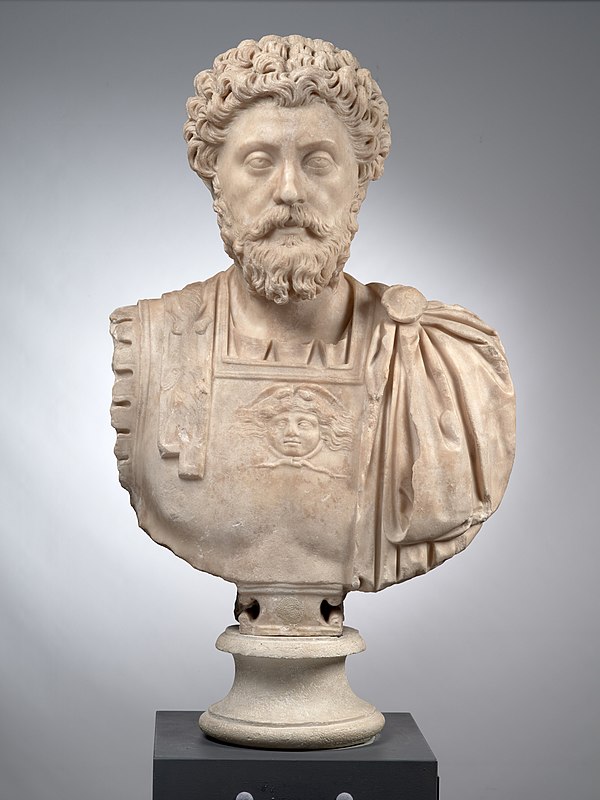
Embracing Our Shared Humanity
In the words of Marcus Aurelius, "Men exist for the sake of one another. Teach them then, or bear with them." This profound statement encapsulates the essence of human interconnectedness and the responsibilities that arise from it. Aurelius invites us to recognize that our existence is not merely for our own benefit but is deeply intertwined with the lives of others. This perspective is crucial in a world often marked by division and isolation, reminding us that our actions and attitudes toward one another hold significant weight in the collective human experience.
Delving deeper into this quote, we find a call to action that transcends mere tolerance. Aurelius urges us to engage actively with one another, whether through teaching or through the practice of patience. This duality of action—teaching and bearing with—highlights the complexity of human relationships and the necessity of compassion in our interactions. In a time when empathy can feel scarce, Aurelius's wisdom serves as a guiding light, encouraging us to foster kinship and understanding in our communities.
The image / the metaphor
At first glance, the imagery in Aurelius's quote evokes a sense of communal existence. The phrase "men exist for the sake of one another" suggests a profound interdependence, where individual lives are woven together like threads in a tapestry. The verbs "teach" and "bear with" imply active engagement; they are not passive actions but rather invitations to participate in the growth and well-being of others. This imagery evokes a sense of responsibility, urging us to consider how our lives impact those around us.
Going deeper, the metaphor of teaching and bearing with one another can be seen as a reflection of the Stoic belief in the importance of virtue and moral development. Teaching implies a sharing of wisdom, a nurturing of the soul, while bearing with others speaks to the acceptance of human flaws and the patience required to navigate them. Together, these actions create a dynamic interplay of support and understanding, suggesting that our journey toward virtue is not solitary but rather a shared endeavor.
In the speaker's tradition
Marcus Aurelius's insights are firmly rooted in the Stoic tradition, which emphasizes the importance of virtue, rationality, and the interconnectedness of all beings. This perspective resonates with concepts found in other spiritual traditions, such as dharma in Hinduism, which speaks to one's duty toward others, or the idea of kenosis in Christian thought, which emphasizes self-emptying for the sake of others. Aurelius's call to teach or bear with one another reflects a Stoic understanding that our moral obligations extend beyond ourselves, urging us to cultivate compassion and wisdom in our interactions.
In his work "Meditations," Aurelius often reflects on the nature of human relationships and the importance of community. For instance, he writes about the necessity of accepting the imperfections of others, recognizing that we are all part of a larger whole. This sentiment echoes the Stoic belief in the unity of humanity, where each individual's growth contributes to the collective well-being. By embracing this interconnectedness, we can better navigate the complexities of our relationships and foster a more compassionate world.
Living the teaching
Consider a modern scenario where this teaching can be applied: a workplace filled with diverse personalities and perspectives. In such an environment, conflicts may arise due to misunderstandings or differing values. Aurelius's wisdom encourages us to approach these situations with a mindset of teaching and patience. Instead of reacting with frustration, we can take the opportunity to engage in dialogue, share our insights, and learn from one another. This approach not only resolves conflicts but also strengthens the bonds between colleagues, fostering a culture of collaboration and respect.
Another application of this teaching can be found in personal relationships, particularly during challenging moments. Imagine a friend going through a difficult time, perhaps struggling with loss or disappointment. Aurelius's quote reminds us that our role is not merely to sympathize but to actively support and teach when possible. This might mean offering a listening ear, sharing our own experiences, or simply being present. By embodying the principles of teaching and bearing with, we create a space for healing and connection, reinforcing the idea that we are indeed here for one another.
A reflection
As we contemplate the depth of Marcus Aurelius's words, we are invited to reflect on our own relationships and interactions. How can we embody the spirit of teaching and patience in our daily lives? Consider the ways in which you can contribute to the well-being of those around you, whether through acts of kindness, sharing knowledge, or simply offering understanding. In a world that often feels fragmented, let us strive to nurture the connections that bind us, recognizing that our existence is enriched by the presence of others.




Join the BrightStar Community
Stay connected with daily inspiration, event announcements, and community wisdom