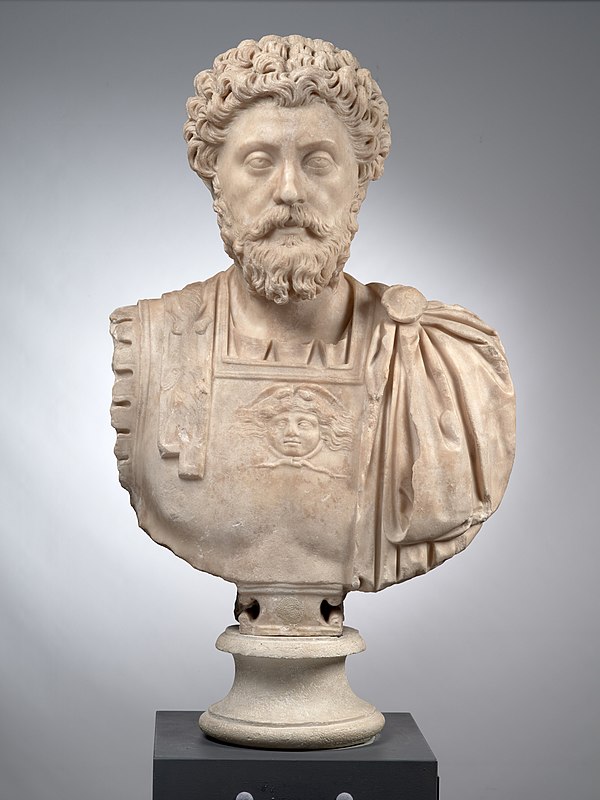
Unveiling the Essence: A Stoic Inquiry into Nature
Marcus Aurelius invites us to engage in a profound inquiry with his quote, "Of each particular thing ask: what is it in itself? What is its nature?" This call to discernment urges us to look beyond superficial appearances and societal constructs to grasp the intrinsic qualities of the world around us. In a time when distractions abound and superficial judgments often prevail, this wisdom becomes a beacon, guiding us toward a deeper understanding of ourselves and our experiences.
To ask about the nature of things is to embark on a journey of self-reflection and clarity. It challenges us to confront our assumptions and biases, compelling us to seek truth in its most unadulterated form. This inquiry is not merely an intellectual exercise; it is a pathway to wisdom that can transform our perceptions and interactions. By understanding the essence of things, we cultivate discernment, allowing us to navigate life with greater intention and authenticity.
The image / the metaphor
At its core, Aurelius's quote employs a straightforward yet profound metaphor: the act of questioning. The verbs "ask" and "is" evoke a sense of active engagement with the world, suggesting that understanding is not passively received but actively sought. The imagery of "each particular thing" emphasizes the importance of individual inquiry, inviting us to examine the unique qualities of every object, thought, or experience we encounter. This approach fosters a sense of curiosity and wonder, encouraging us to peel back layers of complexity to reveal the underlying truths.
Diving deeper into the metaphor, we recognize that this inquiry is akin to a sculptor chiseling away at a block of marble to reveal the statue within. Just as the sculptor must discern which parts to remove, we too must discern what is essential and what is extraneous in our lives. This process of discernment is not merely about intellectual understanding; it is a spiritual practice that requires patience, humility, and a willingness to confront uncomfortable truths. In this light, Aurelius's words become a call to cultivate a discerning heart and mind, one that seeks to uncover the essence of all things.
In the speaker's tradition
Marcus Aurelius stands as a pillar of Stoic philosophy, a tradition that emphasizes rationality, virtue, and the importance of understanding the nature of reality. Central to Stoicism is the concept of "logos," or rational order, which suggests that everything has an inherent nature that can be understood through reason. This aligns with the Eastern concept of "dharma," which refers to the intrinsic nature of beings and the universe, guiding us toward our rightful path. Both traditions encourage a deep inquiry into the essence of existence, urging us to align our actions with a greater understanding of nature.
In his "Meditations," Aurelius often reflects on the transient nature of life and the importance of living in accordance with nature. For instance, he writes about the impermanence of all things, reminding us that understanding their nature can lead to acceptance and peace. This echoes the Buddhist notion of "sunyata," or emptiness, which teaches that all phenomena are interdependent and devoid of inherent essence. By recognizing the nature of things, we can cultivate a sense of detachment and equanimity, allowing us to navigate life's challenges with grace.
Living the teaching
Consider a modern scenario where this teaching might resonate: a workplace conflict. Imagine a disagreement between colleagues that escalates into tension and misunderstanding. By applying Aurelius's wisdom, one might pause to ask, "What is the nature of this conflict? What underlying needs or values are at play?" This inquiry shifts the focus from blame to understanding, fostering a more constructive dialogue that can lead to resolution and collaboration. In this way, the practice of discernment transforms not only our perceptions but also our relationships.
Another application of this teaching can be found in personal relationships. When faced with a difficult moment, such as a disagreement with a loved one, we might ask ourselves, "What is the essence of this issue? What do I truly value in this relationship?" This reflective practice encourages us to move beyond surface-level emotions and to engage with the deeper currents of love, trust, and vulnerability that underpin our connections. By seeking to understand the nature of our interactions, we cultivate empathy and compassion, enriching our relationships and fostering deeper bonds.
A reflection
As we contemplate Marcus Aurelius's invitation to inquire into the nature of things, we are left with a profound question to ponder: "What assumptions am I holding that may obscure my understanding of the world around me?" This question invites us to engage in a contemplative practice of self-examination, challenging us to peel back the layers of our perceptions and beliefs. In this exploration, we may discover not only the essence of the things we encounter but also the essence of our own being, leading us toward greater wisdom and clarity.


Join the BrightStar Community
Stay connected with daily inspiration, event announcements, and community wisdom