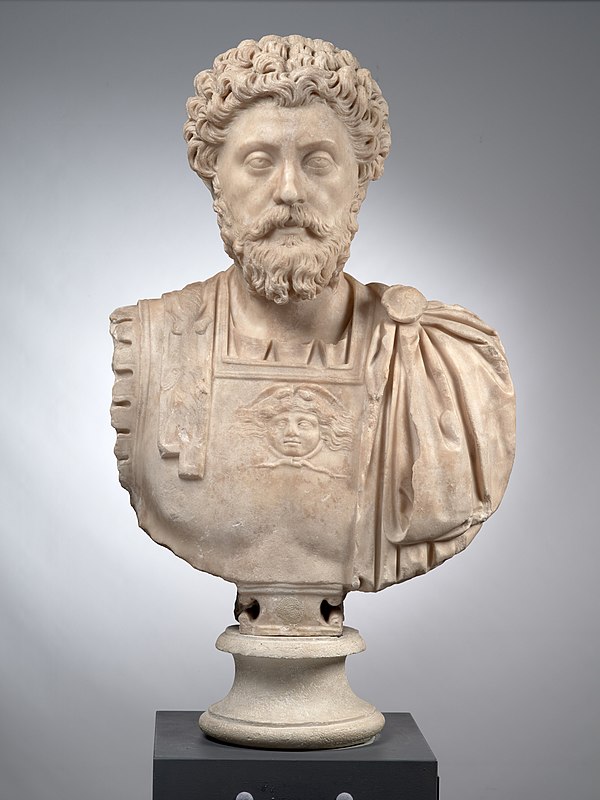
The Transience of Pain: A Stoic Perspective
Marcus Aurelius, in his profound reflection, asserts that "Pain is neither intolerable nor everlasting if you bear it in mind." This statement encapsulates a fundamental Stoic belief: that our experience of suffering is deeply intertwined with our perception of it. By acknowledging pain as a temporary state rather than a permanent condition, we can cultivate resilience and find peace amidst turmoil. This perspective is not merely philosophical; it is a practical guide for navigating the inevitable challenges of life.
In a world that often equates suffering with defeat, Aurelius invites us to reconsider our relationship with pain. By bearing it in mind, we are encouraged to maintain a conscious awareness of our suffering, allowing us to contextualize it within the broader tapestry of existence. This approach fosters a sense of agency, empowering us to respond to our circumstances with clarity and strength rather than despair. The stakes of this teaching are high, as it offers a pathway to emotional freedom and a deeper understanding of our human experience.
The image / the metaphor
At first glance, Aurelius's words evoke a vivid image of pain as a transient visitor rather than a permanent resident in our lives. The phrase "bear it in mind" suggests an active engagement with our suffering, urging us to hold it in our consciousness without allowing it to overwhelm us. The verbs chosen here—"bear" and "mind"—imply a sense of responsibility and mindfulness, encouraging us to confront our pain rather than flee from it. This imagery creates a felt sense of balance, where pain is acknowledged but not allowed to dominate our existence.
Diving deeper into the metaphor, we can see that Aurelius is not dismissing pain as insignificant; rather, he is inviting us to recognize its place in the human experience. By framing pain as something that can be borne, he suggests that we possess the strength to endure and transcend it. This perspective transforms suffering from a source of despair into an opportunity for growth and understanding. In this light, pain becomes a teacher, guiding us toward greater wisdom and resilience.
In the speaker's tradition
Marcus Aurelius's insights are firmly rooted in the Stoic tradition, which emphasizes the importance of rationality and the acceptance of life's inherent challenges. Central to Stoicism is the concept of *apatheia*, or the ability to maintain equanimity in the face of suffering. This aligns with the idea of *dharma* in Eastern philosophies, where one learns to accept the flow of life, including its hardships, as part of a greater cosmic order. Both traditions encourage a perspective that sees suffering as an integral aspect of the human journey, rather than an aberration to be avoided.
In his *Meditations*, Aurelius often reflects on the impermanence of life and the inevitability of pain. For instance, he writes about the fleeting nature of existence and the importance of focusing on what is within our control. This echoes the Buddhist concept of *sunyata*, or emptiness, which teaches that all phenomena, including suffering, are transient and devoid of inherent permanence. By situating pain within this broader philosophical context, Aurelius invites us to embrace our suffering as a natural part of life’s ebb and flow, fostering a deeper understanding of our place in the universe.
Living the teaching
Consider a modern scenario where this teaching can be applied: a person facing a significant career setback. The initial reaction may be one of despair, feeling as though the pain of disappointment is insurmountable. However, by bearing this pain in mind, the individual can begin to reframe their experience. Instead of viewing the setback as a definitive failure, they can recognize it as a temporary state that offers valuable lessons and opportunities for growth. This shift in perspective allows them to navigate their emotions with greater clarity and resilience, ultimately leading to new paths and possibilities.
Another application of Aurelius's teaching can be found in personal relationships, particularly during conflicts. When faced with emotional pain stemming from misunderstandings or disagreements, it is easy to become consumed by negative feelings. However, by consciously bearing this pain in mind, individuals can cultivate empathy and understanding. This practice encourages them to see the situation from multiple perspectives, fostering compassion rather than resentment. In this way, the teaching becomes a tool for healing and connection, transforming moments of suffering into opportunities for deeper relational bonds.
A reflection
As we contemplate Marcus Aurelius's profound assertion, we are invited to reflect on our own experiences with pain. How often do we allow our suffering to define us, rather than acknowledging it as a temporary visitor in our lives? In what ways can we bear our pain in mind, transforming it into a source of strength and insight? This contemplation encourages us to embrace the full spectrum of our human experience, recognizing that even in our darkest moments, there lies the potential for growth and understanding.




Join the BrightStar Community
Stay connected with daily inspiration, event announcements, and community wisdom