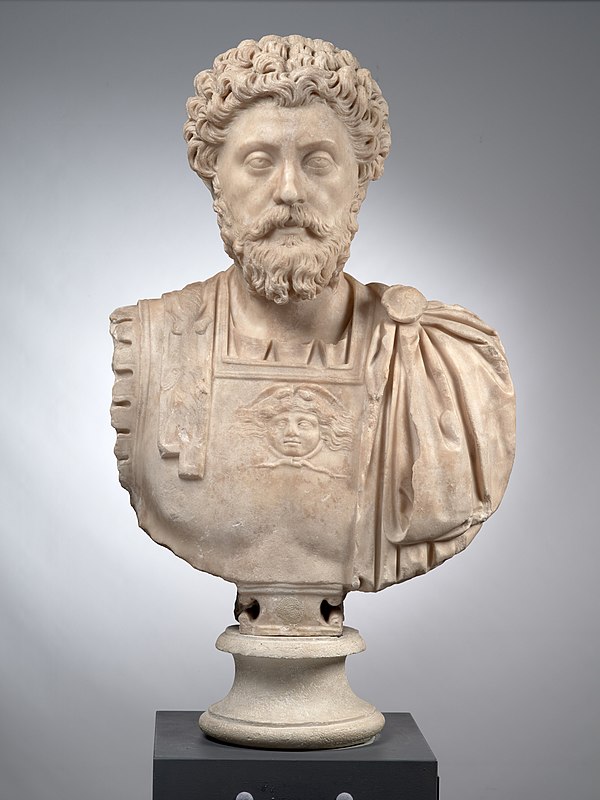
Becoming the Person You Aspire to Be
Marcus Aurelius invites us to consider the essence of our character in his profound statement: "Settle on the type of person you want to be and stick to it, whether alone or in company." This call to integrity and discipline is not merely a suggestion; it is a foundational principle for living a meaningful life. In a world rife with distractions and external pressures, the ability to define and adhere to one's values becomes paramount. The stakes are high: our sense of self, our relationships, and our contributions to society hinge on this commitment.
In a deeper sense, Aurelius's words resonate with the timeless struggle of self-definition amidst the chaos of existence. The challenge lies not only in identifying the person we wish to become but also in maintaining that identity consistently, regardless of our circumstances. This duality of solitude and companionship highlights the importance of inner strength and authenticity. To embody our chosen character is to engage in a lifelong practice of self-awareness and resilience, a journey that requires both introspection and action.
The image / the metaphor
At first glance, the imagery in Aurelius's quote evokes a sense of steadfastness and clarity. The verbs "settle" and "stick" suggest a deliberate choice and a commitment to that choice, akin to planting roots in fertile soil. This metaphor of rooting oneself in a particular identity implies that, like a tree, we must weather storms and seasons of change while remaining true to our core. The notion of being "alone or in company" further emphasizes the importance of integrity; it is easy to uphold our values when surrounded by like-minded individuals, but true character is revealed when we stand firm in solitude.
Diving deeper into this metaphor, we can see that the act of settling on a type of person is not a one-time decision but an ongoing process. It requires continuous reflection and adaptation as we encounter new experiences and challenges. The image of a tree also suggests growth; just as a tree expands its branches and deepens its roots, we too must evolve while remaining anchored in our values. This dynamic interplay between stability and growth is essential for cultivating a life of purpose and authenticity.
In the speaker's tradition
Marcus Aurelius stands as a central figure in Stoicism, a philosophical tradition that emphasizes virtue, reason, and self-control. His teachings resonate with the concept of "dharma" in Eastern philosophies, which refers to one's duty or the ethical path one must follow. Just as dharma calls individuals to align their actions with their true nature, Aurelius urges us to define and embody our character consistently. This alignment fosters a sense of inner peace and resilience, allowing us to navigate life's challenges with grace.
In his work "Meditations," Aurelius often reflects on the importance of virtue and the cultivation of a good character. He writes about the necessity of self-examination and the pursuit of wisdom, echoing the Stoic belief that our thoughts shape our reality. By committing to the person we aspire to be, we engage in a practice akin to "kenosis," the act of emptying oneself of ego and pretense to embrace a more authentic existence. This alignment with our true selves is not merely a philosophical exercise; it is a transformative journey that requires dedication and courage.
Living the teaching
Consider a modern scenario where this teaching can be applied: imagine a workplace filled with varying opinions and competitive dynamics. In such an environment, it is easy to lose sight of one's values in the pursuit of success or acceptance. However, by settling on the type of person you want to be—perhaps one who embodies integrity and collaboration—you can navigate these challenges with clarity. This commitment allows you to engage with colleagues authentically, fostering a culture of respect and cooperation rather than one driven by fear or ambition alone.
Another application of this teaching can be found in personal relationships. Picture a moment of conflict with a loved one, where emotions run high and misunderstandings abound. In such instances, the decision to "stick" to your chosen character—perhaps one of patience and empathy—can transform the interaction. By grounding yourself in your values, you create space for understanding and healing, reinforcing the bonds of connection rather than allowing discord to take root. This practice of embodying your chosen identity becomes a powerful tool for nurturing relationships and fostering a sense of community.
A reflection
As we contemplate Marcus Aurelius's wisdom, we are invited to reflect on our own lives: What type of person do I aspire to be, and how can I remain true to that vision in both solitude and company? This question serves as a guiding light, illuminating the path toward authenticity and integrity. In a world that often encourages conformity and distraction, the commitment to our chosen identity becomes a radical act of self-affirmation and purpose.




Join the BrightStar Community
Stay connected with daily inspiration, event announcements, and community wisdom