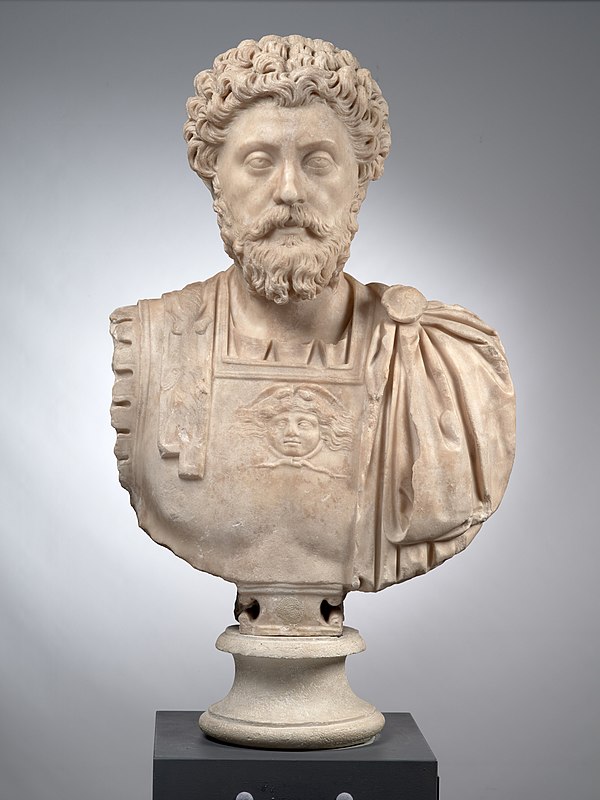
The Echo of Existence: Embracing Impermanence
In the profound words of Marcus Aurelius, "Soon you will have forgotten the world, and soon the world will have forgotten you." This statement encapsulates the fleeting nature of human existence, urging us to confront the reality of our impermanence. It invites us to reflect on the transient nature of life and the inevitable fading of our individual significance in the grand tapestry of time. Understanding this truth can lead to a deeper sense of humility and a more authentic engagement with the present moment.
As we delve into this quote, we are reminded that our lives are but brief flashes in the vast continuum of history. The world, with its relentless march forward, often overlooks the individual stories that once seemed so vital. This perspective can be both liberating and daunting; it encourages us to live fully and authentically while simultaneously recognizing that our legacies may not endure as we hope. In this dance of existence, we find an invitation to cultivate a deeper appreciation for the now, to embrace the beauty of our temporary presence.
The image / the metaphor
At first glance, the imagery in Aurelius's quote evokes a sense of dissolution, as if the very fabric of our lives is woven from threads that are destined to unravel. The verbs "forgotten" and "have forgotten" suggest a mutual disengagement between the individual and the world, highlighting the ephemeral nature of both memory and existence. This stark realization can be unsettling, yet it serves as a poignant reminder of the impermanence that defines our human experience.
Delving deeper into the metaphor, we can see that Aurelius is not merely lamenting the inevitability of being forgotten; he is inviting us to reflect on what it means to live meaningfully in the face of such transience. The notion of being forgotten can be reframed as an opportunity to focus on the quality of our actions and relationships rather than the pursuit of lasting fame or recognition. In this light, the quote becomes a call to cultivate a life of virtue, where our contributions to the world are measured not by their permanence but by their authenticity and impact in the present moment.
In the speaker's tradition
Marcus Aurelius stands as a pillar of Stoic philosophy, which emphasizes the importance of accepting the natural order of the universe, including the inevitability of death and the impermanence of life. This perspective resonates with concepts found in other spiritual traditions, such as the Buddhist notion of *anicca*, or impermanence, which teaches that all things are in a constant state of flux. Just as the Stoics encourage us to focus on what is within our control, so too do other traditions remind us to embrace the transient nature of existence as a pathway to deeper understanding and peace.
In his *Meditations*, Aurelius often reflects on the importance of living in accordance with nature and accepting the limitations of our time on earth. This aligns with the Buddhist practice of *sunyata*, or emptiness, which invites practitioners to recognize the lack of inherent permanence in all phenomena. By acknowledging the fleeting nature of life, both Stoicism and Buddhism guide us toward a more profound appreciation of the present, urging us to cultivate mindfulness and compassion in our daily interactions.
Living the teaching
Consider a modern scenario where this teaching resonates: a professional grappling with the pressures of success and recognition. In a world that often equates worth with achievement, the reminder of our eventual forgetfulness can serve as a grounding force. Instead of striving for accolades that may fade with time, one might choose to focus on the quality of their work and the relationships they build along the way. This shift in perspective can lead to a more fulfilling and authentic professional life, one that prioritizes integrity over notoriety.
In the realm of personal relationships, Aurelius's insight can guide us through difficult moments. Imagine a conflict with a loved one, where the desire to be right overshadows the importance of connection. By reflecting on the impermanence of both our lives and our grievances, we may find the humility to let go of our ego and seek reconciliation. This practice of embracing impermanence can foster deeper bonds, reminding us that our time together is limited and that nurturing love and understanding is far more valuable than holding onto pride.
A reflection
As we contemplate the wisdom of Marcus Aurelius, we are left with a profound question: How can the awareness of our impermanence inspire us to live more fully and authentically in each moment? This inquiry invites us to explore our motivations, our relationships, and our contributions to the world. In embracing the transient nature of life, we may discover a deeper sense of purpose and connection, allowing us to navigate our days with greater clarity and intention.




Join the BrightStar Community
Stay connected with daily inspiration, event announcements, and community wisdom