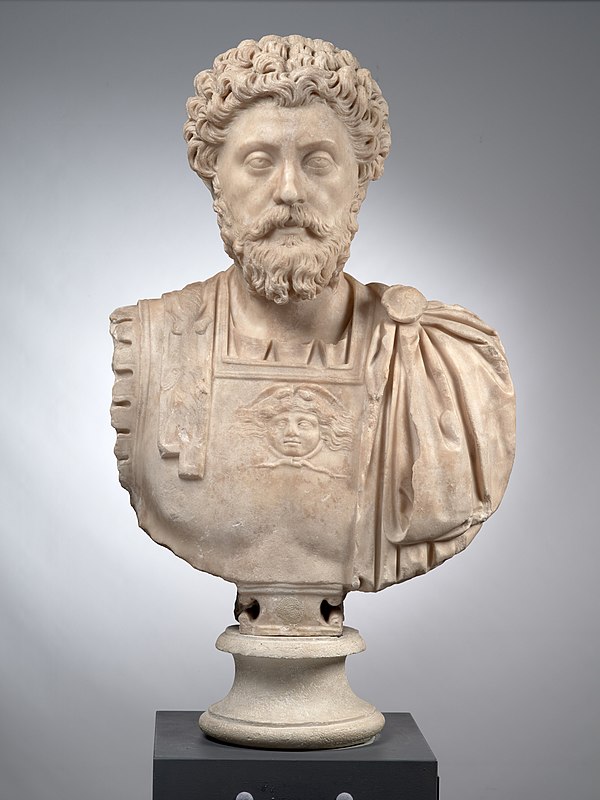
The Struggle of Existence: Wrestling with Life's Challenges
Marcus Aurelius, the Stoic philosopher and Roman Emperor, offers a profound insight when he states, "The art of living is more like wrestling than dancing." This quote encapsulates the essence of human existence, suggesting that life is not merely a graceful performance but a rigorous contest requiring strength, resilience, and discipline. In a world that often glorifies ease and elegance, Aurelius invites us to reconsider our approach to life, emphasizing the importance of effort and the willingness to confront challenges head-on.
In this reflection, we delve deeper into the implications of Aurelius's metaphor. By likening life to wrestling, he underscores the reality that living is fraught with struggles and conflicts that demand our active engagement. Unlike the fluidity of dance, which may evoke a sense of beauty and harmony, wrestling is a raw and gritty endeavor, characterized by effort and determination. This perspective challenges us to embrace the difficulties inherent in our journeys, recognizing that growth often emerges from the very struggles we face.
The image / the metaphor
The imagery of wrestling conjures a vivid picture of two opponents locked in a contest of strength and strategy. It evokes a sense of physicality and intensity, where each movement is deliberate and purposeful. The verbs chosen—wrestling rather than dancing—imply a struggle that requires not only physical prowess but also mental fortitude. In wrestling, one must be prepared to grapple with the unexpected, to adapt to the opponent's moves, and to persist even when faced with adversity. This metaphor captures the essence of life as a dynamic interplay of challenges that require our active participation.
Diving deeper into this metaphor, we can see that wrestling is not merely about brute strength; it is also about technique, discipline, and the ability to remain grounded in the face of adversity. The wrestler must cultivate a deep awareness of their own body and mind, learning to respond to the ebb and flow of the contest. Similarly, in life, we are called to develop resilience and adaptability, honing our skills to navigate the complexities of our experiences. This understanding transforms our perception of struggle from a burden to an opportunity for growth, inviting us to engage fully with the challenges we encounter.
In the speaker's tradition
Marcus Aurelius's insights are deeply rooted in the Stoic tradition, which emphasizes the cultivation of virtue, self-control, and rationality in the face of life's inevitable hardships. Central to Stoicism is the concept of 'dharma,' or the natural order of the universe, which encourages individuals to align their actions with their true nature. This alignment often requires grappling with difficult circumstances, much like a wrestler must confront their opponent. The Stoic practice of 'kenosis,' or self-emptying, further complements this idea, as it invites us to relinquish our attachments and expectations, allowing us to engage more authentically with life's challenges.
In his seminal work, "Meditations," Aurelius reflects on the importance of accepting the things we cannot change while focusing on our responses to those circumstances. This aligns with the Stoic principle of 'amor fati,' or love of fate, which encourages us to embrace our experiences, both good and bad, as essential components of our journey. By recognizing that struggle is an inherent part of life, we can cultivate a deeper sense of acceptance and resilience, ultimately leading us to a more profound understanding of ourselves and our place in the world.
Living the teaching
Consider a modern scenario where this teaching resonates: the experience of navigating a challenging work environment. Imagine a situation where you are faced with a demanding project, tight deadlines, and conflicting personalities among team members. In this context, Aurelius's metaphor of wrestling becomes particularly relevant. Instead of viewing the situation as a mere obstacle, you can approach it as an opportunity to engage actively with the challenges at hand. By embracing the struggle, you cultivate resilience, learning to adapt your strategies and communicate effectively, ultimately leading to personal and professional growth.
Another application of this teaching can be found in personal relationships, particularly during moments of conflict. When disagreements arise, it is easy to retreat into defensiveness or avoidance, akin to a dancer who shies away from the spotlight. However, embracing the wrestling metaphor encourages us to confront these challenges directly, engaging in open dialogue and seeking to understand the other person's perspective. This approach not only strengthens the relationship but also fosters personal growth, as we learn to navigate the complexities of human connection with grace and courage.
A reflection
As we contemplate Marcus Aurelius's assertion that "the art of living is more like wrestling than dancing," we are invited to reflect on our own lives and the struggles we face. What challenges are you currently grappling with, and how might you approach them with the mindset of a wrestler? Consider the ways in which embracing the struggle can lead to growth and transformation, allowing you to engage more fully with the art of living.




Join the BrightStar Community
Stay connected with daily inspiration, event announcements, and community wisdom