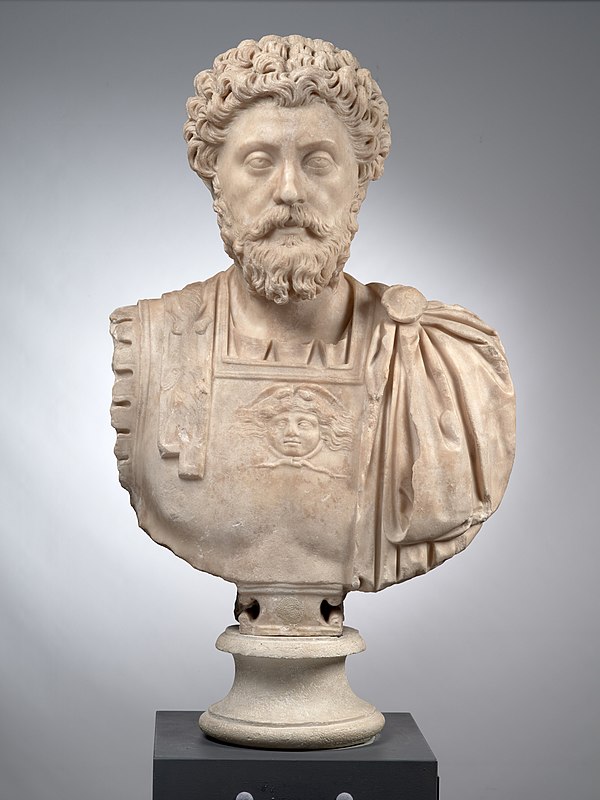
Embracing Equanimity: The Wisdom of Marcus Aurelius
In the profound words of Marcus Aurelius, "The first rule is to keep an untroubled spirit. The second is to look things in the face and know them for what they are." This dual directive invites us to cultivate a serene inner life while simultaneously confronting the realities of our existence. In a world rife with chaos and uncertainty, the stakes of maintaining equanimity and clarity are high; they are essential for navigating the complexities of our daily lives with grace and wisdom.
To keep an untroubled spirit is to cultivate a state of inner peace that remains undisturbed by external circumstances. It is a call to embrace a mindset that allows us to face challenges without being overwhelmed by them. The second part of Aurelius's teaching urges us to engage with reality directly, to see things as they truly are, rather than through the lens of our fears or desires. Together, these principles form a foundation for a life lived with intention, clarity, and resilience.
The image / the metaphor
At first glance, the imagery in Aurelius's quote evokes a sense of calmness juxtaposed with the necessity of confrontation. The phrase "keep an untroubled spirit" conjures an image of still waters, a tranquil mind that remains undisturbed by the storms of life. The verbs "keep" and "look" suggest an active engagement; maintaining a peaceful spirit is not a passive state but a conscious choice, while "looking things in the face" implies a courageous confrontation with truth, no matter how uncomfortable it may be.
Diving deeper into the metaphor, we can see that the untroubled spirit represents a sanctuary within ourselves, a refuge that we can cultivate through practice and mindfulness. The act of looking things in the face symbolizes the importance of honesty and authenticity in our interactions with the world. This duality of inner peace and outer engagement reflects the Stoic ideal of living in accordance with nature, where acceptance and understanding are paramount. It is a reminder that true wisdom lies not in avoidance but in embracing reality with an open heart.
In the speaker's tradition
Marcus Aurelius's teachings are deeply rooted in Stoicism, a philosophical tradition that emphasizes rationality, self-control, and virtue as pathways to a good life. Central to Stoicism is the concept of equanimity, which resonates with the idea of maintaining an untroubled spirit. This aligns with the Buddhist notion of *sunyata*, or emptiness, which encourages a detachment from the transient nature of emotions and experiences, allowing for a more profound understanding of existence.
In his *Meditations*, Aurelius often reflects on the importance of perspective and the impermanence of life. For instance, he writes about the inevitability of change and the futility of clinging to desires. This echoes the teachings found in the *Dhammapada*, where the Buddha speaks of the importance of seeing things as they truly are to attain enlightenment. Both traditions advocate for a clear-eyed view of reality as essential for cultivating wisdom and inner peace.
Living the teaching
Consider a modern scenario where this teaching can be applied: imagine facing a challenging work situation, perhaps a project that is not going as planned. The initial reaction might be one of frustration or anxiety, but by embracing Aurelius's wisdom, one can choose to maintain an untroubled spirit. This means taking a step back, breathing deeply, and assessing the situation with clarity. Instead of succumbing to panic, one can approach the problem with a calm mind, seeking solutions rather than dwelling on setbacks.
In the realm of personal relationships, this teaching can also be transformative. Picture a moment of conflict with a loved one, where emotions run high and misunderstandings abound. By keeping an untroubled spirit, one can engage in open dialogue, looking at the issues at hand without the cloud of anger or resentment. This practice of honest confrontation, paired with emotional steadiness, fosters deeper connections and facilitates resolution, allowing both parties to see each other and the situation more clearly.
A reflection
As we contemplate Marcus Aurelius's profound insights, we are invited to reflect on our own lives: How often do we allow external circumstances to disturb our inner peace? In what ways can we cultivate a more untroubled spirit while facing the realities of our existence? These questions serve as a gentle reminder of the power of equanimity and clarity in our journey toward wisdom and fulfillment.




Join the BrightStar Community
Stay connected with daily inspiration, event announcements, and community wisdom