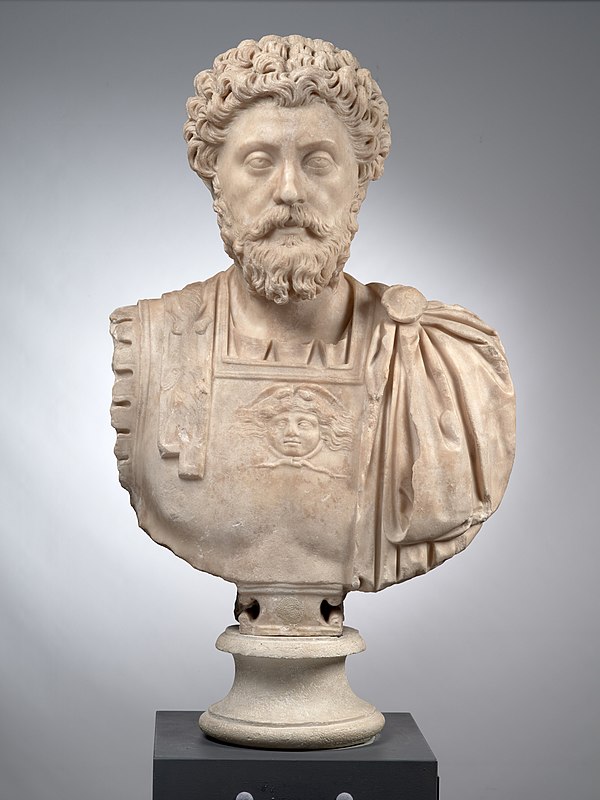
The Flow of Existence: Embracing the Current of Time
In the words of Marcus Aurelius, "Time is a sort of river of passing events, and strong is its current." This evocative metaphor invites us to reflect on the relentless flow of time and the transient nature of our experiences. It underscores the importance of recognizing that life is a series of moments, each slipping away like water through our fingers. Understanding this concept is vital, as it encourages us to engage fully with the present, to appreciate the fleeting beauty of existence, and to cultivate a sense of urgency in our actions.
As we delve deeper into Aurelius's insight, we begin to grasp the implications of viewing time as a river. This perspective compels us to confront the impermanence of all things, urging us to let go of attachments and to embrace change as an inherent aspect of life. The current of this river is strong, suggesting that time does not wait for us; it flows ceaselessly, carrying us along with it. In acknowledging this truth, we are invited to live with intention and mindfulness, recognizing that each moment is a precious opportunity that will never return.
The image / the metaphor
At its core, Aurelius's metaphor of time as a river evokes a vivid image of movement and fluidity. The river symbolizes the passage of time, with its waters representing the events and experiences that shape our lives. The choice of the word "strong" to describe the current emphasizes the forcefulness of time's progression, suggesting that it is not something we can easily control or resist. Instead, we are swept along in its flow, often unaware of how quickly moments can pass us by.
Diving deeper into this metaphor, we can see that the river is not merely a passive entity; it is dynamic and ever-changing. Just as a river carves its path through the landscape, time shapes our lives, molding our identities and experiences. This understanding invites us to reflect on the nature of our existence: Are we merely drifting along, or are we actively engaging with the current? The river's flow encourages us to navigate our lives with purpose, to make conscious choices that align with our values and aspirations.
In the speaker's tradition
Marcus Aurelius, a prominent Stoic philosopher, offers profound insights into the nature of time and existence within the framework of Stoicism. This ancient philosophy emphasizes the importance of accepting the impermanence of life and recognizing that we cannot control external events, only our responses to them. Concepts such as *amor fati*—the love of fate—and *ataraxia*—a state of serene calm—resonate deeply with Aurelius's reflections on time. By embracing the flow of time, we cultivate resilience and equanimity in the face of life's inevitable changes.
In his *Meditations*, Aurelius often draws upon the idea of the interconnectedness of all things, akin to the Buddhist concept of *sunyata*, or emptiness. Just as the river flows through various landscapes, our lives are interconnected with the experiences of others, reminding us that we are part of a larger whole. This perspective encourages us to approach life with humility and gratitude, recognizing that each moment is a gift, shaped by the currents of time and the relationships we forge along the way.
Living the teaching
Consider a modern scenario where the teaching of Aurelius resonates profoundly: the experience of a loved one moving away. In this situation, the strong current of time becomes palpable as we confront the reality of change and separation. The initial impulse may be to resist this shift, to cling to the past and the moments shared. However, by embracing the metaphor of time as a river, we can learn to appreciate the beauty of those memories while also recognizing that life continues to flow. This awareness allows us to cherish the present and to cultivate new connections, even amidst loss.
Another application of this teaching can be found in the context of daily practice, such as mindfulness meditation. In moments of stillness, we can observe the thoughts and feelings that arise, much like watching the river's surface ripple with the passage of time. By acknowledging the transient nature of these experiences, we cultivate a sense of detachment and acceptance. This practice encourages us to live more fully in the present, appreciating each moment as it comes, rather than becoming ensnared in regrets about the past or anxieties about the future.
A reflection
As we contemplate Marcus Aurelius's wisdom, we are left with a profound question to ponder: How can we more fully embrace the current of time in our own lives? This inquiry invites us to reflect on our relationship with the present moment and to consider how we might cultivate a deeper awareness of the impermanence that surrounds us. By engaging with this question, we open ourselves to the possibility of living with greater intention, gratitude, and acceptance, allowing the river of time to guide us toward a more meaningful existence.


Join the BrightStar Community
Stay connected with daily inspiration, event announcements, and community wisdom