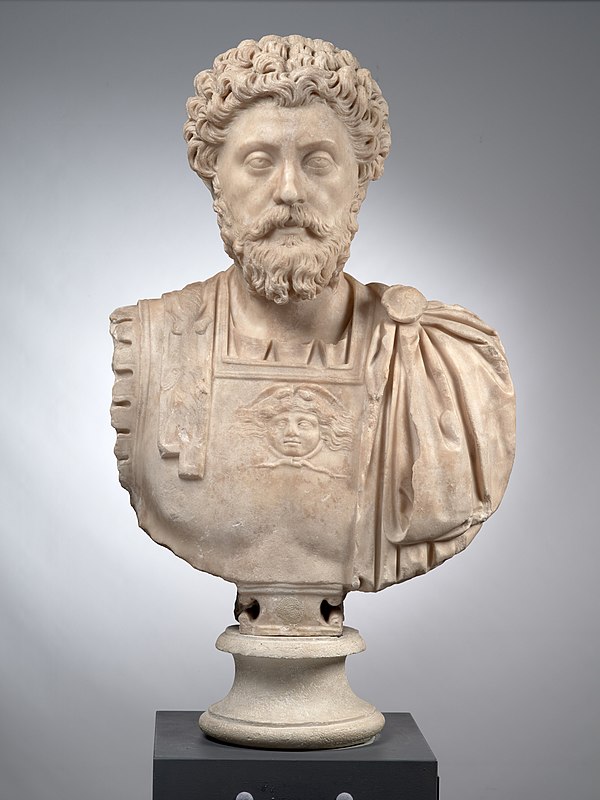
The Harmony of Our Shared Existence
In his profound reflection, Marcus Aurelius asserts that we are inherently designed for cooperation, likening our interconnectedness to the seamless functioning of our body parts—feet, hands, eyelids, and teeth. This metaphor serves as a reminder of our shared humanity and the necessity of working together for the greater good. In a world often marked by division and isolation, Aurelius's words invite us to reconsider our roles within the larger tapestry of life, emphasizing that our individual well-being is inextricably linked to the well-being of others.
As we delve deeper into this quote, we uncover a rich tapestry of meaning that extends beyond mere cooperation. Aurelius's imagery evokes a sense of kinship, suggesting that just as our body parts rely on one another for functionality, so too do we depend on one another for emotional, social, and spiritual sustenance. This interconnectedness is not merely a philosophical notion but a practical reality that shapes our daily interactions and responsibilities. By embracing this understanding, we can cultivate a more compassionate and collaborative society.
The image / the metaphor
At first glance, Aurelius's metaphor of body parts cooperating is striking in its simplicity. Each element—feet, hands, eyelids, and teeth—serves a distinct purpose, yet they function best when working in harmony. The choice of these particular images evokes a visceral understanding of cooperation; we can easily feel the discomfort of a foot that cannot walk or hands that cannot grasp. This imagery serves to illustrate the necessity of collaboration, suggesting that just as our body parts are designed to work together, so too are we as human beings.
Diving deeper into this metaphor, we recognize that Aurelius is not merely advocating for cooperation in a superficial sense. Instead, he is highlighting a profound truth about our existence: that our individual strengths and weaknesses are meant to complement one another. The feet carry us forward, the hands enable us to create, the eyelids protect our vision, and the teeth allow us to nourish ourselves. In this way, Aurelius invites us to see our differences not as barriers but as essential components of a greater whole, each contributing to the richness of our collective experience.
In the speaker's tradition
Marcus Aurelius, a prominent figure in Stoicism, emphasizes the importance of community and mutual support within his philosophical framework. Stoicism teaches that individual virtue is intimately connected to the well-being of others, echoing concepts found in various spiritual traditions. For instance, the idea of dharma in Hinduism speaks to the interconnected roles individuals play within society, while the Buddhist notion of sunyata, or emptiness, suggests that our identities are shaped by our relationships with others. Aurelius's assertion resonates with these ideas, reinforcing the notion that our purpose is intertwined with the service of others.
In his work "Meditations," Aurelius often reflects on the importance of living in accordance with nature, which includes recognizing our role within the larger community. He writes, "What is not good for the hive is not good for the bee," illustrating that our actions should align with the collective good. This perspective encourages us to transcend individualistic pursuits and embrace a life of service, reminding us that our fulfillment is found in the well-being of those around us.
Living the teaching
Consider a modern scenario where this teaching can be applied: a workplace environment where collaboration is essential for success. Imagine a team tasked with a challenging project. Each member brings unique skills and perspectives, yet the project falters when individuals prioritize personal recognition over collective achievement. By embracing Aurelius's wisdom, team members can shift their focus from individual accolades to the shared goal, fostering an atmosphere of cooperation that ultimately leads to greater success and satisfaction for all involved.
Another poignant application of this teaching can be found in personal relationships. Picture a moment of conflict between friends, where misunderstandings arise and emotions run high. In such instances, Aurelius's reminder of our interconnectedness can serve as a guiding principle. By recognizing that the health of the relationship depends on mutual understanding and support, both individuals can approach the situation with empathy and a willingness to cooperate, ultimately strengthening their bond and fostering a deeper sense of kinship.
A reflection
As we contemplate Aurelius's assertion that we are made for cooperation, we are invited to reflect on our own lives and relationships. How can we cultivate a greater sense of kinship and service in our daily interactions? In what ways might we contribute to the well-being of others, recognizing that our own fulfillment is intricately linked to the collective harmony of our communities? These contemplative questions encourage us to embody the spirit of cooperation that Aurelius so eloquently champions, fostering a more compassionate and interconnected world.




Join the BrightStar Community
Stay connected with daily inspiration, event announcements, and community wisdom