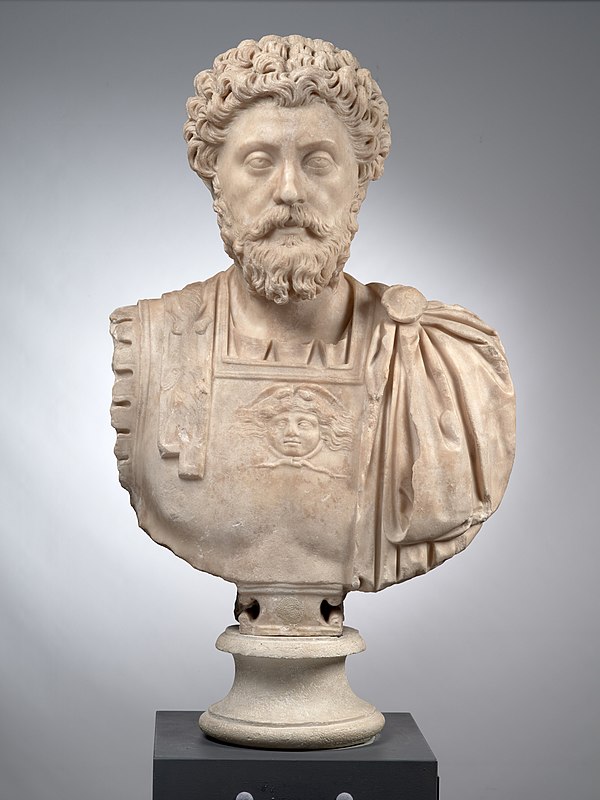
The Timeless Dance of Destiny and Acceptance
Marcus Aurelius's assertion that "Whatever happens to you, has been waiting to happen since the beginning of time" invites us into a profound contemplation of fate and acceptance. This statement suggests that the events of our lives are not random occurrences but rather threads woven into the fabric of existence long before we arrived. Understanding this perspective can help us navigate the complexities of our experiences with a sense of peace and purpose, recognizing that each moment is part of a larger narrative that transcends our individual lives.
In a world often characterized by chaos and unpredictability, Aurelius's words serve as a reminder that acceptance is a powerful tool for resilience. By acknowledging that our experiences are preordained, we can cultivate a mindset that embraces rather than resists the unfolding of life. This acceptance does not imply passivity; rather, it encourages an active engagement with our circumstances, allowing us to respond with wisdom and grace. The Stoic philosophy teaches us that while we cannot control external events, we can control our reactions to them, thus finding strength in the acceptance of our fate.
The image / the metaphor
The imagery in Aurelius's quote evokes a sense of inevitability, as if our lives are scripted in a cosmic play. The phrase "has been waiting to happen" suggests a patient unfolding, where each event is not merely a chance occurrence but a necessary part of a grand design. This notion can be both comforting and daunting; it implies that our struggles and triumphs are preordained, waiting for the right moment to manifest. The verbs chosen—"happens" and "waiting"—convey a dynamic interplay between action and anticipation, inviting us to reflect on the nature of time and existence.
Diving deeper into the metaphor, we can see that this perspective encourages us to view our lives as part of a larger tapestry. Each thread, representing our experiences, is interwoven with those of others, creating a complex and beautiful design. This interconnectedness highlights the Stoic belief in the unity of all things, suggesting that our individual journeys contribute to a collective human experience. By embracing this metaphor, we can cultivate a sense of belonging and purpose, recognizing that our lives are not isolated events but integral parts of a timeless narrative.
In the speaker's tradition
Marcus Aurelius's insights are deeply rooted in Stoic philosophy, which emphasizes the importance of accepting fate and understanding the nature of reality. This acceptance aligns with the concept of *amor fati*, or love of fate, which encourages individuals to embrace their circumstances, regardless of how challenging they may be. In this context, Aurelius's quote resonates with the idea of *dharma* in Eastern philosophies, where one’s path is seen as predetermined and essential for the unfolding of the universe. Both traditions invite us to find peace in acceptance, recognizing that our lives are part of a greater cosmic order.
In his *Meditations*, Aurelius often reflects on the transient nature of life and the importance of aligning oneself with the natural order of the universe. For instance, he writes about the inevitability of death and the importance of living in accordance with virtue. This echoes the sentiments found in other Stoic texts, such as Epictetus's *Enchiridion*, which emphasizes the distinction between what is within our control and what is not. By understanding that our experiences are part of a larger design, we can cultivate a sense of tranquility and purpose, even amidst life's uncertainties.
Living the teaching
Consider a modern scenario where this teaching can be applied: a job loss. In the immediate aftermath, feelings of despair and confusion may arise, leading one to question their worth and future. However, if we embrace Aurelius's perspective, we can view this event not as a random misfortune but as a pivotal moment that has been waiting to unfold. This shift in perception allows us to explore new opportunities, perhaps leading to a more fulfilling career path or personal growth that would not have been possible otherwise. By accepting the situation as part of our journey, we can navigate the transition with resilience and hope.
This teaching also finds relevance in interpersonal relationships. Imagine a friendship that has begun to fade; the natural inclination might be to resist this change, clinging to what once was. Yet, if we apply Aurelius's wisdom, we can recognize that the evolution of relationships is a natural part of life’s cycle. Accepting that this friendship has served its purpose allows us to honor the memories while also making space for new connections. In doing so, we cultivate a deeper understanding of love and acceptance, realizing that every relationship, like every experience, is part of our unique journey.
A reflection
As we contemplate Aurelius's profound statement, we might ask ourselves: What events in my life have I resisted, and how might I reframe them as integral parts of my journey? This question invites us to reflect on our experiences with a sense of curiosity rather than judgment, encouraging us to embrace the unfolding of our lives with grace. By recognizing that each moment has been waiting to happen, we can cultivate a deeper acceptance of our paths, finding peace in the knowledge that we are part of a timeless dance of destiny.




Join the BrightStar Community
Stay connected with daily inspiration, event announcements, and community wisdom