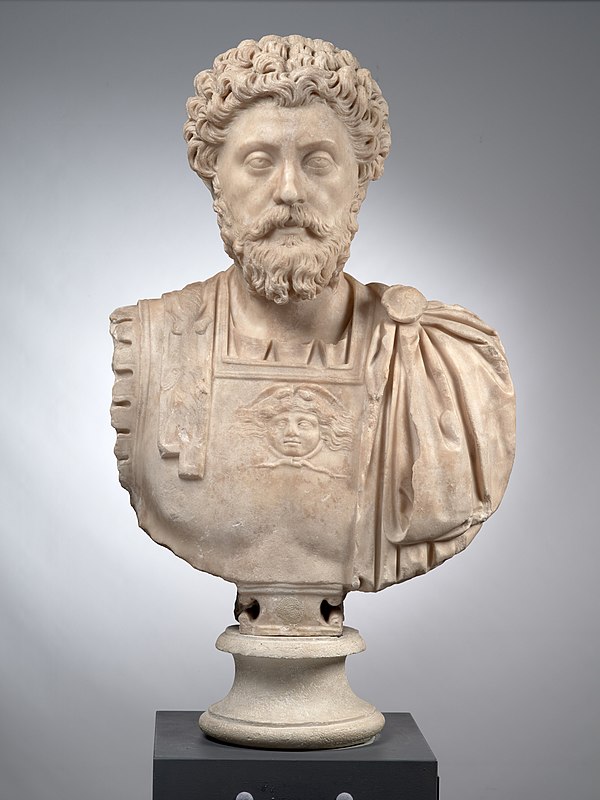
The Quiet Fulfillment of Service
In the words of Marcus Aurelius, "When you have done a service to another, what more do you want? Is it not enough that you have acted in conformity with thy nature?" This profound statement invites us to reflect on the essence of service and the intrinsic satisfaction that arises from acting in alignment with our true selves. In a world often driven by external validation and material success, Aurelius reminds us that the act of serving others can be its own reward, rooted in the very nature of our humanity.
To delve deeper, we must consider the implications of this quote on our understanding of virtue and purpose. Aurelius, a Stoic philosopher, emphasizes that true fulfillment comes not from accolades or recognition but from the simple act of doing good. This perspective challenges the modern inclination to seek external approval, urging us instead to find contentment in our actions and their alignment with our moral compass. In this light, service becomes a pathway to self-realization, a means of connecting with our deeper selves and the world around us.
The image / the metaphor
At first glance, Aurelius's words evoke a sense of simplicity, yet they are laden with rich imagery. The phrase "done a service to another" conjures images of selfless acts, where one person extends a hand to another, embodying compassion and empathy. The verbs "have done" and "want" suggest a journey of action and desire, highlighting the tension between our innate impulses and the societal pressures that often dictate our motivations. The felt sense of this quote is one of quiet fulfillment, where the act of service becomes a natural expression of our being.
Diving deeper into the metaphor, we can see that Aurelius is not merely advocating for acts of kindness; he is inviting us to embrace a way of life that is inherently virtuous. The notion of "acting in conformity with thy nature" suggests that our true essence is rooted in altruism and interconnectedness. This perspective aligns with the Stoic belief that we are part of a larger whole, and our actions should reflect this unity. In this way, service transcends mere obligation; it becomes a celebration of our shared humanity and a recognition of our role within the cosmic order.
In the speaker's tradition
Marcus Aurelius's teachings are deeply embedded in the Stoic tradition, which emphasizes virtue as the highest good. Central to Stoicism is the concept of living in accordance with nature, which resonates with ideas found in other spiritual traditions, such as dharma in Hinduism and Buddhism. Just as dharma calls individuals to fulfill their roles in harmony with the universe, Aurelius's notion of service reflects a similar understanding of our responsibilities to one another and the world. This interconnectedness is a cornerstone of Stoic thought, urging us to recognize that our actions have implications beyond ourselves.
In his seminal work, "Meditations," Aurelius often reflects on the importance of virtue and the cultivation of a good character. For instance, he writes about the necessity of acting justly and with integrity, reinforcing the idea that our actions should align with our moral values. This echoes the Stoic belief that true happiness arises from living virtuously, suggesting that when we serve others, we are not only fulfilling our nature but also nurturing our own well-being. The act of service, therefore, becomes a manifestation of our commitment to virtue, a practice that enriches both the giver and the receiver.
Living the teaching
Consider a modern scenario where this teaching can be applied: a colleague at work is struggling with a heavy workload. In this moment, the opportunity for service arises. By offering assistance, we not only alleviate their burden but also embody the essence of Aurelius's wisdom. The act of helping becomes a reflection of our nature, fostering a sense of community and connection. In this way, service is not merely an obligation; it transforms into a meaningful interaction that enriches both parties involved.
Another application of this teaching can be found in personal relationships. Imagine a moment of conflict with a loved one, where the urge to defend oneself is strong. Aurelius's perspective invites us to shift our focus from self-interest to understanding and compassion. By choosing to serve the relationship—listening actively, empathizing, and seeking resolution—we align with our true nature as beings capable of love and connection. This practice not only strengthens our bonds but also cultivates a deeper sense of fulfillment, reminding us that our actions are most meaningful when they are rooted in service to others.
A reflection
As we contemplate Aurelius's words, we are invited to ask ourselves: In what ways can I serve others today, and how does this service reflect my true nature? This question encourages us to explore the myriad opportunities for connection and kindness that exist in our daily lives. By embracing the spirit of service, we not only honor our own humanity but also contribute to the greater tapestry of life, finding fulfillment in the simple yet profound act of giving.




Join the BrightStar Community
Stay connected with daily inspiration, event announcements, and community wisdom