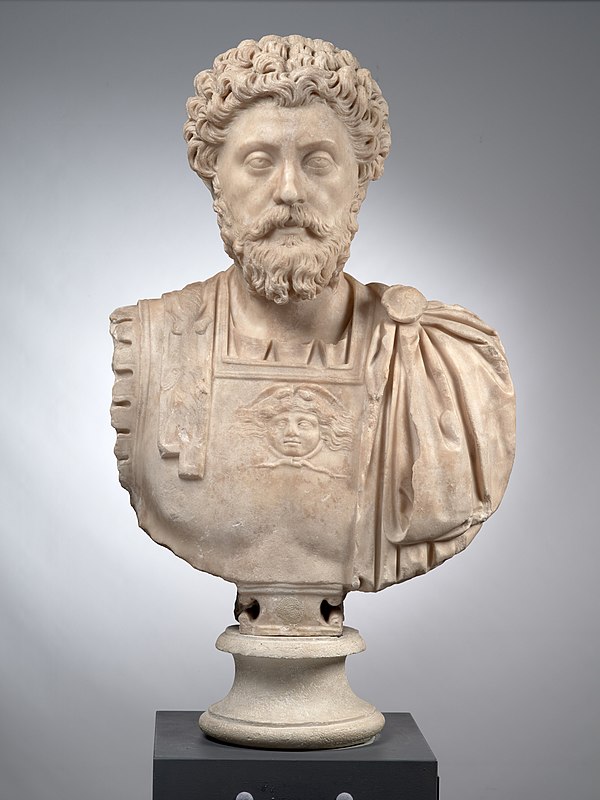
The Inner Fortress: Finding Strength in Self-Mastery
Marcus Aurelius, the Stoic philosopher and Roman Emperor, reminds us that true power lies not in our ability to control external circumstances, but in our mastery over our own minds. "You have power over your mind — not outside events. Realize this, and you will find strength." This profound insight invites us to explore the depths of our inner world, suggesting that our responses to life’s challenges define our experience far more than the events themselves. In a world often filled with chaos and unpredictability, this teaching holds the key to resilience and inner peace.
In a society that frequently emphasizes external achievements and validations, Aurelius’s words serve as a gentle yet firm reminder of the importance of self-discipline and mental fortitude. The notion that we can cultivate strength from within, regardless of external turmoil, is both liberating and empowering. By recognizing that our thoughts and perceptions shape our reality, we can begin to navigate life with a sense of agency and purpose, transforming obstacles into opportunities for growth.
The image / the metaphor
The imagery in Aurelius's quote evokes a sense of introspection and self-empowerment. The phrase "power over your mind" suggests a realm of control that is deeply personal and intimate. It implies a conscious engagement with our thoughts, emotions, and reactions, emphasizing that while we cannot dictate the events that unfold around us, we can choose how we respond to them. The verbs "realize" and "find" further highlight an active process of discovery, inviting us to embark on a journey of self-awareness and inner strength.
Diving deeper into the metaphor, we can envision the mind as a vast landscape, filled with both light and shadow. The external events represent the unpredictable weather patterns that sweep across this landscape, sometimes bringing storms of adversity. However, the true power lies in our ability to cultivate a resilient inner environment, where we can weather these storms with grace. This metaphor encourages us to shift our focus from the uncontrollable elements of life to the fertile ground of our own thoughts and beliefs, where we can plant seeds of strength and resilience.
In the speaker's tradition
Marcus Aurelius’s teachings are deeply rooted in Stoicism, a philosophy that emphasizes rationality, self-control, and the importance of virtue. Central to Stoic thought is the concept of "dharma," which refers to living in accordance with one’s true nature and purpose. This aligns with Aurelius’s assertion that our power lies in our minds, as understanding our true nature allows us to respond to life’s challenges with wisdom and equanimity. The Stoic practice of "kenosis," or self-emptying, further complements this idea, as it encourages individuals to release attachments to external outcomes and focus on internal clarity.
Aurelius’s reflections in "Meditations" resonate with other philosophical traditions as well. For instance, the Buddhist concept of "sunyata," or emptiness, echoes the Stoic understanding that our perceptions shape our reality. Just as the Stoics advocate for mastering one’s mind to find strength, Buddhism teaches that recognizing the impermanent nature of thoughts can lead to liberation from suffering. This interconnectedness of ideas across traditions highlights the universal quest for inner peace and self-mastery.
Living the teaching
Consider a modern scenario where this teaching can be applied: a workplace filled with stress and competition. An employee may find themselves overwhelmed by deadlines and the demands of their superiors. By embracing Aurelius’s wisdom, they can shift their focus from the external pressures to their internal responses. Instead of succumbing to anxiety, they can cultivate a mindset of resilience, reminding themselves that while they cannot control their workload, they can control their attitude and approach to the tasks at hand. This shift not only enhances their performance but also fosters a sense of empowerment amidst chaos.
Another application of this teaching can be found in personal relationships, particularly during conflicts. When faced with a disagreement, it is easy to become reactive, allowing emotions to dictate responses. However, by recognizing that we have power over our minds, we can choose to respond with patience and understanding rather than defensiveness. This conscious choice to engage thoughtfully can transform the dynamic of the relationship, fostering deeper connections and mutual respect. In daily practice, this might involve taking a moment to breathe and reflect before responding, allowing space for clarity and compassion.
A reflection
As we contemplate the essence of Marcus Aurelius’s quote, we are invited to explore the nature of our own minds. What thoughts or beliefs do we hold that may be limiting our sense of strength and agency? In recognizing that our true power lies within, we can begin to dismantle the barriers that prevent us from experiencing life fully. Reflecting on this, we might ask ourselves: How can I cultivate a greater sense of mastery over my thoughts and emotions in the face of external challenges?


Join the BrightStar Community
Stay connected with daily inspiration, event announcements, and community wisdom