The Illusion of Separation: Embracing Non-Duality
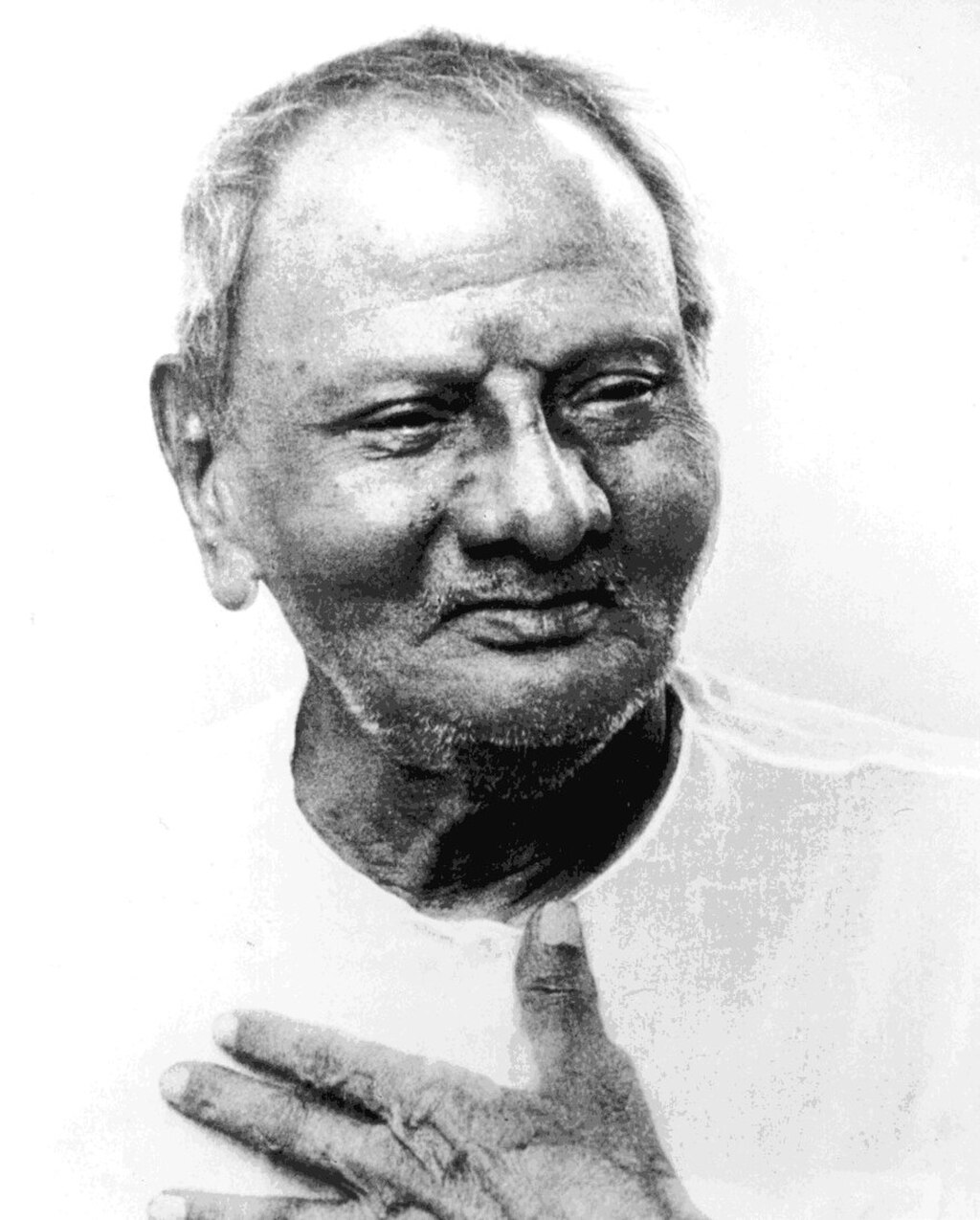
Nisargadatta Maharaj's assertion that "All separation is illusion" invites us to reconsider the very fabric of our existence. This profound statement challenges our deeply ingrained perceptions of individuality and separateness, urging us to explore the interconnectedness that underlies all life. In a world often defined by divisions—between self and other, mind and body, spirit and matter—this teaching beckons us to recognize the illusory nature of these separations and to awaken to a more unified reality.
At its core, this quote speaks to the heart of non-duality, a philosophical and spiritual perspective that emphasizes the oneness of all existence. The implications of this teaching are vast, touching upon our relationships, our understanding of self, and our approach to suffering. By recognizing that separation is an illusion, we can begin to dissolve the barriers that create conflict and isolation, fostering a deeper sense of compassion and connection with ourselves and others.
The image / the metaphor
The phrase "All separation is illusion" conjures a vivid image of a veil or a mirage that obscures our true nature. The word "illusion" suggests something that appears real but is fundamentally deceptive, much like a dream that dissipates upon waking. The use of "separation" evokes feelings of isolation and disconnection, highlighting the emotional weight that comes with perceiving ourselves as distinct entities. This choice of language invites us to feel the tension inherent in our separative experiences, urging us to look beyond the surface.
In the speaker's tradition
Nisargadatta Maharaj's teachings are rooted in the non-dual tradition of Advaita Vedanta, which emphasizes the essential unity of the self (Atman) and the ultimate reality (Brahman). This perspective aligns with concepts such as *sunyata* (emptiness) in Buddhism, which teaches that all phenomena are interdependent and devoid of inherent separation. The notion of *kenosis*, or self-emptying, also resonates here, as it invites us to relinquish our attachments to the ego and the false sense of self that perpetuates the illusion of separation.
In his seminal work, *I Am That*, Maharaj articulates the idea that the true self transcends the dualities of existence. He invites seekers to recognize that the essence of who we are is not confined to our individual identities but is part of a greater whole. This teaching echoes the wisdom found in the *Upanishads*, where the realization of the non-dual nature of reality is described as the ultimate goal of spiritual practice, leading to liberation from the cycle of suffering and ignorance.
Living the teaching
Consider a modern scenario where the illusion of separation manifests in the workplace. Imagine a team project where individuals are focused solely on their own contributions, leading to competition rather than collaboration. This mindset fosters a sense of isolation, as team members view each other as rivals rather than allies. By embracing the teaching that all separation is illusion, individuals can shift their perspective, recognizing that their success is intertwined with the success of their colleagues. This awareness can transform the dynamics of the team, fostering cooperation and a shared sense of purpose.
In a more personal context, think about a relationship strained by misunderstandings and conflicts. Each partner may feel isolated in their grievances, perceiving the other as an adversary rather than a companion on a shared journey. By applying the insight that separation is an illusion, both individuals can begin to empathize with each other's experiences, recognizing that their feelings are rooted in a shared humanity. This shift in perception can pave the way for deeper connection, healing, and mutual support, illustrating the profound impact of this teaching on our daily lives.
A reflection
As we contemplate the depth of Nisargadatta Maharaj's statement, we are invited to explore the nature of our own separations. What beliefs or narratives do we hold that perpetuate the illusion of separation in our lives? In what ways can we begin to dissolve these barriers and embrace the interconnectedness that lies at the heart of our existence? Reflecting on these questions can guide us toward a more compassionate and unified way of being, inviting us to experience the profound truth of our shared reality.



Join the BrightStar Community
Stay connected with daily inspiration, event announcements, and community wisdom