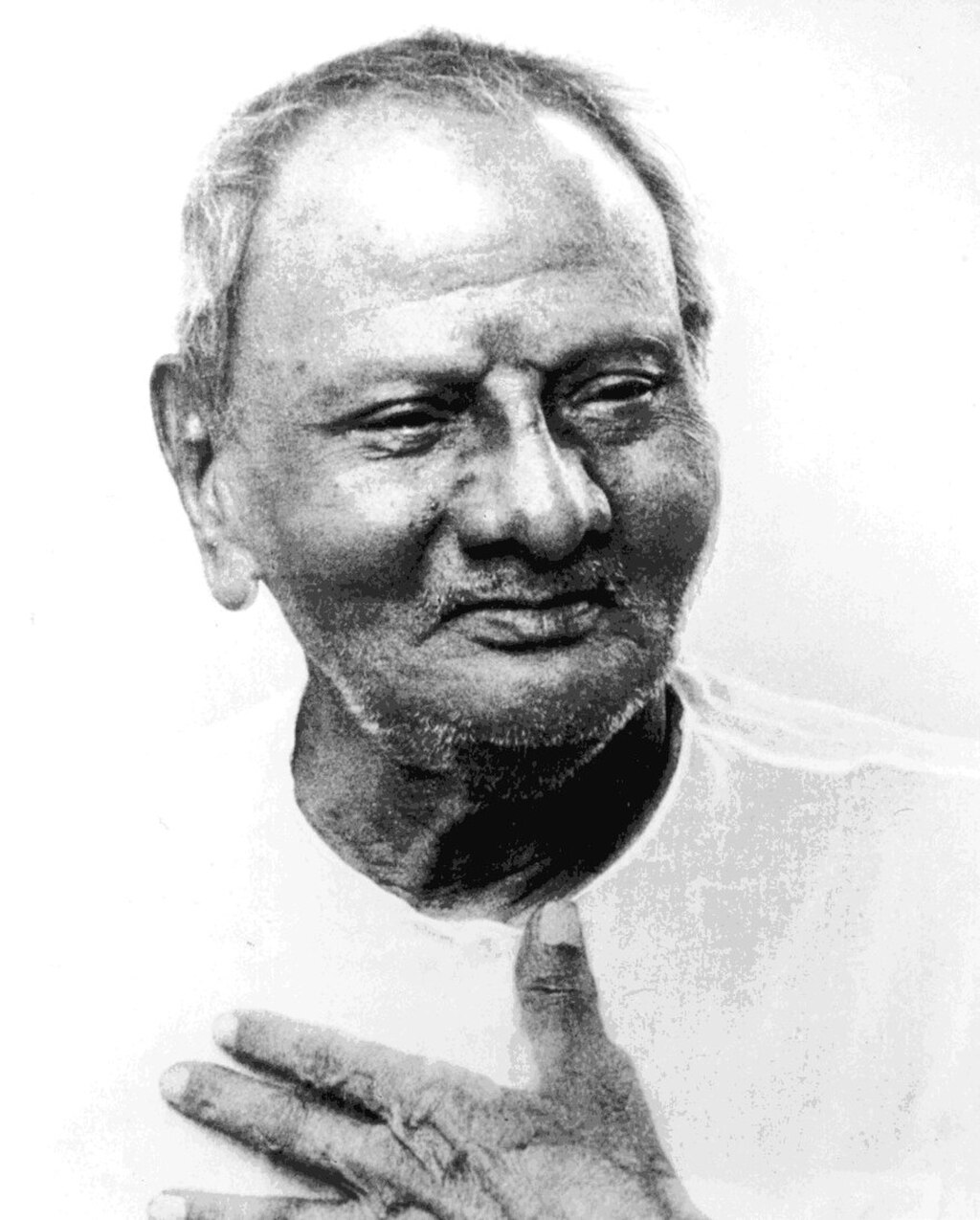
The Independence of Awareness: A Journey Beyond the Mind
Nisargadatta Maharaj's assertion that "Awareness is independent. The mind is dependent" invites us to explore the profound distinction between our innate consciousness and the conditioned thoughts that often dominate our experience. This quote serves as a reminder that while our minds are shaped by external influences and internal narratives, our true essence—awareness—remains untouched and autonomous. Understanding this dichotomy is crucial for anyone seeking deeper self-awareness and liberation from the confines of habitual thinking.
In a world where we often conflate our thoughts with our identity, Maharaj's words challenge us to reconsider the nature of our existence. The mind, with its incessant chatter and dependency on external stimuli, can lead us into a labyrinth of confusion and suffering. In contrast, awareness stands as a beacon of clarity, illuminating the path to self-realization. This exploration of awareness versus mind not only holds philosophical significance but also practical implications for our daily lives, urging us to cultivate a deeper connection with our true selves.
The image / the metaphor
The imagery in Maharaj's quote evokes a sense of liberation and clarity. When he states that awareness is independent, he paints a picture of a vast, unbounded space—an ocean of consciousness that exists beyond the waves of thought. The verb "is" suggests a state of being that is constant and unchanging, while "dependent" highlights the transient nature of the mind, which is subject to the ebb and flow of experiences, emotions, and perceptions. This contrast creates a felt sense of stability in awareness, juxtaposed with the instability of the mind's fluctuations.
Diving deeper into the metaphor, we can envision awareness as the sky and the mind as the clouds that drift through it. The sky remains ever-present, regardless of the weather, just as awareness persists despite the changing thoughts and feelings that arise. This metaphor encourages us to recognize that while the mind may cloud our perception, it does not define our essence. By cultivating a relationship with our awareness, we can learn to observe the clouds without becoming entangled in them, fostering a sense of peace and clarity amidst the chaos of thought.
In the speaker's tradition
Nisargadatta Maharaj's teachings are rooted in the non-dual tradition, which emphasizes the oneness of existence and the illusion of separation. Concepts such as *sunyata* (emptiness) and *fana* (annihilation of the self) resonate deeply with the idea that the mind, in its dependence, creates a false sense of individuality. In this context, awareness represents the ultimate reality, transcending the duality of subject and object. The independence of awareness invites us to recognize that our true nature is not bound by the limitations of the mind, but rather exists in a state of pure being.
A relevant text that echoes this sentiment is the *Ashtavakra Gita*, which teaches that liberation arises from the realization of one's true self beyond the confines of thought and perception. The text encourages seekers to detach from the mind's narratives and to embrace the stillness of awareness. This alignment with Maharaj's quote underscores the importance of recognizing the difference between the transient nature of thought and the eternal essence of awareness, guiding us toward a more profound understanding of our existence.
Living the teaching
Consider a modern scenario where the teaching of awareness versus mind becomes particularly relevant: a stressful day at work filled with deadlines and demands. In such moments, the mind may race with thoughts of inadequacy, fear of failure, and the pressure to perform. Recognizing that these thoughts are merely the mind's dependent nature allows us to step back and access our independent awareness. By taking a few deep breaths and grounding ourselves in the present moment, we can create space to observe our thoughts without being overwhelmed by them, fostering a sense of calm amidst the chaos.
This teaching also finds application in our relationships. Imagine a conflict with a loved one, where emotions run high and misunderstandings abound. In these moments, the mind may cling to grievances and judgments, perpetuating a cycle of suffering. By shifting our focus to awareness, we can cultivate empathy and understanding, allowing us to respond from a place of clarity rather than reactivity. This practice not only enhances our relationships but also deepens our connection to our true selves, reminding us that we are more than the thoughts that arise in our minds.
A reflection
As we contemplate the wisdom of Nisargadatta Maharaj's quote, we are invited to explore the nature of our own awareness. How often do we find ourselves entangled in the narratives of our minds, losing sight of the independent essence that lies within? In moments of stress or conflict, how can we cultivate a deeper connection to our awareness, allowing it to guide us toward clarity and peace? Reflecting on these questions can illuminate the path toward a more authentic and liberated existence.




Join the BrightStar Community
Stay connected with daily inspiration, event announcements, and community wisdom