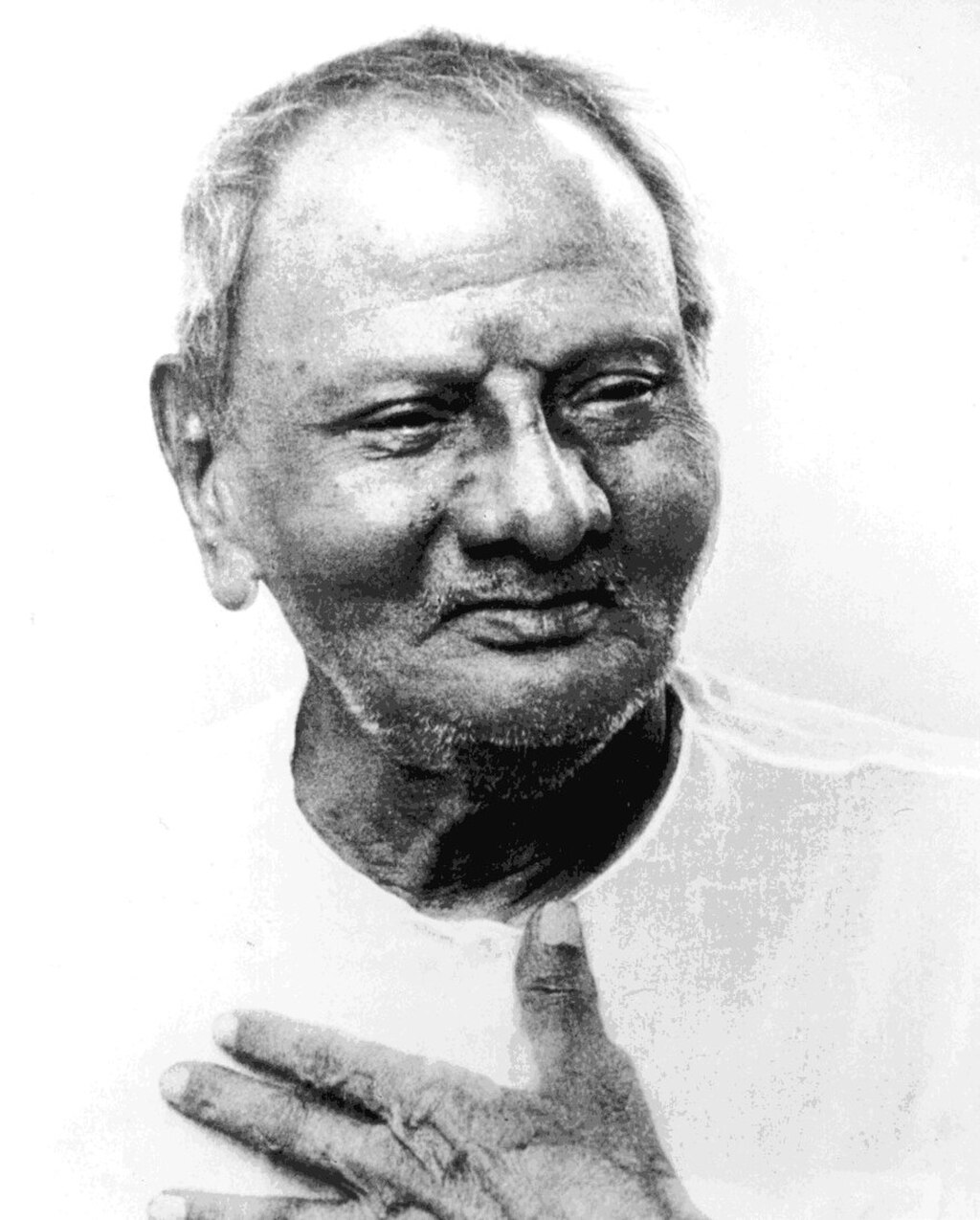
Transcending the Mind: The Path to Liberation
Nisargadatta Maharaj's assertion, "Beyond the mind, there is no suffering," invites us to explore the profound relationship between our mental constructs and the experience of suffering. At its core, this statement suggests that the mind, with its incessant chatter and judgments, is the primary source of our pain. By recognizing this, we are called to seek a deeper understanding of our true nature, one that exists beyond the confines of thought. This exploration is not merely philosophical; it holds the potential for transformative liberation.
In a world where suffering often feels inescapable, Maharaj's words serve as a beacon of hope. They challenge us to question the validity of our thoughts and the narratives we construct around our experiences. The invitation to look beyond the mind is not an easy one, as it requires us to confront our attachments and fears. Yet, it is precisely through this confrontation that we may discover a state of being that is untouched by the turmoil of the mind, leading us toward a more profound sense of peace and freedom.
The image / the metaphor
The imagery in Maharaj's quote evokes a sense of vastness and depth, suggesting that the mind is but a surface layer of our existence. The phrase "beyond the mind" implies a realm that is expansive and serene, contrasting sharply with the chaos often found within our thoughts. The verb "is" in "there is no suffering" conveys a sense of certainty and permanence, indicating that this state of liberation is not a fleeting experience but an inherent aspect of our true nature. This juxtaposition invites us to explore what lies beneath the surface of our mental activity.
In the speaker's tradition
Nisargadatta Maharaj's teachings are rooted in the non-dual tradition, which emphasizes the interconnectedness of all existence and the illusion of separation. Concepts such as *sunyata* (emptiness) and *prajna* (wisdom) are central to this understanding, highlighting the importance of transcending the dualistic nature of thought. In this context, suffering arises from our attachment to the mind and its constructs, which create a false sense of self. By recognizing the illusory nature of these thoughts, we can begin to dissolve the barriers that separate us from our true essence.
In his seminal work, *I Am That*, Maharaj articulates the idea that our identification with the mind leads to a distorted perception of reality. He draws parallels with the Buddhist concept of *dukkha*, which refers to the inherent suffering of existence caused by attachment and craving. Just as the Buddha taught the Four Noble Truths to guide individuals toward liberation, Maharaj offers a direct path to understanding the nature of suffering through self-inquiry and the recognition of our true self beyond the mind.
Living the teaching
Consider a modern scenario where this teaching resonates: a person finds themselves overwhelmed by anxiety about the future. Their mind races with thoughts of what could go wrong, creating a cycle of suffering that feels inescapable. By applying Maharaj's insight, they might pause to recognize that these thoughts are not their true self but rather transient phenomena. This awareness allows them to step back from the mental turmoil, creating space for a more profound sense of peace that exists beyond their anxious thoughts.
In a different context, imagine a relationship strained by misunderstandings and unspoken grievances. One partner may feel hurt and resentful, trapped in a narrative constructed by their mind. By embracing the teaching of "beyond the mind," they can approach the situation with a fresh perspective, recognizing that their suffering stems from their thoughts rather than the actions of their partner. This shift in awareness fosters compassion and understanding, allowing for healing and connection that transcends the limitations of the mind.
A reflection
As we contemplate Maharaj's profound statement, we are invited to reflect on our own relationship with the mind and suffering. What thoughts or beliefs do we cling to that perpetuate our pain? In seeking to understand the nature of our suffering, we may find that the path to liberation lies not in changing our circumstances but in transforming our relationship with our thoughts. How might we begin to explore the space beyond our minds, where true peace resides?




Join the BrightStar Community
Stay connected with daily inspiration, event announcements, and community wisdom