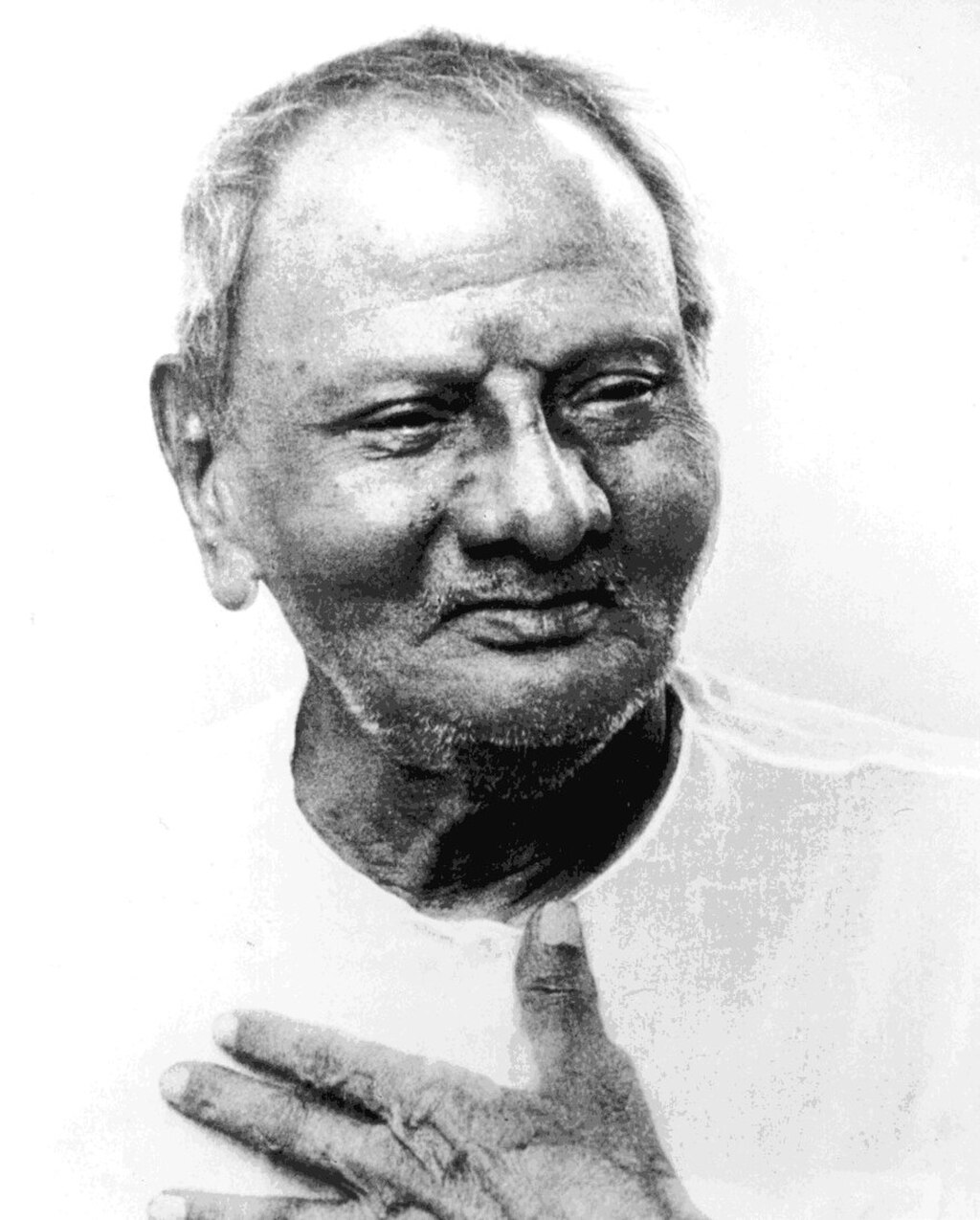
Beyond the Veil of Form: Embracing True Identity
Nisargadatta Maharaj's assertion, "Do not entertain the idea that you are a body," invites us to transcend the limitations of physical identity. This profound statement challenges the very foundation of how we perceive ourselves and our existence. In a world where the body often defines our experiences and interactions, Maharaj's words serve as a reminder of the deeper, unchanging essence that lies beyond the corporeal. Understanding this distinction is crucial for anyone seeking a more profound connection with their true self.
To entertain the notion that we are merely bodies is to confine ourselves to a narrow understanding of existence. This perspective can lead to suffering, attachment, and a sense of separation from the greater whole. Maharaj's teaching urges us to look beyond the physical form and recognize the awareness that observes and experiences life. By doing so, we can begin to cultivate a sense of freedom and peace that is not contingent upon the transient nature of the body.
The image / the metaphor
The imagery in Maharaj's quote evokes a sense of liberation from the confines of physicality. The verb "entertain" suggests a choice, an invitation to reconsider our habitual thoughts and beliefs about identity. By urging us not to entertain the idea of being a body, he encourages a shift in focus from the external to the internal, from the temporary to the eternal. This felt sense of awareness is akin to a vast ocean, where the waves of the body rise and fall but do not define the depth of the water itself.
Diving deeper into this metaphor, we can see the body as a vessel, a temporary manifestation of our true nature. Just as a ship is not the ocean, our bodies are not the essence of who we are. Maharaj's teaching invites us to recognize that while the body may experience pain, pleasure, and change, our true identity remains untouched by these fluctuations. This understanding can foster a profound sense of peace, as we learn to navigate life from a place of awareness rather than identification with form.
In the speaker's tradition
Nisargadatta Maharaj's teachings are rooted in the non-dual tradition, which emphasizes the unity of all existence and the illusion of separation. Concepts such as *sunyata* (emptiness) and *prajna* (wisdom) resonate deeply with his assertion about identity. In this context, the body is seen as a temporary manifestation of the underlying reality, which is pure consciousness. This perspective aligns with the idea of *kenosis*, or self-emptying, where one relinquishes attachment to the self in favor of a deeper connection with the universal essence.
Living the teaching
Consider a modern scenario where this teaching can be applied: a person grappling with body image issues. In a society that often equates worth with physical appearance, one might feel trapped in a cycle of self-judgment and comparison. By internalizing Maharaj's message, this individual can begin to shift their focus from the superficial aspects of their body to the deeper awareness that observes their thoughts and feelings. This shift can lead to a profound sense of self-acceptance, as they recognize that their true identity is not defined by societal standards but by their inherent consciousness.
Another application of this teaching can be found in relationships. When conflicts arise, it is easy to become entangled in the physical and emotional reactions that stem from our bodies. By remembering Maharaj's words, we can cultivate a sense of detachment from the immediate reactions and instead respond from a place of awareness. This allows for more compassionate interactions, as we recognize that our true selves are not limited to the roles we play or the bodies we inhabit. In this way, the teaching becomes a tool for fostering deeper connections and understanding in our daily lives.
A reflection
As we contemplate Maharaj's profound statement, we are invited to explore the nature of our identity. What does it mean to you to consider that you are not merely a body? In what ways can you begin to detach from the physical form and embrace the awareness that lies within? This inquiry can lead to transformative insights, guiding us toward a deeper understanding of ourselves and our place in the universe.


Join the BrightStar Community
Stay connected with daily inspiration, event announcements, and community wisdom