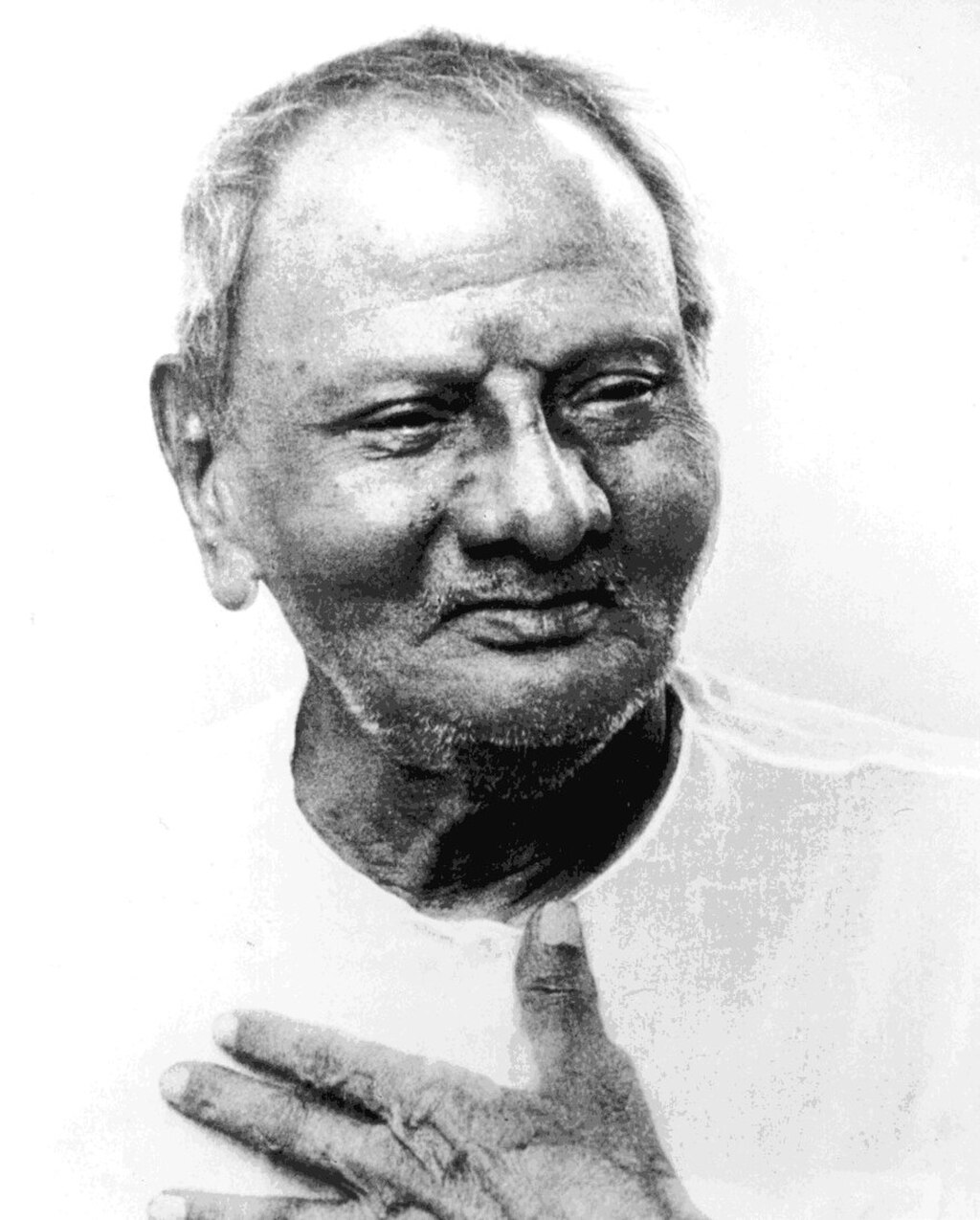
The Confession of Action: Unveiling Truth Through Our Choices
Nisargadatta Maharaj's assertion that "Every action is a confession" invites us to consider the profound implications of our behaviors and choices. At its core, this statement suggests that our actions reveal our innermost truths, beliefs, and intentions. In a world often clouded by pretense and superficiality, recognizing the confessional nature of our actions can lead to a deeper understanding of ourselves and our relationships with others. This awareness is not merely an intellectual exercise; it is a call to authenticity and integrity in every aspect of our lives.
To delve deeper, we must acknowledge that actions are not isolated events but rather expressions of our inner state. Each choice we make, whether conscious or unconscious, serves as a window into our psyche, reflecting our values, fears, and aspirations. This perspective challenges us to examine the motivations behind our actions and to cultivate a sense of mindfulness that aligns our external behaviors with our internal truths. In this light, Maharaj's quote becomes a guiding principle for living a life of sincerity and purpose.
The image / the metaphor
The imagery embedded in the phrase "Every action is a confession" evokes a sense of vulnerability and openness. The word "confession" carries with it the weight of revelation, suggesting that our actions are not merely functional but deeply revealing. Each gesture, word, and decision acts as a testament to our beliefs and values, laying bare the essence of who we are. The choice of the verb "is" implies a state of being, indicating that our actions are not just reflections but integral components of our identity.
Diving deeper into the metaphor, we can see that confession is not merely about admitting faults or failures; it is about the honest expression of our true selves. In this sense, every action becomes a narrative, telling the story of our journey, our struggles, and our triumphs. This perspective encourages us to approach our lives with a sense of responsibility, recognizing that our actions have the power to shape not only our own reality but also the experiences of those around us. It invites us to consider how we can transform our confessions into acts of love, compassion, and authenticity.
In the speaker's tradition
Nisargadatta Maharaj's teachings are rooted in the non-dual tradition, which emphasizes the interconnectedness of all existence and the illusion of separateness. Concepts such as *dharma*, the inherent duty or righteousness, and *sunyata*, the emptiness that underlies all phenomena, resonate deeply with the idea that our actions reveal our true nature. In this context, every action can be seen as an expression of our *dharma*, reflecting our alignment with the universal truth that transcends individual identity.
Moreover, Maharaj's perspective aligns with the notion of *kenosis*, or self-emptying, found in various spiritual traditions. This concept suggests that true liberation arises from relinquishing the ego and embracing a state of openness and vulnerability. In his seminal work, *I Am That*, Maharaj articulates the importance of recognizing the transient nature of the self, urging seekers to look beyond the surface of their actions to uncover the deeper truths that lie within. This invitation to introspection is a cornerstone of his teaching, encouraging us to live authentically in accordance with our true nature.
Living the teaching
Consider a modern scenario where this teaching resonates: a workplace environment filled with competition and ambition. In such a setting, individuals often act out of fear, striving for recognition and success at the expense of collaboration and authenticity. By recognizing that "every action is a confession," one might begin to approach their work with a different mindset, choosing to act with integrity and transparency. This shift not only transforms the individual's experience but also fosters a culture of trust and cooperation among colleagues.
A reflection
As we contemplate the depth of Nisargadatta Maharaj's insight, we are left with a powerful question to ponder: What do my actions reveal about my true self? This inquiry invites us to engage in a process of self-examination, encouraging us to explore the motivations behind our choices and the truths we may be reluctant to confront. By embracing this reflective practice, we can begin to align our actions with our deepest values, ultimately leading to a more authentic and fulfilling life.




Join the BrightStar Community
Stay connected with daily inspiration, event announcements, and community wisdom