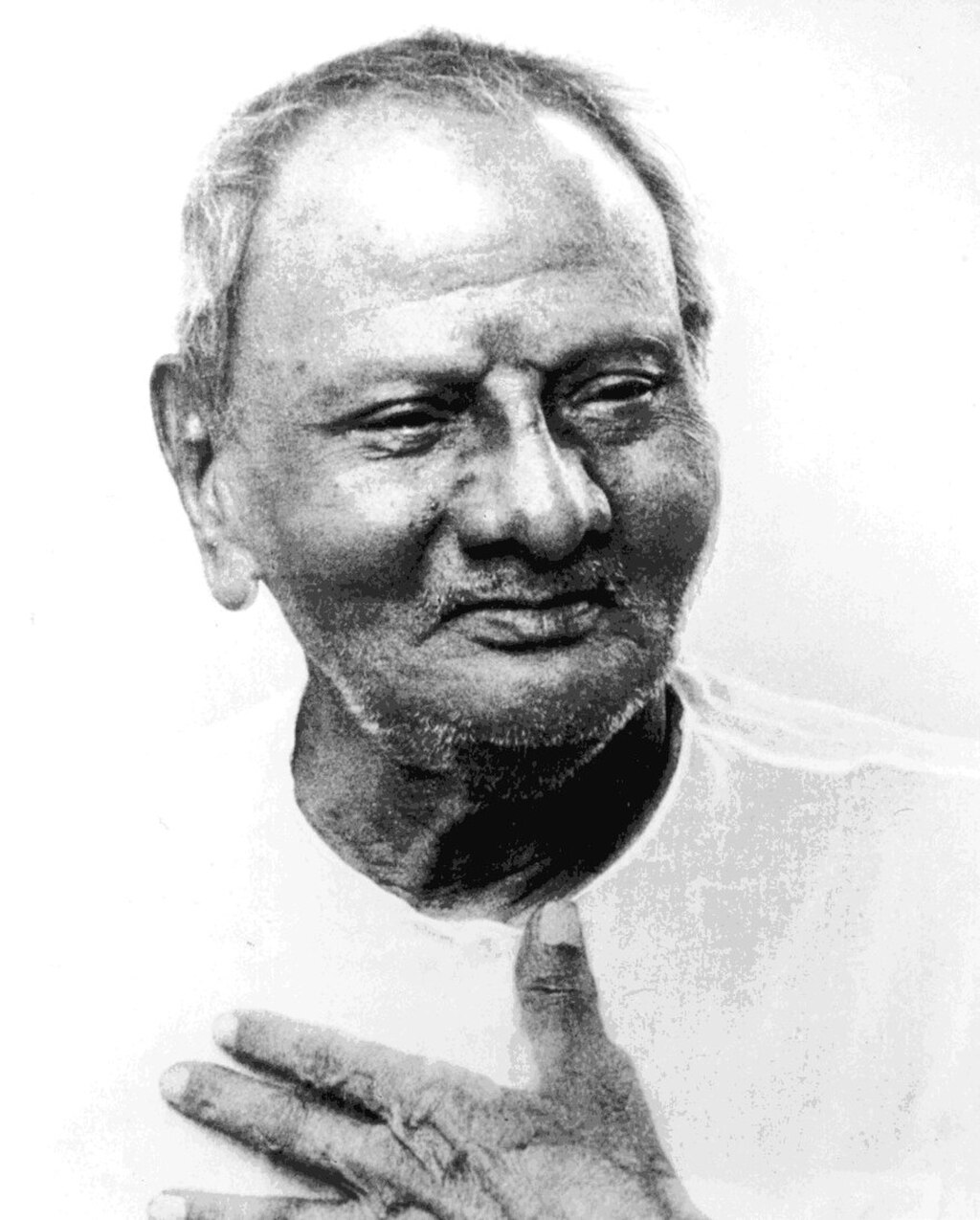
The Unveiling of Liberation: Recognizing Our True Nature
Nisargadatta Maharaj's assertion that "Liberation is not gained. It is recognized" invites us to reconsider our understanding of freedom and enlightenment. This profound statement suggests that liberation is not a distant goal to be achieved through effort or accumulation, but rather an inherent truth waiting to be acknowledged within ourselves. The stakes of this realization are high; it challenges the very fabric of our striving and seeking, urging us to turn inward and recognize the essence of our being that is already free.
In a world that often equates success with external accomplishments, Maharaj's words serve as a gentle yet firm reminder that true liberation lies not in the pursuit of worldly desires but in the recognition of our intrinsic nature. This perspective shifts the focus from a linear journey of gaining to a circular process of unveiling what has always been present. It beckons us to explore the depths of our consciousness, revealing that the liberation we seek is not outside of us, but rather a recognition of our own true self, unencumbered by the illusions of separation and duality.
The image / the metaphor
The imagery in Maharaj's quote evokes a sense of awakening rather than acquisition. The verb "recognized" implies a gentle unveiling, a process of seeing clearly what has always existed beneath layers of misunderstanding and distraction. It suggests that liberation is akin to discovering a hidden treasure within ourselves, rather than a trophy to be won through struggle. This recognition is not a dramatic event but a quiet realization, a moment of clarity that can transform our perception of reality.
In the speaker's tradition
Nisargadatta Maharaj's teachings are deeply rooted in the non-dual tradition, which emphasizes the unity of all existence and the illusory nature of separation. Concepts such as *sunyata* (emptiness) and *fana* (annihilation of the self) resonate with the idea that liberation is not something to be attained but rather a recognition of our true nature. In this context, liberation is understood as the dissolution of the ego and the realization of our interconnectedness with all beings. This perspective aligns with the teachings of Advaita Vedanta, which posits that the individual self (Atman) is ultimately one with the universal consciousness (Brahman).
In his seminal work, *I Am That*, Maharaj articulates the essence of non-duality, emphasizing that the self is not a separate entity but a manifestation of the universal whole. This aligns with the Buddhist concept of *prajna*, or wisdom, which encourages us to see beyond the dualistic perceptions that bind us. Just as the Buddha taught that enlightenment is a recognition of our true nature, Maharaj echoes this sentiment, inviting us to awaken to the reality that liberation is already present within us, waiting to be recognized.
Living the teaching
Consider a modern scenario where this teaching might resonate: a person caught in the relentless pursuit of success, constantly striving for promotions, accolades, and external validation. In this context, the realization that liberation is not something to be gained can be transformative. Instead of chasing after achievements, this individual might begin to explore their inner landscape, recognizing that their worth and freedom do not depend on external circumstances but arise from within. This shift in perspective can lead to a profound sense of peace and contentment, as they learn to embrace their inherent value.
In the realm of relationships, this teaching can also find profound application. Imagine a couple facing conflict, each partner feeling misunderstood and disconnected. By recognizing that their liberation from suffering lies not in changing the other person but in understanding their own reactions and perceptions, they can begin to cultivate empathy and compassion. This recognition allows them to see beyond the surface of their disagreements, fostering a deeper connection rooted in shared humanity. In both scenarios, the act of recognizing rather than gaining becomes a pathway to deeper fulfillment and harmony.
A reflection
As we contemplate Maharaj's profound statement, we are invited to ask ourselves: What aspects of my life am I still seeking to gain, rather than recognizing within myself? This question encourages a deep exploration of our motivations and desires, prompting us to discern between the fleeting pursuits of the external world and the enduring truth of our inner being. In this inquiry, we may find that liberation is not a distant dream but a present reality, waiting for our recognition and acceptance.




Join the BrightStar Community
Stay connected with daily inspiration, event announcements, and community wisdom