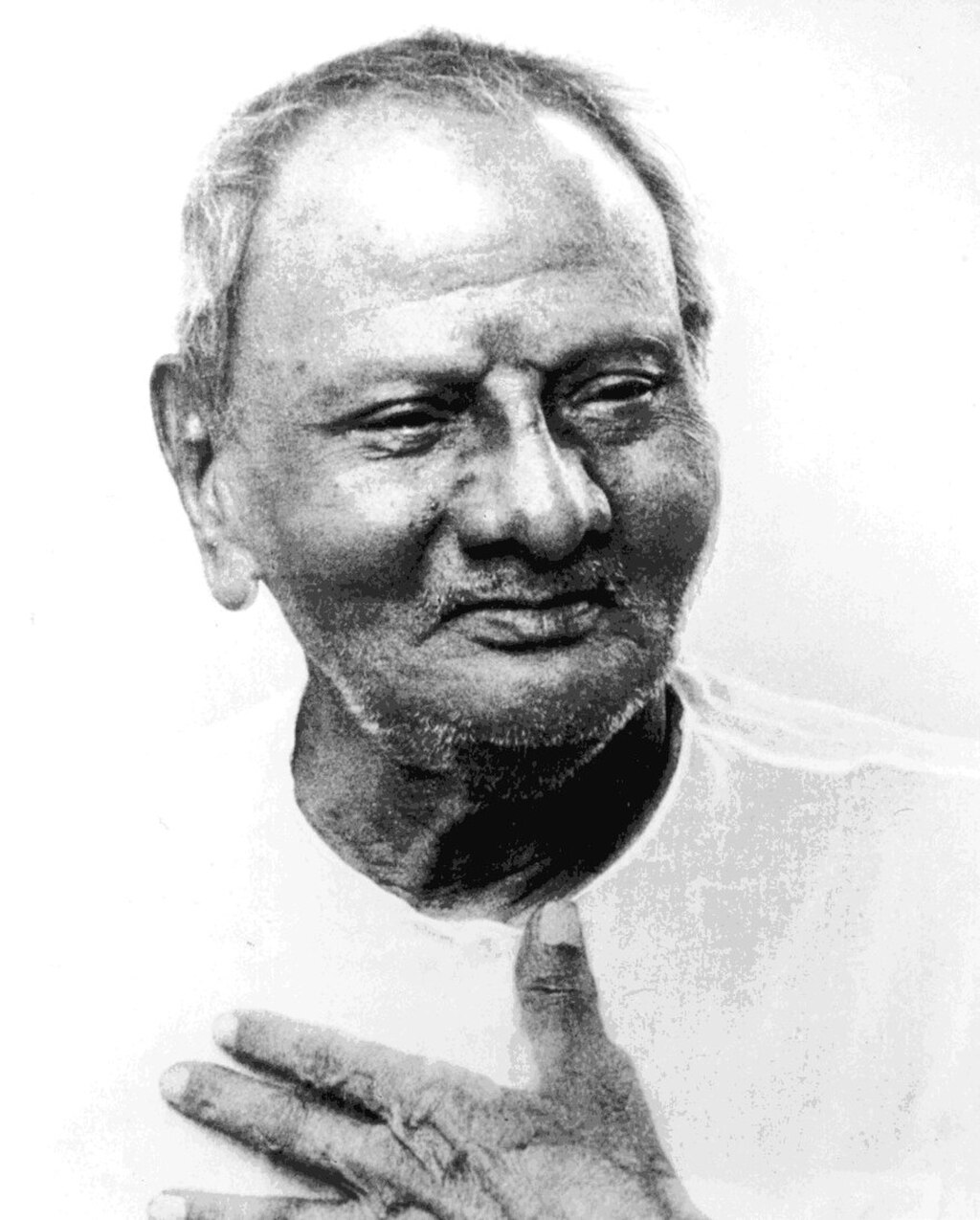
Beyond the Barricade: Unraveling the Illusion of Knowledge
Nisargadatta Maharaj's assertion that "the mind creates a barricade against infinity and calls it knowledge" invites us to reflect on the limitations imposed by our own understanding. In this statement, he challenges the very foundation of what we consider to be knowledge, suggesting that our mental constructs often serve as barriers to a deeper, more expansive reality. This exploration is crucial, as it compels us to question the validity of our perceptions and the extent to which they confine our experience of existence.
At its core, this quote speaks to the tension between the finite nature of human cognition and the infinite possibilities of consciousness. Maharaj's words resonate with the idea that our ego, in its quest for certainty and control, erects walls that obscure the boundless nature of truth. By recognizing these barricades, we can begin to dismantle them, allowing ourselves to engage with the vastness of being that lies beyond our limited understanding.
The image / the metaphor
The imagery of a "barricade" conjures a vivid picture of a formidable wall, constructed by the mind to shield itself from the overwhelming expanse of infinity. This barricade is not merely a physical obstruction; it represents the mental frameworks and beliefs that confine our perception. The choice of the word "creates" implies an active role of the mind in this process, suggesting that we are not passive recipients of knowledge but rather architects of our own limitations.
Diving deeper into this metaphor, we can see that the barricade symbolizes the ego's defense mechanisms, which arise from fear and the desire for security. In its attempt to categorize and define, the mind often overlooks the fluidity and interconnectedness of existence. By labeling experiences as "knowledge," we risk solidifying them into rigid concepts, thus losing sight of the ever-changing nature of reality. This metaphor serves as a poignant reminder of the need to remain open and receptive, allowing the infinite to permeate our understanding.
In the speaker's tradition
Nisargadatta Maharaj's teachings are rooted in the non-dual tradition, which emphasizes the unity of all existence and the illusory nature of the self. Concepts such as *sunyata* (emptiness) and *kenosis* (self-emptying) resonate deeply with the idea presented in the quote. The barricade of knowledge can be seen as a manifestation of the ego's attachment to identity, which ultimately obscures the realization of our true nature as interconnected beings. In this context, the dissolution of the ego is essential for experiencing the fullness of consciousness.
Living the teaching
Consider a modern scenario where an individual is faced with a significant life decision, such as changing careers. The mind may create a barricade of "knowledge" based on past experiences, societal expectations, and fears of failure. This mental construct can lead to paralysis, as the person becomes trapped in a cycle of overthinking and self-doubt. By recognizing this barricade, one can begin to question the validity of these thoughts and open themselves to the infinite possibilities that lie beyond their current understanding.
In the realm of relationships, this teaching can manifest in the way we perceive and interact with others. Often, we project our preconceived notions and judgments onto those we encounter, creating barriers that hinder genuine connection. By acknowledging that these mental constructs are merely reflections of our own fears and insecurities, we can cultivate a deeper sense of empathy and understanding. This shift allows us to engage with others from a place of openness, fostering authentic relationships that transcend the limitations of our ego.
A reflection
As we contemplate Maharaj's profound statement, we are invited to consider the nature of our own barricades. What mental constructs do we cling to that limit our experience of the infinite? In what ways do we allow our understanding to confine us, rather than liberate us? By reflecting on these questions, we can begin to dismantle the barriers that separate us from the boundless truth of our existence, opening ourselves to a deeper engagement with life.


Join the BrightStar Community
Stay connected with daily inspiration, event announcements, and community wisdom