Beyond the Walls of Thought: A Journey into Consciousness
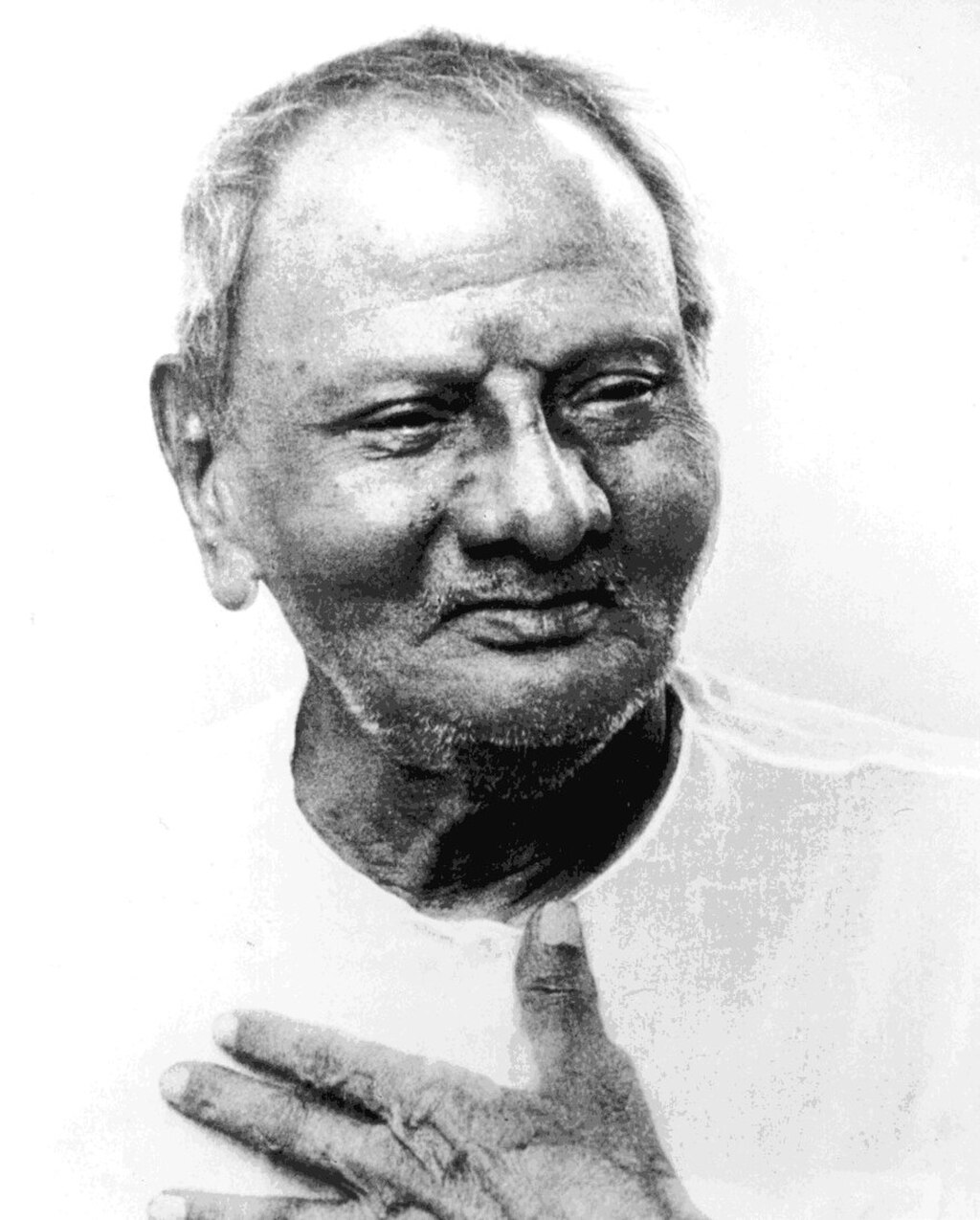
Nisargadatta Maharaj's poignant observation, "The mind creates a wall of thoughts and we live behind it," invites us to reflect on the nature of our consciousness and the barriers we construct through our own thinking. This quote speaks to the profound truth that our mental constructs often imprison us, obscuring the essence of who we truly are. By recognizing these walls, we can begin to dismantle them, allowing for a more authentic experience of life and a deeper connection to our true selves.
In a world where distractions abound and the cacophony of thoughts often drowns out the stillness of being, Maharaj's words resonate with urgency. They challenge us to examine the layers of our thoughts and beliefs that shape our perception of reality. The stakes are high; to remain confined behind these walls is to miss the richness of existence and the profound peace that lies beyond the chatter of the mind. This exploration is not merely philosophical; it is a call to awaken to the deeper dimensions of consciousness that await us.
The image / the metaphor
The imagery of a wall conjures a sense of confinement and separation. It evokes feelings of being trapped, as if we are spectators in our own lives, peering out from behind a barrier constructed by our thoughts. The verb "creates" suggests an active process, highlighting that these walls are not inherent to our being but are instead built through habitual thinking and identification with the ego. This metaphor serves as a powerful reminder of the mental constructs that shape our experience, often leading us away from the truth of our existence.
Diving deeper into the metaphor, we can see that these walls are not merely physical barriers but represent the limitations of our perception. They signify the ego's tendency to categorize and define, to label experiences as good or bad, desirable or undesirable. In doing so, we become ensnared in a web of duality, where our sense of self is contingent upon external circumstances. The challenge lies in recognizing that these walls are illusory; they can be dismantled through awareness and contemplation, allowing us to step into a more expansive understanding of consciousness.
In the speaker's tradition
Nisargadatta Maharaj's teachings emerge from the rich tradition of non-duality, which emphasizes the interconnectedness of all existence and the illusory nature of the ego. Central to this tradition is the concept of *advaita*, or non-duality, which posits that the distinction between self and other is a product of the mind's conditioning. This aligns with the idea of *sunyata*, or emptiness, found in Buddhist philosophy, which teaches that our attachments to thoughts and identities create the walls that obscure our true nature.
In his seminal work, *I Am That*, Maharaj invites seekers to inquire into the nature of their own consciousness, urging them to recognize the transient nature of thoughts and the deeper reality that lies beyond. This inquiry echoes the practice of *kenosis*, or self-emptying, where one relinquishes the ego's grasp to experience a more profound sense of being. By engaging with these concepts, we can begin to dismantle the walls that confine us, moving towards a state of liberation and unity with all that is.
Living the teaching
Consider a modern scenario where this teaching can be applied: a busy professional overwhelmed by the demands of work and life. Each day, the mind races with thoughts of deadlines, expectations, and responsibilities, creating a wall that separates them from the present moment. In this state of constant distraction, the individual may feel disconnected from their true self, unable to experience joy or fulfillment. By recognizing the wall of thoughts and consciously choosing to step back, they can cultivate mindfulness, allowing for moments of stillness that reconnect them with their essence.
In the context of relationships, the teaching can also illuminate the dynamics of communication. Imagine a couple caught in a cycle of misunderstandings, each partner trapped behind their own walls of thought and perception. By acknowledging the barriers created by their assumptions and judgments, they can begin to engage in deeper, more authentic conversations. This practice of vulnerability and openness fosters a space where love and understanding can flourish, breaking down the walls that once separated them.
A reflection
As we contemplate Maharaj's profound insight, we are invited to ask ourselves: What walls have I constructed in my own mind that prevent me from experiencing the fullness of life? This question serves as a catalyst for introspection, encouraging us to explore the beliefs and thought patterns that may be limiting our awareness. In this exploration, we may find the keys to dismantling those walls, allowing us to step into a more expansive and liberated state of being.


Join the BrightStar Community
Stay connected with daily inspiration, event announcements, and community wisdom