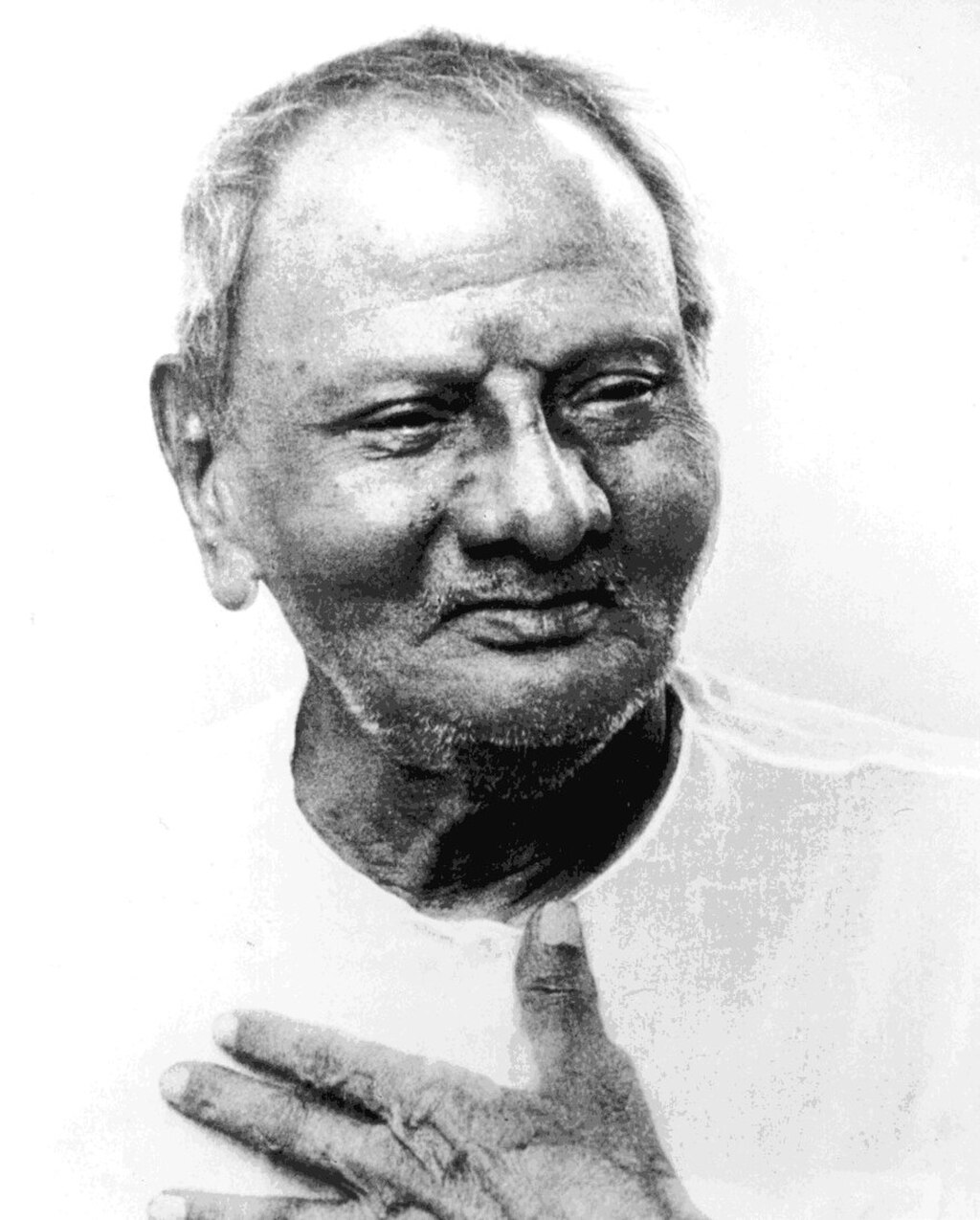
Awakening to the Supreme Reality Within
Nisargadatta Maharaj's profound assertion, "The supreme reality is in you. It is your own nature. You are That," invites us to explore the depths of our own consciousness and the essence of our being. This statement challenges the conventional understanding of reality, urging us to recognize that the ultimate truth lies not in external circumstances or material pursuits, but within ourselves. The stakes are high; to grasp this teaching is to embark on a transformative journey toward self-realization and liberation from the illusions that bind us.
In a world often dominated by distractions and external validations, Maharaj's words serve as a beacon, illuminating the path to awakening. The invitation to look inward is both a call to introspection and a reminder of our inherent divinity. By acknowledging that we are not separate from the supreme reality, we begin to dismantle the barriers of ego and illusion, allowing for a deeper connection with our true nature. This exploration is not merely philosophical; it is a lived experience that can profoundly alter our perception of self and existence.
The image / the metaphor
The imagery in Maharaj's quote evokes a sense of intimacy and immediacy. The phrase "the supreme reality is in you" suggests that the ultimate truth is not a distant or abstract concept but rather an integral part of our very being. The verbs "is" and "are" ground this realization in the present moment, emphasizing that this reality is not something to be sought after but recognized within ourselves. The use of "That" signifies a profound unity, pointing to the non-dual nature of existence where the seeker and the sought are one.
Diving deeper into the metaphor, we can see that Maharaj is inviting us to peel back the layers of our conditioned identities. The notion that "you are That" challenges the fragmented self that often feels disconnected from the universe. It suggests that our true essence transcends the limitations of the mind and body, inviting us to embrace a more expansive understanding of who we are. This realization can be likened to a flower blooming; the petals unfurling reveal the beauty that was always present, hidden beneath the surface.
In the speaker's tradition
Nisargadatta Maharaj's teachings are rooted in the non-dual tradition of Advaita Vedanta, which emphasizes the oneness of existence and the illusion of separateness. Concepts such as *sunyata* (emptiness) and *fana* (annihilation of the self) resonate deeply with his assertion that the supreme reality is within. In this context, the journey toward awakening involves recognizing the illusory nature of the ego and the transient aspects of life, ultimately leading to the realization of our true nature as pure consciousness.
A relevant text that echoes this sentiment is the *Upanishads*, which articulate the idea of *Tat Tvam Asi*—"That Thou Art." This ancient wisdom reinforces the notion that the individual self (Atman) is not separate from the universal consciousness (Brahman). Maharaj's teaching serves as a modern reiteration of this timeless truth, inviting seekers to engage with their own inner reality and discover the profound interconnectedness of all existence.
Living the teaching
Consider a modern scenario where an individual feels overwhelmed by the pressures of daily life—work demands, social expectations, and personal insecurities. In such moments, the teaching of Maharaj can serve as a grounding force. By pausing to reflect on the truth that "the supreme reality is in you," one can shift from a state of anxiety to a place of inner peace. This recognition allows for a deeper understanding that external circumstances do not define one's worth or reality; rather, it is the inner landscape that shapes our experience.
In relationships, this teaching can manifest as a profound shift in how we perceive others. When we recognize that each person we encounter is also a reflection of the supreme reality, we cultivate compassion and understanding. In difficult moments, such as conflicts or misunderstandings, recalling that "you are That" can help dissolve the barriers of judgment and separation. This perspective fosters a sense of unity, allowing for healing and deeper connection, as we see beyond the surface to the shared essence of our being.
A reflection
As we contemplate Maharaj's profound words, we are invited to engage in a contemplative inquiry: What does it mean for me to recognize that the supreme reality is within me? This question encourages us to explore our own understanding of self and existence, prompting a deeper investigation into the layers of identity that may obscure our true nature. In this exploration, we may find that the journey toward awakening is not just about seeking answers, but about embracing the questions that lead us home to ourselves.


Join the BrightStar Community
Stay connected with daily inspiration, event announcements, and community wisdom