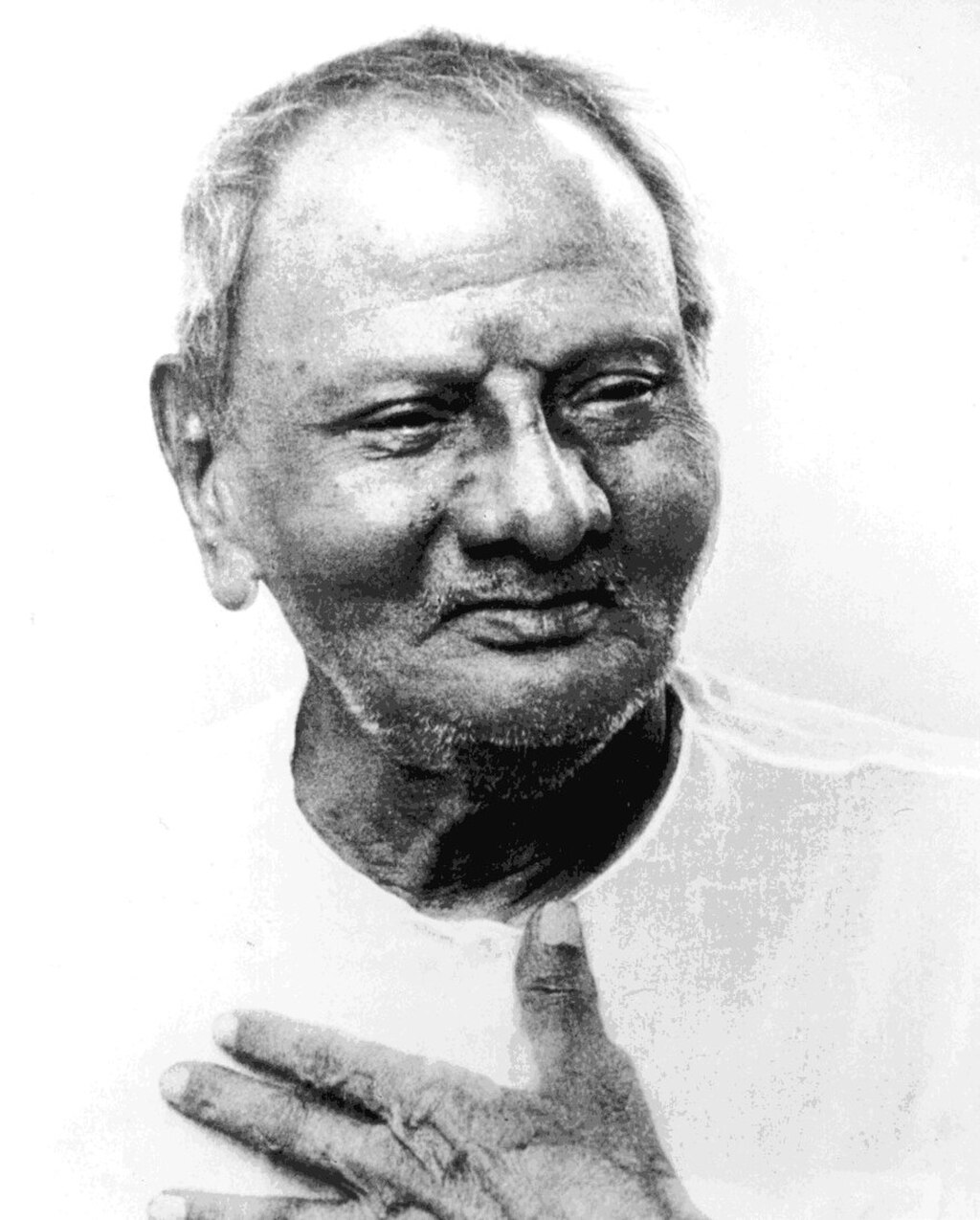
The Alchemy of Pain and Suffering
Nisargadatta Maharaj's assertion that "Pain is. Suffering is the rebellion against pain" invites us to explore the intricate relationship between the unavoidable reality of pain and the often self-imposed burden of suffering. In this profound statement, Maharaj delineates a critical distinction: while pain is an inherent aspect of the human experience, suffering arises from our resistance to that pain. This understanding is essential for anyone seeking to navigate the complexities of existence with greater ease and clarity, as it challenges us to reconsider our responses to life's inevitable challenges.
At its core, this quote speaks to the nature of our emotional and psychological responses to pain. Pain, whether physical or emotional, is a universal experience that cannot be avoided; it is a part of life. However, suffering, which stems from our attempts to reject or escape pain, can be alleviated through acceptance and understanding. By recognizing this distinction, we can begin to cultivate a more compassionate relationship with ourselves and our experiences, ultimately leading to a deeper sense of peace and acceptance.
The image / the metaphor
The imagery in Maharaj's quote is stark yet illuminating. The word "pain" evokes a visceral response, conjuring sensations that are often sharp, acute, and immediate. In contrast, "suffering" suggests a prolonged state of distress, one that is often self-inflicted through our thoughts and beliefs. The verb "is" in the first part of the quote indicates a simple acknowledgment of pain as a reality, while "rebellion" in the second part implies an active resistance, a struggle against what is. This distinction paints a vivid picture of the human condition, where pain exists as a fact of life, and suffering emerges as a complex emotional response.
Diving deeper into the metaphor, we can see that suffering is not merely an emotional state but a dynamic interplay between our perceptions and our experiences. When we resist pain, we create a narrative around it, often amplifying our distress through fear, anger, or despair. This rebellion can take many forms, from avoidance and denial to anger and blame. By framing suffering as a rebellion, Maharaj invites us to examine the ways in which we cling to our discomfort, suggesting that liberation lies not in the absence of pain but in our willingness to embrace it without resistance.
In the speaker's tradition
Nisargadatta Maharaj's teachings are rooted in the non-dual tradition, which emphasizes the interconnectedness of all existence and the illusion of separation. Concepts such as *sunyata* (emptiness) and *fana* (annihilation of the self) resonate deeply with his assertion about pain and suffering. In this context, pain can be seen as a manifestation of the transient nature of life, while suffering arises from our attachment to the self and our desires. The practice of *kenosis*, or self-emptying, becomes a pathway to transcend the suffering that arises from our resistance to pain, allowing us to experience life more fully and authentically.
In his seminal work, *I Am That*, Maharaj often emphasizes the importance of self-inquiry and the recognition of one's true nature beyond the ego. This aligns with the idea that suffering is a product of our identification with the self and its desires. By turning our attention inward and questioning the nature of our thoughts and beliefs, we can begin to dismantle the structures that perpetuate our suffering, ultimately leading to a more profound understanding of our true essence.
Living the teaching
Consider a modern scenario where this teaching might resonate: a person grappling with chronic pain. This individual may find themselves caught in a cycle of suffering, where the pain becomes a source of frustration and despair. By recognizing that their suffering is a rebellion against the reality of their pain, they can begin to shift their perspective. Instead of resisting the pain, they might explore practices such as mindfulness or meditation, allowing them to experience the pain without judgment and to cultivate a sense of acceptance. This shift can transform their relationship with pain, leading to a more peaceful existence.
In the context of relationships, this teaching can also be profoundly impactful. Imagine a couple facing conflict, where one partner feels hurt and the other reacts defensively. The pain of hurt feelings is real, but the suffering that ensues often stems from a refusal to acknowledge and accept that pain. By embracing the discomfort and engaging in open, honest communication, both partners can move beyond their resistance, fostering a deeper connection and understanding. This practice of acceptance can transform not only individual experiences but also the dynamics of relationships, allowing for healing and growth.
A reflection
As we contemplate Nisargadatta Maharaj's insight, we might ask ourselves: In what ways do I resist the pain in my life, and how does that resistance contribute to my suffering? This question invites us to engage in a deeper exploration of our emotional landscapes, encouraging us to confront our discomfort with compassion and curiosity. By reflecting on our responses to pain, we can begin to unravel the layers of suffering we have woven around our experiences, ultimately leading us toward a more liberated and authentic existence.


Join the BrightStar Community
Stay connected with daily inspiration, event announcements, and community wisdom