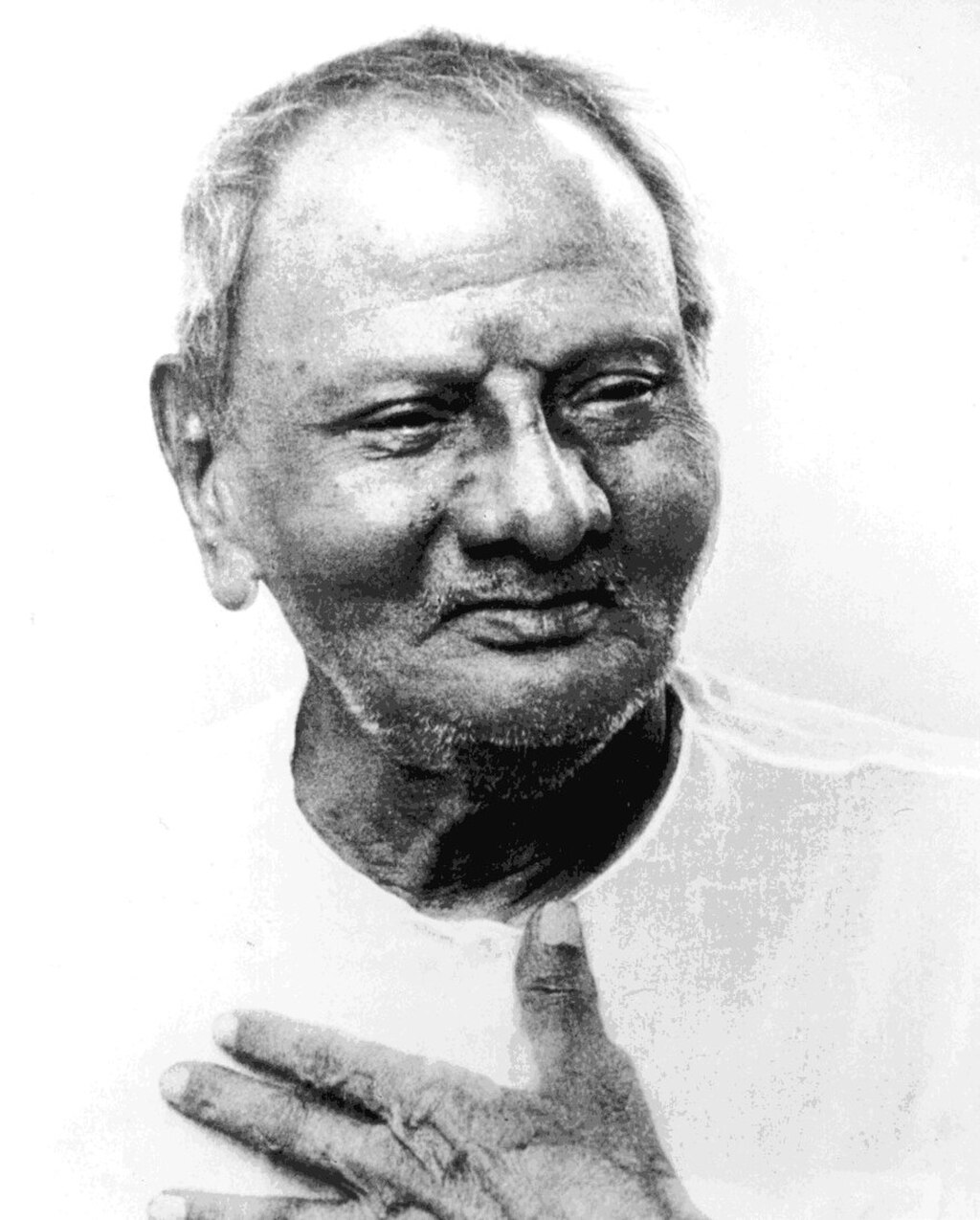
The Unshakable Self: Embracing Wholeness in a Fragmented World
Nisargadatta Maharaj's profound assertion, "Realize that there is nothing wrong with you. Then nothing in the world can shake you," invites us to explore the depths of our being and the nature of our existence. At its core, this statement speaks to the inherent wholeness that resides within each of us, a wholeness that, when recognized, becomes a source of unshakeable steadiness amidst the chaos of the external world. The stakes are high; in a society that often promotes feelings of inadequacy and fragmentation, this realization can serve as a transformative anchor, guiding us toward a more authentic and resilient way of being.
To delve deeper, we must consider the implications of recognizing that there is "nothing wrong" with us. This realization is not merely an affirmation of self-worth; it is a profound acknowledgment of our intrinsic nature, which transcends the limitations imposed by our thoughts, emotions, and societal expectations. In a world rife with distractions and judgments, understanding our wholeness becomes an act of liberation, allowing us to navigate life with a sense of purpose and clarity. Maharaj's words resonate as a call to return to our true essence, fostering a deep-seated steadiness that can withstand the trials and tribulations of life.
The image / the metaphor
The imagery in Maharaj's quote evokes a sense of inner fortitude and resilience. The phrase "nothing wrong with you" suggests a profound acceptance of oneself, free from the burdens of self-doubt and criticism. The verbs chosen—"realize" and "shake"—imply an active engagement with our inner landscape, where realization becomes a transformative act that fortifies our being against external disturbances. This felt sense of steadiness is akin to a tree deeply rooted in the earth, swaying gracefully with the winds of change yet remaining unyielding in its core.
Diving deeper into the metaphor, we can envision the self as a vast ocean, capable of containing both calm and storm. When we recognize that there is nothing fundamentally wrong with us, we tap into the ocean's depths, where turbulence on the surface does not disturb the stillness below. This metaphor illustrates the importance of cultivating an inner awareness that allows us to observe the fluctuations of life without being swept away by them. In this way, the realization of our wholeness becomes a sanctuary, a place of refuge where we can find peace amidst the storms of existence.
In the speaker's tradition
Nisargadatta Maharaj's teachings are rooted in the non-dual tradition, which emphasizes the interconnectedness of all existence and the illusion of separateness. Central to this philosophy is the concept of "sunyata," or emptiness, which invites us to recognize that our perceived flaws and shortcomings are constructs of the mind. By embracing this emptiness, we can begin to see that our true nature is not defined by our thoughts or experiences but is instead a boundless awareness that transcends duality. This understanding aligns with the notion of "kenosis," or self-emptying, which encourages us to let go of our attachments to identity and ego, allowing the realization of our inherent wholeness to emerge.
A relevant text that echoes Maharaj's sentiment is the "Ashtavakra Gita," a classic work of non-dual philosophy. In this text, the sage Ashtavakra teaches that true liberation comes from recognizing the illusory nature of the self and the world. He emphasizes that the essence of our being is untouched by the fluctuations of life, mirroring Maharaj's assertion that when we realize our true nature, we become impervious to external disturbances. Both teachings invite us to explore the depths of our consciousness and embrace the profound truth of our existence.
Living the teaching
Consider a modern scenario where this teaching might resonate: a professional facing constant criticism at work. The weight of external judgments can lead to feelings of inadequacy and self-doubt, causing one to question their abilities and worth. However, by internalizing Maharaj's teaching, this individual can begin to recognize that their value is not contingent upon the opinions of others. Instead, they can cultivate an inner steadiness, understanding that their true essence remains unscathed by external evaluations. This shift in perspective allows them to navigate their professional landscape with renewed confidence and clarity.
Another application of this teaching can be found in personal relationships, particularly during conflicts. When disagreements arise, it is easy to become entangled in feelings of blame or inadequacy. However, by embracing the understanding that there is nothing fundamentally wrong with oneself, individuals can approach conflicts with a sense of compassion and openness. This realization fosters a space for dialogue and understanding, allowing both parties to engage from a place of wholeness rather than defensiveness. In this way, Maharaj's teaching becomes a guiding principle for nurturing healthier, more resilient relationships.
A reflection
As we contemplate the essence of Maharaj's words, we are invited to engage in a reflective inquiry: What would it mean for me to fully embrace the idea that there is nothing wrong with me? This question encourages us to explore the layers of self-judgment and societal conditioning that may cloud our perception of self-worth. By delving into this inquiry, we can begin to uncover the profound truth of our wholeness, allowing it to illuminate our path toward greater steadiness and peace in a world that often seeks to shake us.


Join the BrightStar Community
Stay connected with daily inspiration, event announcements, and community wisdom