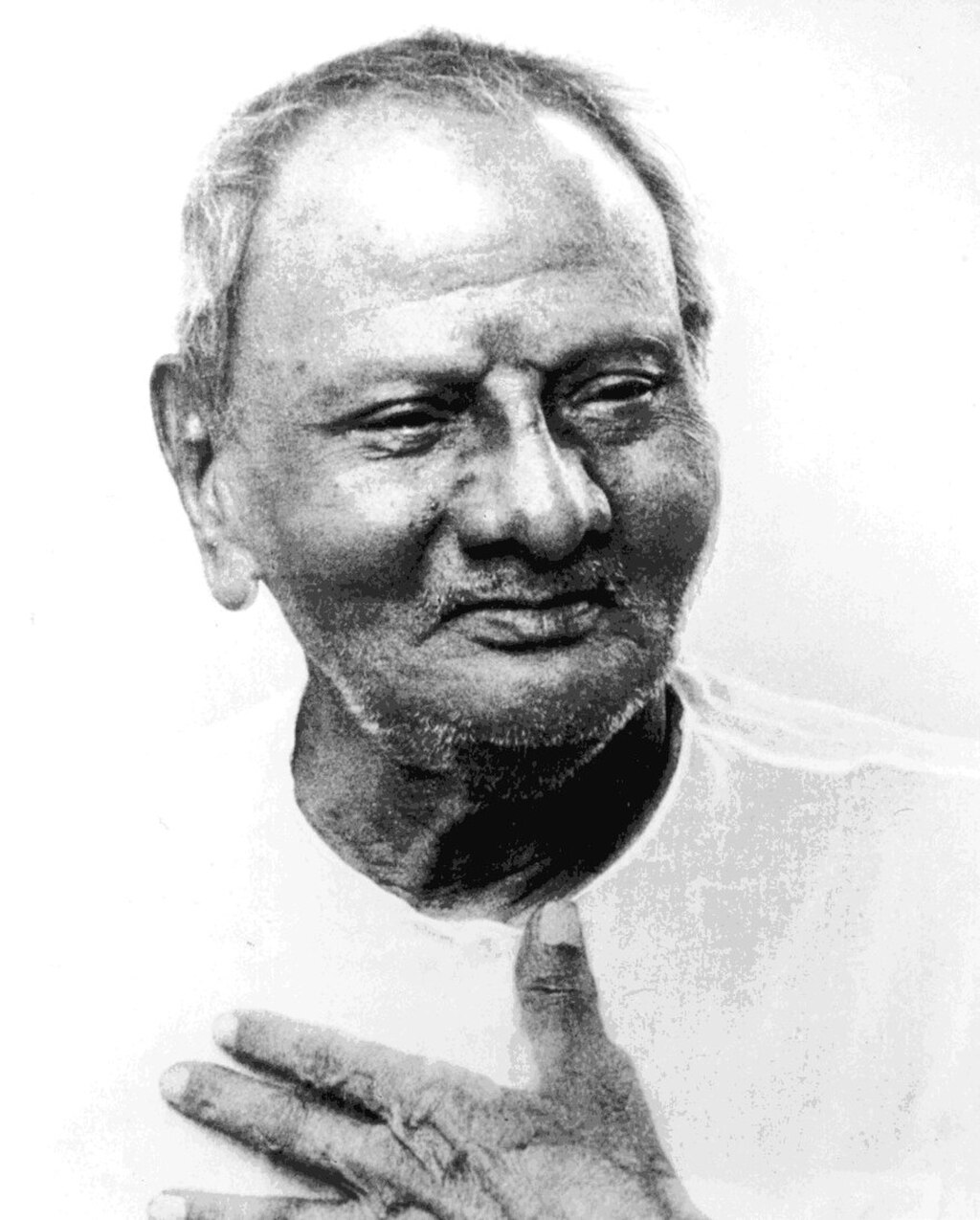
The Unveiling of the Obvious: A Journey to Self-Realization
Nisargadatta Maharaj's assertion that "Self-realization is the recognition of the obvious" invites us to explore the profound simplicity that often eludes our grasp. In a world filled with distractions and complexities, this statement serves as a gentle reminder that the essence of our being is not hidden in esoteric knowledge but rather lies in the clarity of what is already present. The stakes are high; recognizing this truth can lead to a transformative awakening, liberating us from the confines of our conditioned minds and allowing us to experience life in its fullest expression.
As we delve deeper into this quote, we uncover layers of meaning that challenge our conventional understanding of self and reality. The term "recognition" implies an active engagement with our own consciousness, suggesting that self-realization is not a distant goal but an immediate possibility. This recognition calls for a shift in perspective, urging us to look beyond the surface of our thoughts and beliefs to discover the inherent truth that resides within us. It is an invitation to awaken to the simplicity of existence, where the obvious becomes a profound revelation.
The image / the metaphor
The imagery of "recognition" in Maharaj's quote evokes a sense of clarity and illumination. It suggests that self-realization is akin to lifting a veil that obscures our true nature. The verb "recognition" implies an acknowledgment that is both personal and universal; it is not merely an intellectual understanding but a deep, felt experience of one's own essence. This process of unveiling is not about acquiring new knowledge but rather about rediscovering what has always been there, waiting patiently for our attention.
Diving deeper into the metaphor, we can liken this recognition to the act of seeing a familiar landscape from a new vantage point. The mountains, rivers, and trees have always existed, yet our perception of them can shift dramatically based on our awareness. In this sense, self-realization is not about creating something new but about recognizing the inherent beauty and truth that permeates our existence. It is a return to the simplicity of being, where the obvious reveals itself as a profound source of wisdom.
In the speaker's tradition
Nisargadatta Maharaj's teachings are rooted in the non-dual tradition, which emphasizes the interconnectedness of all existence and the illusory nature of separateness. Concepts such as *sunyata* (emptiness) and *fana* (annihilation of the self) resonate deeply with the idea of recognizing the obvious. In this context, self-realization is not merely an individual achievement but a collective awakening to the unity of all beings. The recognition of our true nature transcends the ego, allowing us to experience the world as an expression of the same underlying consciousness.
A relevant text that echoes this sentiment is the *Upanishads*, which speak of the ultimate reality as *Brahman*, the unchanging essence that pervades all things. The *Taittiriya Upanishad* beautifully articulates this idea by stating, "That art thou," inviting us to recognize our intrinsic connection to the divine. Maharaj's assertion aligns with this ancient wisdom, suggesting that the journey of self-realization is a return to our original state of awareness, where the obvious truth of our being is revealed.
Living the teaching
Consider a modern scenario where this teaching can be applied: a busy professional overwhelmed by the demands of work and life. In the midst of deadlines and responsibilities, the individual may feel disconnected from their true self, lost in the chaos of external expectations. By taking a moment to pause and reflect, they can engage in the practice of recognition—acknowledging the simple truth that beneath the layers of stress and obligation lies a core of peace and clarity. This recognition can serve as a grounding force, allowing them to navigate their responsibilities with a renewed sense of purpose and presence.
In the realm of relationships, the teaching of self-realization as recognition can manifest in moments of conflict or misunderstanding. When faced with a disagreement, one might instinctively react from a place of ego, defending their position rather than seeking understanding. However, by applying the principle of recognition, they can step back and acknowledge the shared humanity in both themselves and the other person. This shift in perspective fosters empathy and connection, transforming the interaction from one of division to one of unity, where the obvious truth of our shared experience becomes the foundation for resolution.
A reflection
As we contemplate Nisargadatta Maharaj's profound statement, we are invited to explore the nature of our own recognition. What is it that we have overlooked in our pursuit of understanding? In the stillness of our minds, we can ask ourselves: What is the obvious truth that lies within me, waiting to be recognized? This question serves as a gateway to deeper self-inquiry, guiding us toward the simplicity and clarity that self-realization promises.




Join the BrightStar Community
Stay connected with daily inspiration, event announcements, and community wisdom