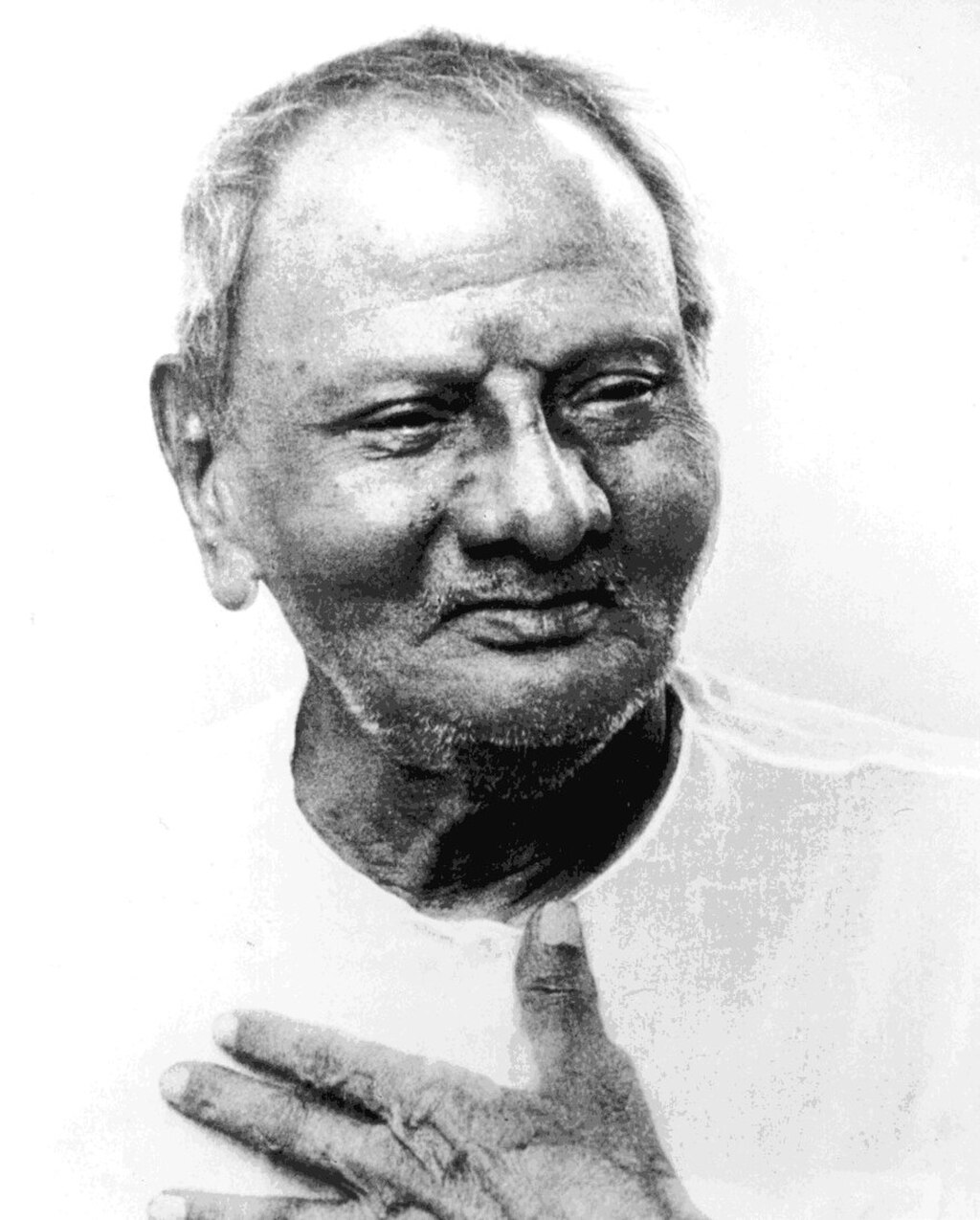
The Depth of Presence: Unraveling the 'I Am'
Nisargadatta Maharaj invites us to dwell in the profound simplicity of the phrase "I am" until it unveils the essence of our being. This call to remain with the fundamental acknowledgment of existence is not merely a linguistic exercise; it is a spiritual practice that promises revelation. In a world often clouded by distractions and identities, this teaching beckons us to explore the depths of our true nature, urging us to confront the layers of self that obscure our understanding of who we truly are.
To stay with "I am" is to engage in a contemplative journey that transcends the superficiality of thought and identity. It is an invitation to peel back the layers of conditioning, beliefs, and societal roles that shape our perception. In this exploration, we may discover that the essence of our being is not defined by external circumstances or transient emotions, but rather by a deeper, unchanging presence that connects us to the universe itself. This journey is not just personal; it is a universal quest for truth that resonates across cultures and spiritual traditions.
The image / the metaphor
The phrase "Stay with 'I am'" conjures an image of stillness and presence, a moment of pause where one can simply be. The verb "stay" suggests a commitment to remain anchored in this state of awareness, resisting the urge to flee into the distractions of thought or identity. The simplicity of "I am" serves as a powerful reminder of our existence, a grounding point from which deeper understanding can emerge. It evokes a sense of intimacy with oneself, a gentle invitation to explore the nature of being without the interference of external validation or judgment.
Diving deeper into the metaphor, "I am" represents the purest form of consciousness, stripped of all labels and definitions. It is the essence of existence itself, a state of awareness that transcends the dualities of self and other, subject and object. By remaining with this fundamental acknowledgment, we are encouraged to confront the illusions that arise from our conditioned minds. This practice is akin to a sculptor chiseling away at a block of marble, revealing the masterpiece hidden within. In this way, the journey of self-discovery becomes an art form, where the raw material of our existence is refined into clarity and understanding.
In the speaker's tradition
Nisargadatta Maharaj's teachings are deeply rooted in the non-dual tradition, which emphasizes the interconnectedness of all existence and the illusion of separateness. Concepts such as *sunyata* (emptiness) and *fana* (annihilation of the self) resonate with the essence of "I am," as they invite practitioners to dissolve the boundaries of the ego and recognize the underlying unity of being. This journey towards self-realization is not merely an intellectual exercise; it is a transformative process that requires a deep commitment to self-inquiry and presence.
In his seminal work, *I Am That*, Maharaj articulates the importance of direct experience over conceptual understanding. He encourages seekers to engage in a process of *kenosis*, or self-emptying, allowing the layers of identity to fall away. This aligns with the teachings found in other non-dual texts, such as the *Upanishads*, which emphasize the realization of the self as *Brahman*, the ultimate reality. By staying with "I am," we are invited to embark on a path that leads to the recognition of our true nature, a journey that is both personal and universal.
Living the teaching
Consider a modern scenario where the teaching of "I am" can be applied: a busy professional overwhelmed by the demands of work and life. In the midst of deadlines and responsibilities, the individual may find themselves lost in a whirlwind of thoughts and emotions, identifying solely with their role as an employee or provider. By taking a moment to pause and return to the simple acknowledgment of "I am," they can reconnect with their essence, grounding themselves in the present moment. This practice not only alleviates stress but also fosters a deeper sense of clarity and purpose in their actions.
In the context of relationships, the teaching of "I am" can serve as a powerful tool for navigating conflicts and misunderstandings. When faced with a disagreement, one might instinctively react from a place of hurt or defensiveness, further entrenching the divide. However, by returning to the essence of "I am," individuals can cultivate a space of presence and compassion, allowing them to respond from a place of understanding rather than reaction. This shift not only transforms the dynamics of the relationship but also deepens the connection between individuals, fostering a sense of unity that transcends the surface-level conflicts.
A reflection
As we contemplate the invitation to "stay with 'I am'," we are called to reflect on the layers of identity that we often cling to. What would it mean to let go of these attachments and simply rest in the awareness of our existence? In this moment of inquiry, we can ask ourselves: How does the recognition of my own being shape my interactions with the world around me? This question invites us to explore the profound implications of our existence, encouraging a deeper engagement with the essence of who we are.




Join the BrightStar Community
Stay connected with daily inspiration, event announcements, and community wisdom