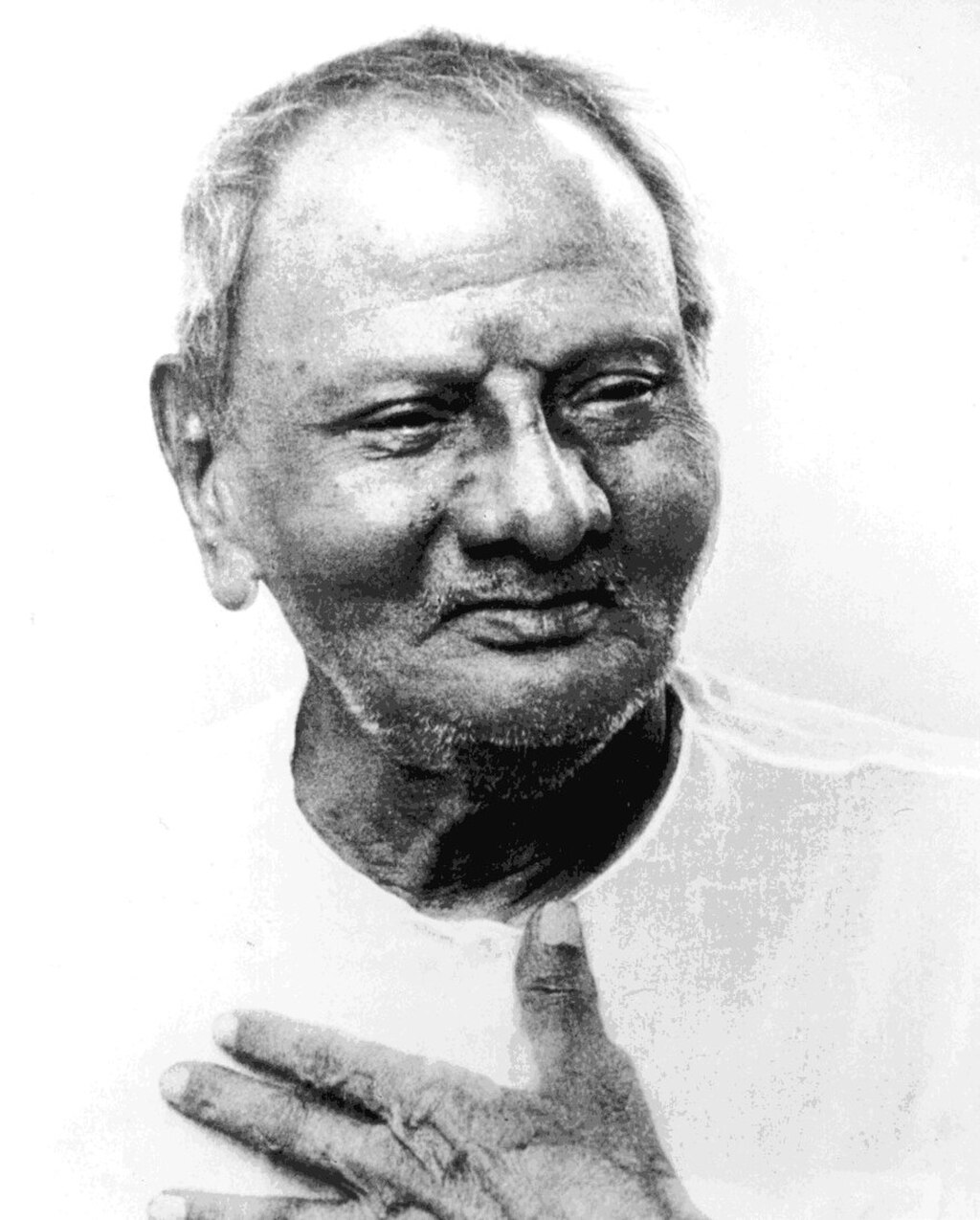
The Paradox of Revelation: Embracing Non-Seeking
Nisargadatta Maharaj's profound assertion, "Stop seeking, and what was always sought will be revealed," invites us to reconsider our relentless pursuit of understanding and fulfillment. In a world driven by desire and ambition, this statement serves as a gentle yet firm reminder that the essence of what we seek—truth, peace, and self-realization—lies not in the act of seeking itself but in the stillness that follows. This teaching challenges our ingrained habits and compels us to pause, reflect, and ultimately discover the richness of our own being.
At its core, this quote encapsulates a radical shift in perspective. It suggests that the very act of seeking can obscure the truth we yearn for, creating a paradox where our desires become obstacles rather than pathways. By relinquishing the compulsion to seek, we open ourselves to the possibility of revelation, allowing what has always been present within us to emerge. This teaching resonates deeply in our contemporary lives, where the noise of constant striving often drowns out the quiet wisdom of our inner selves.
The image / the metaphor
The imagery in Maharaj's quote is striking in its simplicity yet profound in its implications. The verb "stop" conveys a sense of urgency, urging us to halt our frenetic activity and the incessant quest for external validation. The phrase "what was always sought" evokes the idea of an eternal truth, a state of being that exists beyond the confines of our searching minds. This revelation is not something to be chased or captured; rather, it is a gentle unveiling of what has always been present, waiting patiently for our awareness.
Diving deeper into the metaphor, we can envision the act of seeking as a veil that obscures our vision. When we are caught in the cycle of desire, we become like a traveler who is so focused on reaching a destination that they overlook the beauty of the journey itself. The invitation to stop seeking is akin to stepping back from the canvas of our lives, allowing the colors and shapes of our existence to come into focus without the interference of our incessant striving. In this stillness, we may find that what we have long sought is not a distant goal but rather an intrinsic part of our being.
In the speaker's tradition
Nisargadatta Maharaj's teachings are rooted in the non-dual tradition, which emphasizes the unity of all existence and the illusory nature of separation. Concepts such as *sunyata* (emptiness) and *fana* (annihilation of the self) resonate deeply with the essence of his message. In this context, the act of seeking is often seen as a manifestation of the ego's desire to assert its existence, leading to a cycle of suffering. By embracing non-seeking, we can experience *kenosis*, or self-emptying, which allows us to dissolve the barriers that separate us from the truth of our being.
A relevant text that echoes this sentiment is the *Upanishads*, which explore the nature of reality and the self. In the *Chandogya Upanishad*, we find the teaching that "Tat Tvam Asi," or "That Thou Art," suggesting that the seeker and the sought are ultimately one. This profound realization aligns with Maharaj's assertion, as it invites us to recognize that the truth we seek is not external but rather an intrinsic aspect of our own nature, waiting to be unveiled through the cessation of seeking.
Living the teaching
Consider a modern scenario where this teaching can be applied: a person tirelessly pursuing career success, believing that happiness lies in the next promotion or recognition. This relentless striving often leads to burnout and dissatisfaction, as the individual becomes increasingly disconnected from their true self. By embracing Maharaj's teaching to "stop seeking," they might instead cultivate a practice of mindfulness, allowing themselves to appreciate the present moment and recognize the fulfillment that already exists within them, independent of external achievements.
This teaching can also find resonance in relationships. Imagine a couple caught in a cycle of unmet expectations, each partner seeking validation and love from the other. This dynamic can create tension and distance, as both individuals become fixated on what they believe they lack. By applying the principle of non-seeking, they can shift their focus inward, fostering self-acceptance and understanding. This shift allows them to approach their relationship with a sense of fullness rather than neediness, ultimately deepening their connection and fostering a more authentic bond.
A reflection
As we contemplate the depth of Nisargadatta Maharaj's words, we are invited to reflect on our own lives: What are we seeking that may already reside within us? This question encourages us to explore the layers of our desires and the motivations behind our pursuits. In the stillness of this inquiry, we may uncover the profound truth that what we seek is not a distant goal but a revelation of our own essence, waiting patiently for us to stop and recognize it.




Join the BrightStar Community
Stay connected with daily inspiration, event announcements, and community wisdom