The Stillness of Being: Unraveling Progress in Essence
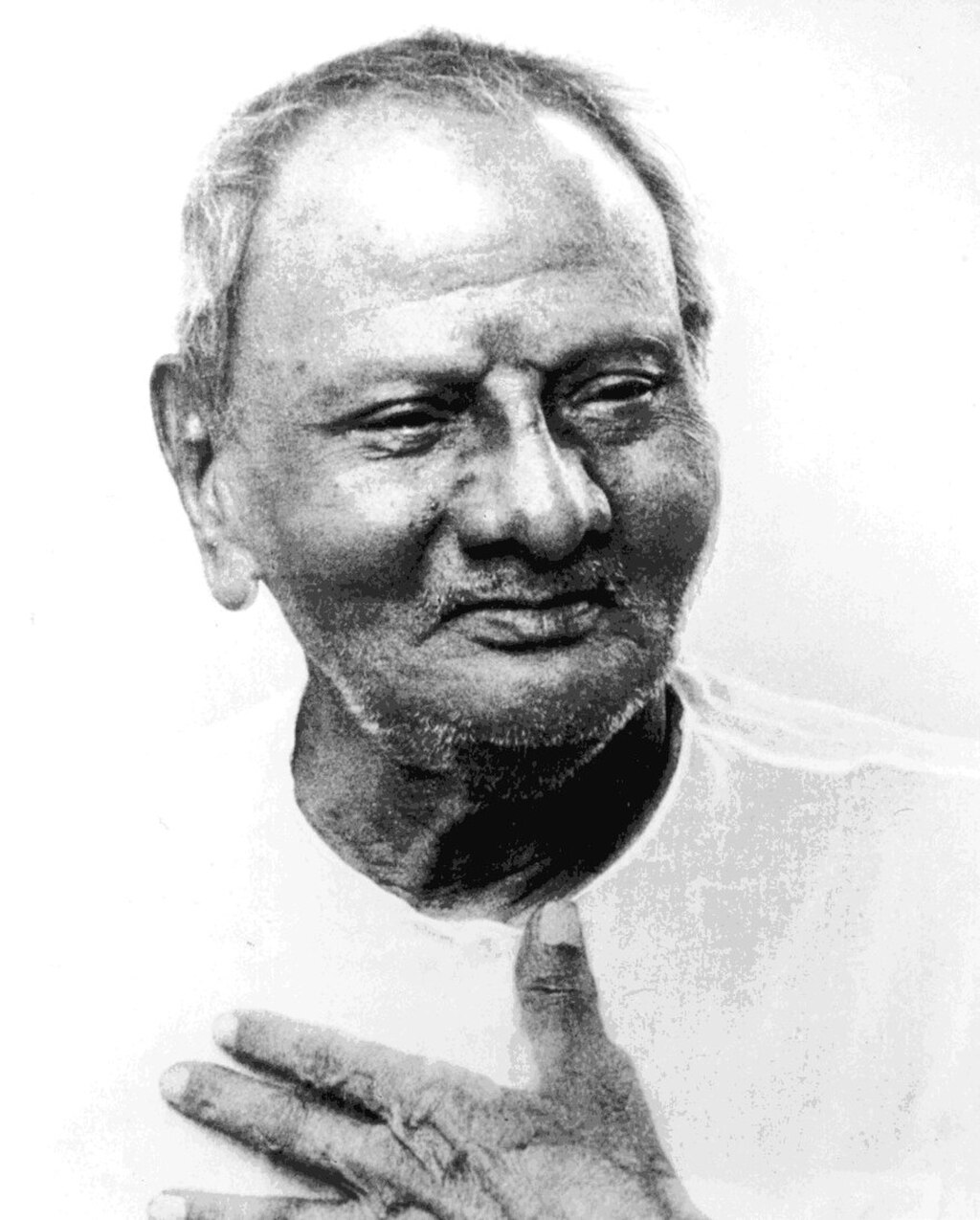
Nisargadatta Maharaj's assertion, "There is no progress in being," invites us to reconsider our understanding of existence and the relentless pursuit of advancement that often characterizes modern life. At its core, this statement challenges the notion that we can evolve or improve our essence through external achievements or milestones. Instead, it suggests that our true nature, the essence of being, is already complete and unchanging, urging us to shift our focus from striving to simply being.
This perspective is vital in a world that often equates worth with progress and success. The relentless chase for improvement can lead to a disconnection from our authentic selves, fostering anxiety and dissatisfaction. By embracing the idea that being is not contingent upon progress, we open ourselves to a deeper understanding of existence, one that emphasizes presence over performance and invites us to explore the richness of our inner lives.
The image / the metaphor
The imagery in Maharaj's quote evokes a sense of stillness and completeness inherent in our being. The verb "is" suggests a state of existence that is not defined by movement or change, but rather by a profound sense of presence. This stillness is akin to a vast ocean, where the surface may be disturbed by waves, yet the depths remain untouched and eternal. In this metaphor, progress becomes a distraction from the essence of who we are, a mere ripple on the surface of a deeper reality.
In the speaker's tradition
Nisargadatta Maharaj's teachings are rooted in the non-dual tradition, which emphasizes the unity of all existence and the illusion of separation. Concepts such as *sunyata* (emptiness) and *fana* (annihilation of the self) resonate deeply with his assertion that there is no progress in being. In this context, the idea of progress is often tied to the ego's desire for validation and achievement, which ultimately distracts us from the realization of our true nature as interconnected beings.
In his seminal work, *I Am That*, Maharaj often refers to the importance of self-inquiry and the recognition of the self as the source of all experience. This aligns with the notion that our essence is not something to be attained or improved upon, but rather something to be recognized and embraced. The teachings of *prajna* (wisdom) in Buddhism echo this sentiment, suggesting that true understanding arises not from accumulation but from the realization of what already is.
Living the teaching
Consider a modern scenario where the relentless pursuit of progress manifests in the workplace. An individual may find themselves caught in a cycle of striving for promotions, accolades, and recognition, believing that each achievement will bring them closer to fulfillment. However, as they chase these external markers of success, they may feel increasingly disconnected from their true self, leading to burnout and dissatisfaction. Maharaj's teaching reminds us that fulfillment does not lie in the next promotion but in the recognition of our inherent worth and the essence of our being.
This teaching can also be applied in the realm of relationships. Often, we may feel the need to "improve" ourselves to be worthy of love or acceptance, leading to a constant state of self-criticism and comparison. By embracing the idea that there is no progress in being, we can cultivate a sense of acceptance and authenticity in our interactions. This shift allows us to engage with others from a place of wholeness rather than inadequacy, fostering deeper connections rooted in the recognition of our shared essence.
A reflection
As we contemplate Maharaj's profound statement, we are invited to explore the nature of our own being. What does it mean to simply exist without the pressure of progress? In a world that often equates value with achievement, how can we cultivate a deeper awareness of our essence and embrace the stillness that lies within? Reflecting on these questions can lead us to a more profound understanding of ourselves and our place in the world.


Join the BrightStar Community
Stay connected with daily inspiration, event announcements, and community wisdom