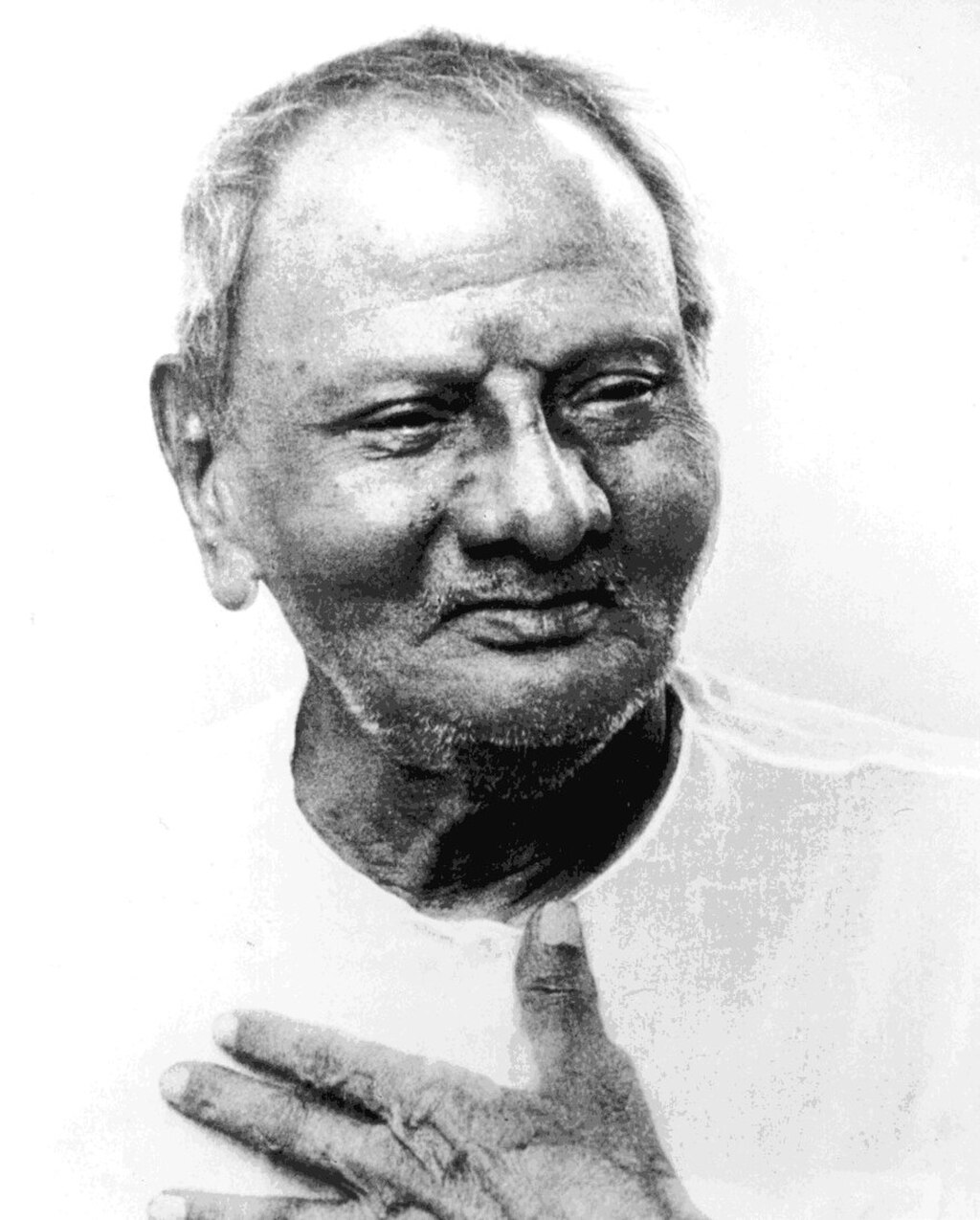
The Essence of Being: Awakening Through Awareness
Nisargadatta Maharaj's assertion that "there is no such thing as enlightenment apart from awareness of being" invites us to reconsider the very nature of enlightenment itself. This profound statement suggests that enlightenment is not a distant goal to be achieved but rather an intrinsic aspect of our existence that unfolds through a deep awareness of our own being. In a world often preoccupied with external validations and transient experiences, this teaching beckons us to turn inward, emphasizing the importance of self-awareness as the gateway to true understanding and liberation.
To grasp the significance of this quote, we must first recognize that awareness is not merely a passive state; it is an active engagement with the essence of who we are. Maharaj's words challenge the conventional notion that enlightenment is a lofty state reserved for the spiritually elite. Instead, he posits that it is accessible to all, rooted in the simple yet profound recognition of our own existence. This awareness of being serves as the foundation upon which all spiritual growth is built, urging us to explore the depths of our consciousness and the interconnectedness of all life.
The image / the metaphor
The imagery in Maharaj's quote evokes a sense of immediacy and intimacy with our own existence. The phrase "awareness of being" suggests a duality that is not separate but rather intertwined; awareness and being are two sides of the same coin. The verbs chosen—"awareness" and "being"—imply a dynamic relationship, where one cannot exist without the other. This felt sense of unity invites us to explore our own consciousness, to recognize that enlightenment is not a destination but a continuous journey of self-discovery.
Diving deeper into the metaphor, we can envision awareness as a light illuminating the shadows of our existence. In this light, we begin to see the layers of our identity, the conditioning that has shaped us, and the essence that lies beneath. The act of becoming aware is akin to peeling back the layers of an onion, revealing the core of our being. This metaphor serves as a reminder that enlightenment is not about acquiring new knowledge but rather about uncovering the truth that has always been present within us.
In the speaker's tradition
Nisargadatta Maharaj's teachings are deeply rooted in the non-dual tradition, which emphasizes the interconnectedness of all existence and the illusion of separation. Concepts such as *sunyata* (emptiness) and *fana* (annihilation of the self) resonate with the idea that true awareness transcends the ego and its attachments. In this context, enlightenment is not a personal achievement but a realization of our inherent unity with the cosmos, a state of being that is accessible through the practice of self-inquiry and mindfulness.
In his seminal work, *I Am That*, Maharaj encourages seekers to engage in a process of self-examination, asking questions such as "Who am I?" This inquiry aligns with the teachings found in other non-dual texts, such as the *Upanishads*, which also emphasize the importance of self-awareness in realizing one's true nature. The journey toward enlightenment, therefore, is not about accumulating knowledge but rather about recognizing the essence of being that is already present within us.
Living the teaching
Consider a modern scenario where an individual feels overwhelmed by the demands of daily life—work, relationships, and societal expectations. In such moments, the teaching of Maharaj can serve as a grounding force. By taking a step back and cultivating an awareness of one's own being, the individual can shift their focus from external pressures to an inner sense of peace. This practice of mindfulness allows them to navigate challenges with greater clarity and resilience, recognizing that their true essence is not defined by external circumstances.
A reflection
As we contemplate Nisargadatta Maharaj's profound statement, we are invited to reflect on our own relationship with awareness and being. How often do we find ourselves caught in the whirlwind of thoughts and distractions, losing sight of our true essence? In this moment of reflection, consider this question: What does it mean for you to cultivate a deeper awareness of your own being, and how might this awareness transform your experience of life?


Join the BrightStar Community
Stay connected with daily inspiration, event announcements, and community wisdom