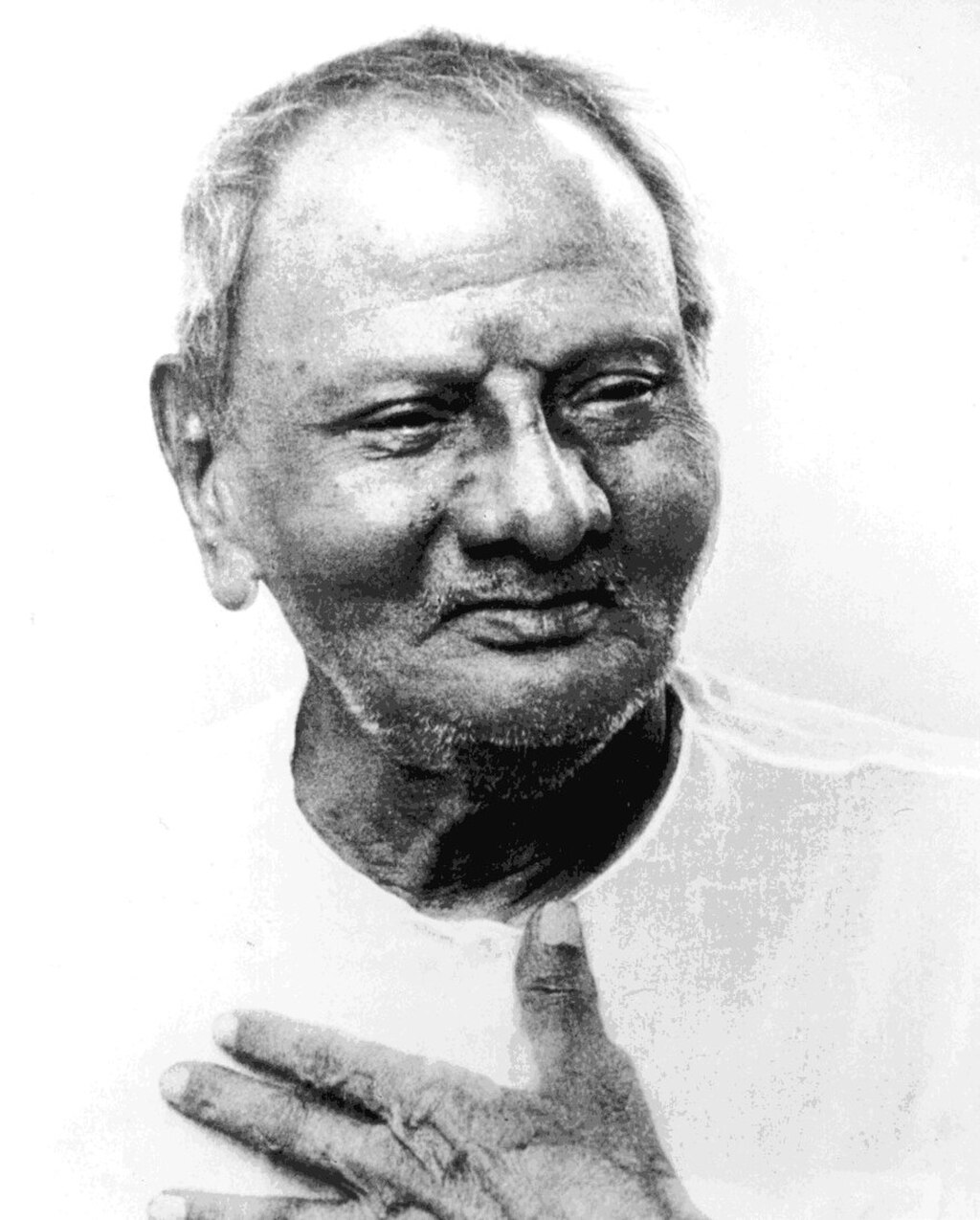
The Liberation of Letting Go: Embracing the Essence of Being
Nisargadatta Maharaj's profound assertion, "To be free, give up the idea of being someone," invites us to reconsider the very foundations of our identity. In a world where we often define ourselves through roles, achievements, and societal expectations, this statement challenges us to relinquish the ego's grip and embrace a more expansive understanding of freedom. The stakes are high; our sense of self can either confine us or liberate us, and the choice to let go of our constructed identities can lead to a deeper experience of existence.
This call to freedom is not merely an abstract philosophical notion but a practical invitation to explore the essence of our being. By surrendering the idea of being "someone," we open ourselves to the possibility of experiencing life without the burdens of attachment and expectation. This journey towards liberation is not without its challenges, as it requires a profound shift in perception and a willingness to confront the discomfort that arises when we strip away the layers of our constructed selves.
The image / the metaphor
The imagery embedded in Maharaj's quote evokes a sense of shedding—a shedding of skins, identities, and the myriad roles we play in our lives. The verbs "give up" suggest an active choice, a conscious decision to release the weight of self-identification. This act of letting go is not passive; it is a courageous leap into the unknown, where the familiar comforts of identity dissolve, leaving behind a raw and unfiltered experience of being.
In the speaker's tradition
Nisargadatta Maharaj's teachings are rooted in the non-dual tradition, which emphasizes the unity of existence and the illusory nature of the self. Concepts such as *sunyata* (emptiness) and *fana* (annihilation of the self) resonate deeply with his message. In this context, the relinquishing of the idea of being someone aligns with the understanding that our perceived separateness is a construct, and true freedom arises from recognizing our inherent oneness with all that is.
In his seminal work, *I Am That*, Maharaj articulates the essence of self-realization as a process of recognizing the distinction between the transient self and the eternal consciousness. This aligns with the Buddhist concept of *anatta*, or non-self, which teaches that clinging to a fixed identity leads to suffering. By embracing the fluidity of existence and the impermanence of our identities, we can cultivate a deeper sense of peace and liberation.
Living the teaching
Consider a modern scenario where this teaching might resonate: a professional grappling with the pressures of success and recognition. In a corporate environment, one may feel compelled to define themselves by their job title, achievements, and the accolades they receive. By internalizing Maharaj's teaching, this individual could begin to detach from the need for external validation, recognizing that their worth is not contingent upon their professional identity but rather on their intrinsic nature as a conscious being.
In the realm of relationships, the application of this teaching can be transformative. Imagine a couple facing conflict, each person entrenched in their own narrative of who is right or wrong. By embracing the idea of giving up the need to be "someone" in the context of their relationship, they can foster a space of vulnerability and openness. This shift allows them to move beyond ego-driven arguments and into a deeper connection rooted in empathy and understanding, ultimately enriching their bond.
A reflection
As we contemplate the wisdom of Nisargadatta Maharaj's words, we are invited to reflect on our own lives: What identities or roles are we clinging to that may be hindering our freedom? In what ways can we begin to release these attachments to experience a more profound sense of being? This inquiry can serve as a guiding light on our journey toward liberation, encouraging us to explore the depths of our true nature beyond the confines of self-imposed limitations.




Join the BrightStar Community
Stay connected with daily inspiration, event announcements, and community wisdom