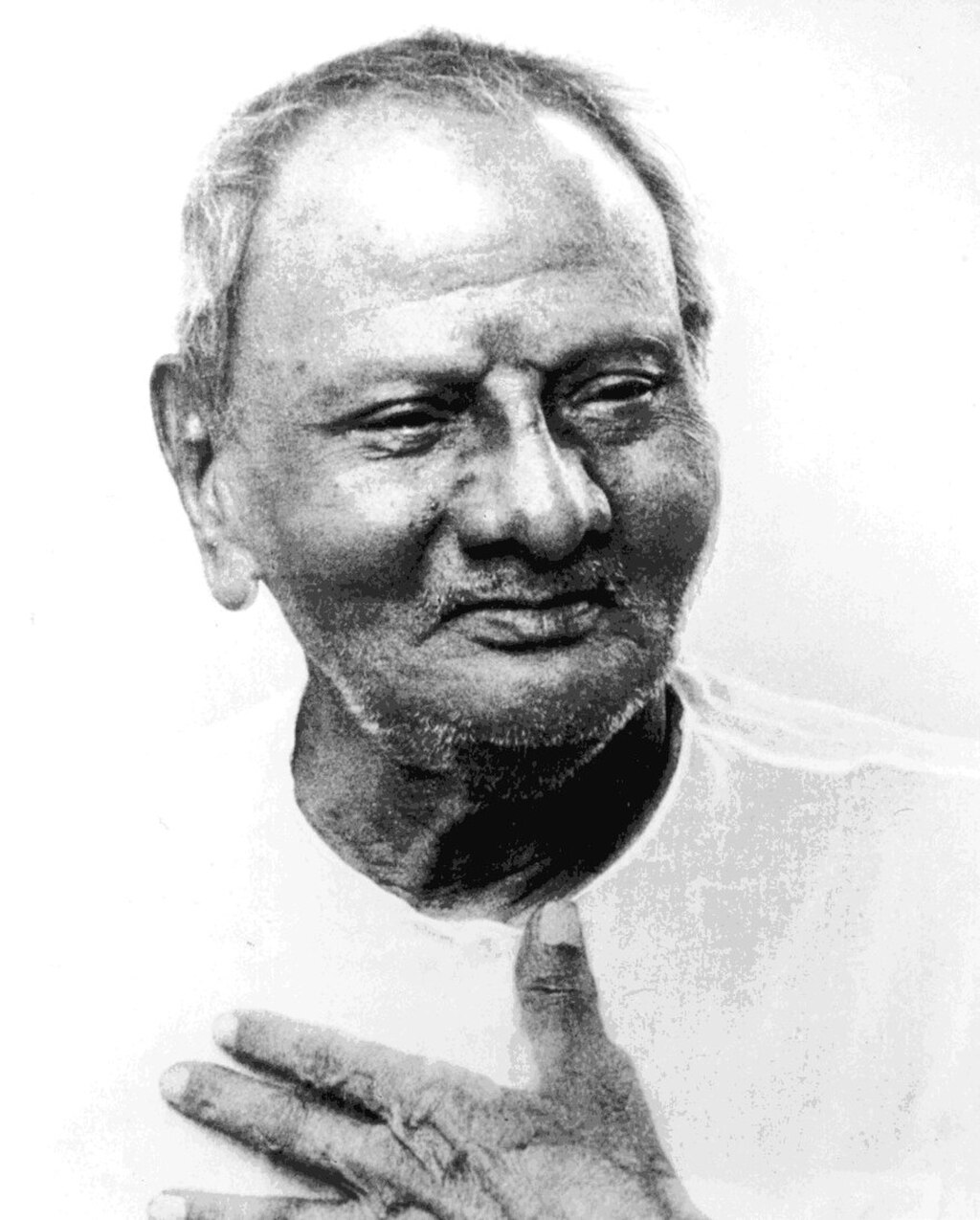
The Essence of Being: Embracing Sufficiency
In the profound simplicity of Nisargadatta Maharaj's assertion, "To be is enough," we encounter a radical invitation to recognize the inherent value of existence itself. This statement challenges the incessant human tendency to seek validation and meaning outside of our own being. In a world that often equates worth with achievement, status, or material possession, Maharaj's words remind us that our very existence is a complete and sufficient reality. This insight is not merely philosophical; it is a transformative realization that can lead to profound inner peace and acceptance.
Delving deeper into this teaching, we find that the essence of being transcends the superficial layers of identity and societal expectations. Maharaj's message encourages us to embrace our existence without the need for external affirmation or justification. In a culture that often promotes a relentless pursuit of more—more success, more happiness, more validation—this teaching serves as a gentle yet powerful reminder that simply being is a state of fulfillment. It invites us to reflect on the nature of our existence and the profound sufficiency that lies within it.
The image / the metaphor
At its core, the phrase "To be is enough" evokes a sense of grounding and presence. The verb "to be" signifies a state of existence that is unadorned and pure, free from the burdens of expectation or desire. It conjures an image of stillness, where the noise of ambition and the clamor of societal pressures fade away, leaving only the essence of who we are. This simplicity is both liberating and profound, as it invites us to step into the fullness of our being without the need for embellishment or justification.
Moreover, the metaphor of being as enough suggests a deep connection to the essence of life itself. It implies that existence is not a mere backdrop for our achievements but rather the very foundation upon which all experiences unfold. In this light, being becomes a canvas upon which the colors of our experiences are painted, and the act of simply existing is celebrated as a masterpiece in its own right. This perspective encourages us to cultivate a sense of gratitude for our existence, recognizing it as a gift that does not require enhancement.
In the speaker's tradition
Nisargadatta Maharaj's teachings are deeply rooted in the non-dual tradition, which emphasizes the interconnectedness of all existence and the illusion of separateness. Concepts such as *sunyata* (emptiness) and *fana* (annihilation of the self) resonate with the idea that our true nature is beyond the confines of individual identity. In this context, "To be is enough" aligns with the understanding that the essence of being transcends the ego and its incessant desires. It invites us to recognize that our true self is not defined by external circumstances but is an expression of the universal consciousness that permeates all life.
In Maharaj's seminal work, *I Am That*, he articulates the notion that the realization of one's true nature leads to liberation from suffering and the endless cycle of desire. This aligns with the Buddhist concept of *dharma*, which teaches that understanding the nature of existence is key to alleviating suffering. By embracing the sufficiency of being, we align ourselves with the fundamental truths of existence, allowing us to experience life with greater clarity and compassion.
Living the teaching
Consider a modern scenario where the teaching of "To be is enough" can be applied: a professional grappling with the pressures of career advancement. In a culture that often equates self-worth with job titles and accolades, this individual may find themselves in a constant state of striving, feeling inadequate despite their accomplishments. By internalizing Maharaj's teaching, they can begin to shift their perspective, recognizing that their value is inherent and not contingent upon external validation. This realization can lead to a profound sense of peace, allowing them to engage in their work with authenticity rather than anxiety.
Another application of this teaching can be found in personal relationships. Imagine a couple facing challenges, where one partner feels the need to prove their worth through acts of service or material gifts. By embracing the idea that "To be is enough," both partners can cultivate a deeper understanding of their intrinsic value, fostering a relationship built on acceptance rather than performance. This shift can transform their interactions, allowing for a more genuine connection that honors each person's essence without the need for constant validation.
A reflection
As we contemplate the profound simplicity of "To be is enough," we are invited to explore the depths of our own existence. What would it mean for you to embrace the sufficiency of your being, free from the pressures of achievement and expectation? In moments of doubt or striving, how might you return to the essence of simply being, allowing that to guide your actions and interactions? This question invites us to reflect on the beauty of existence itself and the transformative power of recognizing our inherent worth.




Join the BrightStar Community
Stay connected with daily inspiration, event announcements, and community wisdom