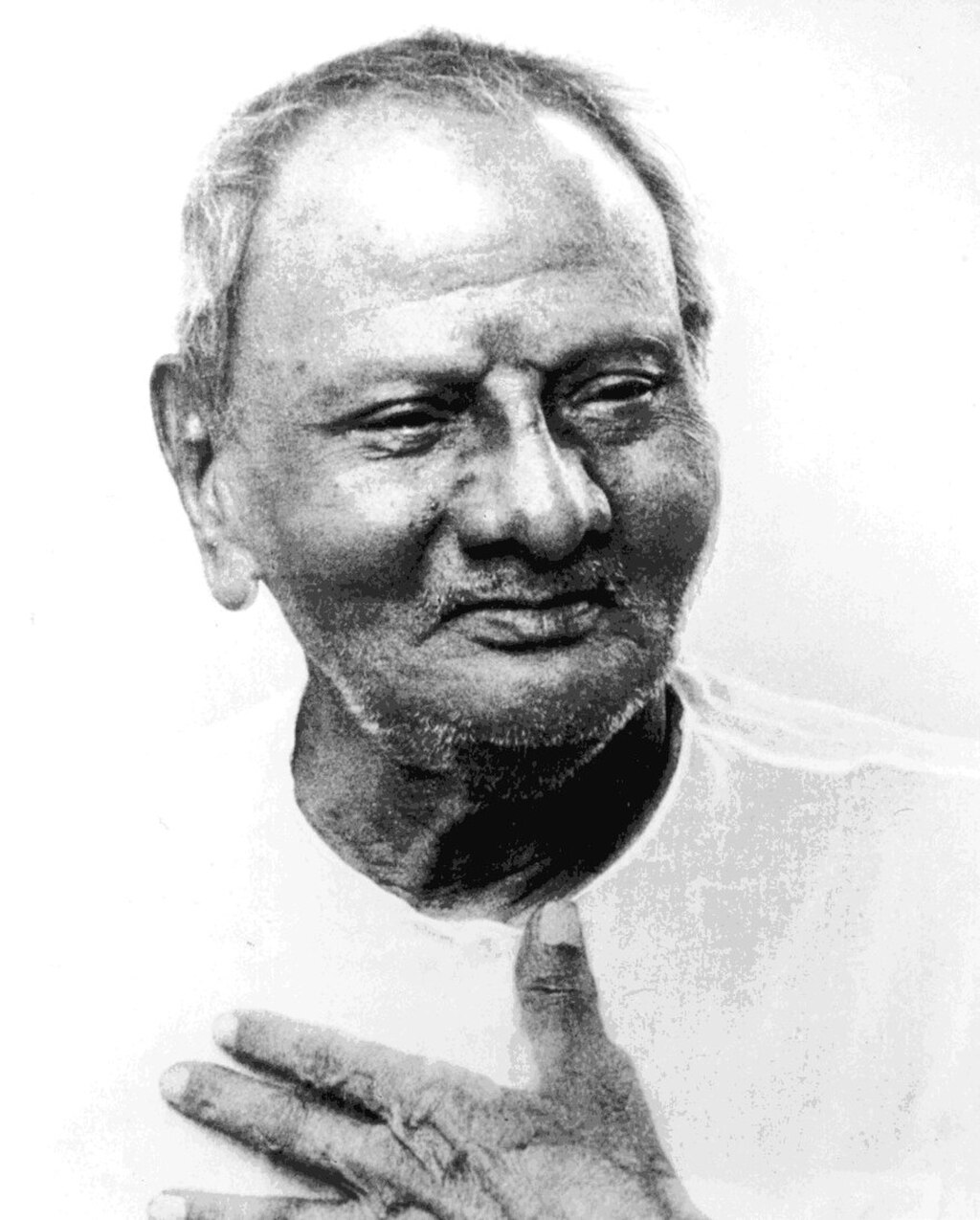
The Art of Stillness: Observing the Self
Nisargadatta Maharaj's profound invitation to "be still, just observe" beckons us into a realm of introspection and awareness. This simple yet powerful directive encourages us to cultivate a state of inner stillness, allowing us to witness our thoughts, emotions, and experiences without attachment or judgment. In a world rife with distractions and incessant noise, this practice of observation becomes a sanctuary, a means to reconnect with our true essence and the deeper currents of existence.
To embrace stillness is to step away from the tumult of daily life and enter a space where clarity and insight can flourish. Maharaj's words remind us that observation is not merely a passive act; it is an active engagement with the present moment. By observing without interference, we can begin to unravel the layers of our conditioned responses and habitual patterns, leading us toward a more authentic understanding of ourselves and our place in the universe.
The image / the metaphor
The imagery in Maharaj's quote evokes a serene landscape, where stillness reigns and the observer becomes one with the environment. The verb "observe" suggests a gentle, non-intrusive awareness, akin to watching clouds drift across the sky or leaves rustle in the wind. This act of observation is not about analyzing or dissecting; rather, it is about being present, allowing thoughts and feelings to arise and pass without clinging to them. The stillness serves as a backdrop, creating a space where insights can emerge organically.
Diving deeper into the metaphor, we can see that stillness is not merely the absence of noise but a profound state of being that allows for clarity and understanding. In this context, observation becomes a transformative practice, where the observer and the observed are not separate entities but part of a unified whole. This interconnectedness invites us to recognize that our thoughts and experiences are transient, and by observing them without attachment, we can cultivate a sense of peace and acceptance.
In the speaker's tradition
Nisargadatta Maharaj's teachings are rooted in the non-dual tradition, which emphasizes the unity of all existence and the illusory nature of the self. Concepts such as *sunyata* (emptiness) and *fana* (annihilation of the self) resonate deeply within this framework, inviting practitioners to transcend the ego and experience the underlying oneness of reality. The practice of observation aligns with the notion of *prajna*, or wisdom, which arises when we see things as they truly are, free from the distortions of our conditioned mind.
A relevant text that echoes this sentiment is the *Ashtavakra Gita*, which speaks to the importance of self-inquiry and the realization of one's true nature. Just as Maharaj encourages stillness and observation, the *Ashtavakra Gita* invites us to question our beliefs and perceptions, leading us toward liberation from the confines of the ego. Both texts serve as guides on the path to awakening, emphasizing the necessity of stillness and awareness in the journey toward self-realization.
Living the teaching
Consider a modern scenario where the chaos of daily life often overwhelms us—perhaps during a hectic day at work, filled with deadlines and distractions. In such moments, Maharaj's teaching to "be still, just observe" can serve as a powerful anchor. By taking a few moments to pause, breathe, and observe our thoughts and feelings without judgment, we can create a space of calm amidst the storm. This practice allows us to respond to challenges with clarity rather than react impulsively, fostering a sense of empowerment and presence.
This teaching can also be applied in our relationships, especially during conflicts or misunderstandings. When emotions run high, the instinct may be to defend or react. However, if we can embody the essence of stillness and observation, we create an opportunity to listen deeply and understand the other person's perspective. This practice not only enhances our capacity for empathy but also nurtures healthier, more authentic connections with those around us.
A reflection
As we contemplate Nisargadatta Maharaj's invitation to "be still, just observe," we are called to reflect on our own lives and the ways we engage with our thoughts and emotions. In what areas do we find ourselves caught in the whirlwind of reaction, rather than embracing the stillness of observation? Consider this contemplative question: How might your life transform if you dedicated time each day to simply observe your inner landscape without judgment or attachment?




Join the BrightStar Community
Stay connected with daily inspiration, event announcements, and community wisdom