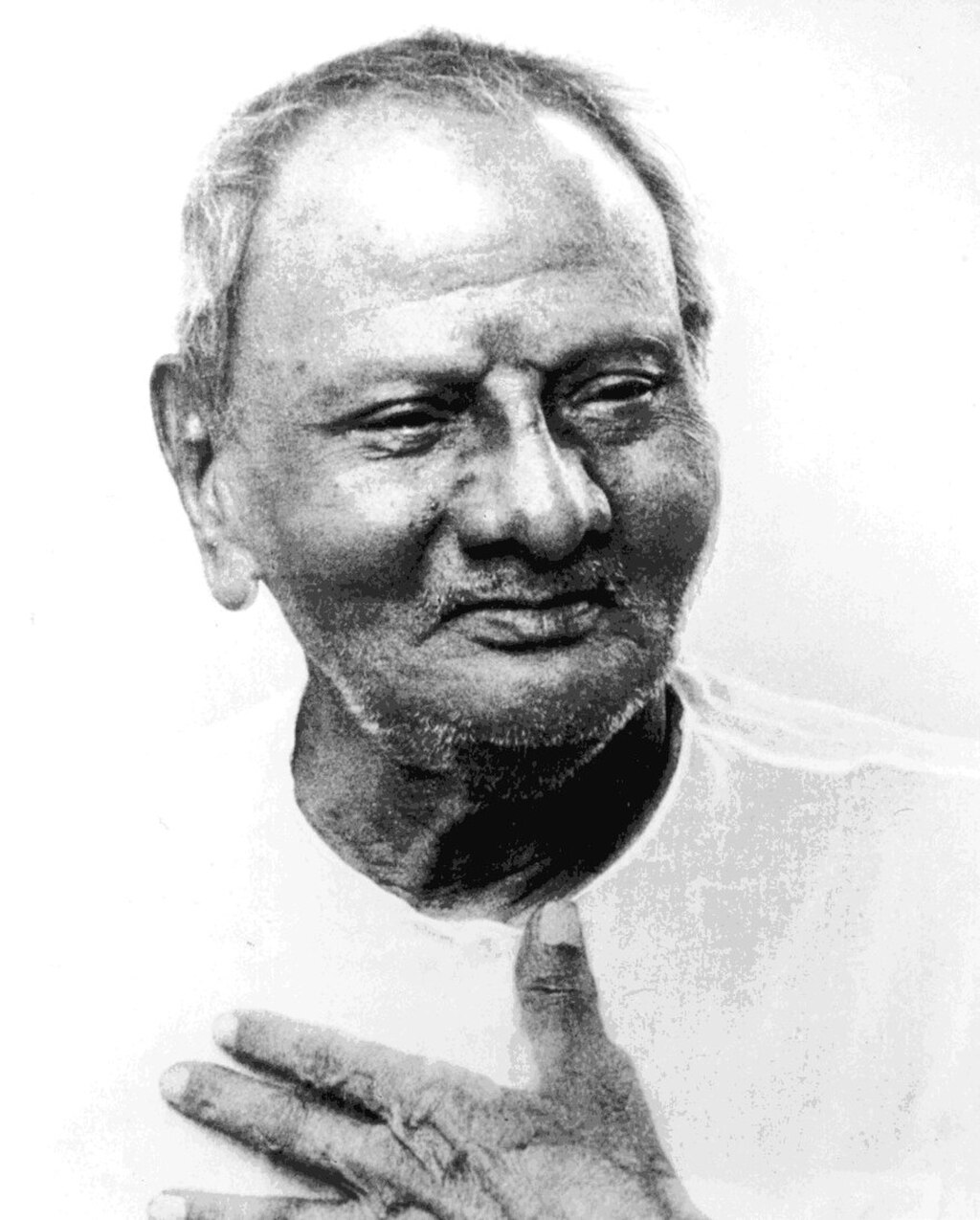
Unraveling the Self: The Path of Negation
Nisargadatta Maharaj's profound assertion, "To know what you are, you must first know what you are not," invites us into a deep inquiry of self-awareness and identity. This statement emphasizes the necessity of negation in the journey toward self-realization. By understanding the layers of illusion that obscure our true nature, we can begin to peel back the false identities we cling to, revealing the essence of who we truly are. This exploration is not merely philosophical; it is a vital practice for anyone seeking clarity and authenticity in their lives.
In a world saturated with distractions and societal expectations, the quest for self-knowledge becomes increasingly urgent. Maharaj's teaching serves as a guiding light, urging us to engage in a process of introspection that challenges our preconceived notions of self. The journey of self-discovery is often fraught with discomfort, as it requires us to confront the aspects of ourselves that we may prefer to ignore. Yet, it is precisely through this confrontation that we can transcend the limitations of our conditioned identities and embrace a more expansive understanding of existence.
The image / the metaphor
The imagery embedded in Maharaj's quote evokes a sense of peeling away layers, much like an onion, where each layer represents a false identity or belief. The verbs "know" and "must" suggest a deliberate and active engagement in this process of self-inquiry. To "know what you are not" implies a rigorous examination of the self, where one must confront the illusions that have been constructed over time. This act of negation is not merely an intellectual exercise; it is a visceral experience that can lead to profound transformation.
Diving deeper into the metaphor, we can see that the act of negation serves as a cleansing process, akin to the purifying fire that refines gold. Just as gold is tested and purified through heat, our understanding of self must endure the flames of inquiry and doubt. This metaphor highlights the necessity of discomfort in the journey toward clarity. It is through the recognition of what we are not—our fears, attachments, and societal roles—that we can begin to glimpse the unconditioned self that lies beneath the surface.
In the speaker's tradition
Nisargadatta Maharaj's teachings are rooted in the non-dual tradition, which emphasizes the interconnectedness of all existence and the illusion of separateness. Concepts such as *sunyata* (emptiness) and *fana* (annihilation of the self) resonate deeply with his assertion. In this context, understanding what we are not is akin to recognizing the emptiness of our constructed identities, allowing us to experience the fullness of our true nature. This journey of negation aligns with the principles of *dharma*, where one seeks to live in accordance with the ultimate truth of existence.
In his seminal work, *I Am That*, Maharaj elaborates on the importance of self-inquiry and the necessity of recognizing the transient nature of the ego. He draws parallels with the teachings of Advaita Vedanta, where the realization of the non-dual self is achieved through the dissolution of the false self. This process of inquiry is not merely an intellectual pursuit; it is a transformative experience that leads to liberation from the confines of dualistic thinking.
Living the teaching
Consider a modern scenario where an individual grapples with their professional identity. Many people define themselves through their careers, often feeling lost or unfulfilled when faced with job changes or layoffs. In this context, Maharaj's teaching invites the individual to explore the question: "Who am I beyond my job title?" By engaging in this inquiry, they may begin to uncover the aspects of themselves that are not tied to external validation or societal expectations, leading to a more authentic sense of self.
In relationships, this teaching can manifest as a powerful tool for growth. When conflicts arise, individuals often cling to their roles as partners, friends, or family members, leading to misunderstandings and resentment. By applying the principle of negation, one can ask, "What am I not in this relationship?" This inquiry can reveal patterns of behavior or expectations that contribute to discord, allowing for a deeper understanding and a more compassionate engagement with one another.
A reflection
As we contemplate Maharaj's profound insight, we are invited to engage in a personal inquiry: What aspects of my identity are merely constructs of my environment and experiences? This question encourages us to reflect on the layers we have built around ourselves and to consider the possibility of a more authentic existence. In this moment of contemplation, we may find the courage to embark on the journey of self-discovery, embracing the discomfort of negation as a pathway to true understanding.


Join the BrightStar Community
Stay connected with daily inspiration, event announcements, and community wisdom