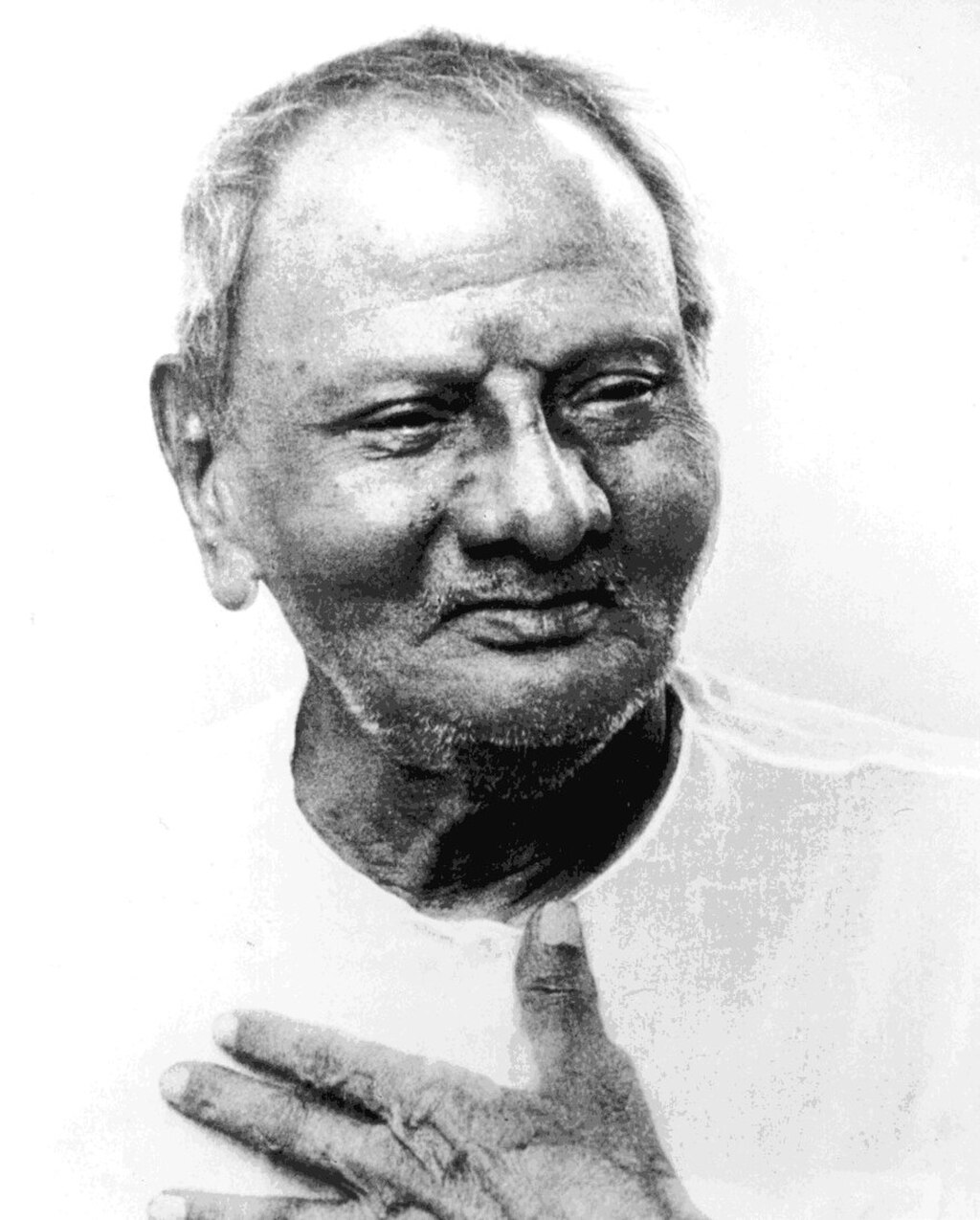
The Liberation of Non-Self: Embracing the Absence of Problems
Nisargadatta Maharaj's assertion, "Where there is no self, there is no problem," invites us into a profound exploration of identity and suffering. At its core, this statement challenges the very foundation of our perceived existence, suggesting that the problems we face are intricately tied to our attachment to a separate self. In a world where individualism often reigns supreme, this teaching beckons us to reconsider the nature of our struggles and the essence of our being. The stakes are high; understanding this concept could lead to a transformative shift in how we navigate our lives.
Delving deeper, we find that the notion of self is not merely a philosophical abstraction but a lived experience that shapes our perceptions and interactions. The self, as we commonly understand it, is a construct built upon memories, desires, and fears. When we cling to this identity, we inadvertently cultivate a landscape rife with conflict and dissatisfaction. Maharaj's insight serves as a beacon, illuminating the path toward liberation by suggesting that the dissolution of this self-concept can lead to a state of peace and clarity, free from the burdens of personal problems.
The image / the metaphor
The imagery in Maharaj's quote evokes a sense of spaciousness and freedom. The phrase "where there is no self" conjures a vast expanse, unencumbered by the weight of ego and personal narrative. The verbs chosen—"is" and "is not"—suggest a stark dichotomy, inviting us to consider the implications of existence without the self. This felt sense of liberation resonates deeply, as it implies that the entanglements we experience are not inherent to our being but rather the result of our identification with a limited self.
In the speaker's tradition
Nisargadatta Maharaj's teachings are rooted in the non-dual tradition, which emphasizes the interconnectedness of all beings and the illusory nature of separateness. Concepts such as *sunyata* (emptiness) and *fana* (annihilation of the self) resonate with his assertion, as they highlight the transformative power of recognizing the non-self. In this context, the dissolution of the ego is not an act of destruction but a return to our essential nature, where the burdens of personal problems cease to exist.
In his seminal work, *I Am That*, Maharaj articulates the idea that true understanding arises from direct experience rather than intellectual comprehension. This aligns with the Buddhist concept of *prajna*, or wisdom, which transcends dualistic thinking. By engaging with the essence of our being, we can cultivate a deeper awareness that allows us to navigate life's challenges with grace and equanimity, free from the shackles of a self-centered perspective.
Living the teaching
Consider a modern scenario where this teaching can be applied: a workplace conflict. Imagine two colleagues at odds over a project, each clinging to their perspectives and identities. The tension escalates as they defend their positions, creating a cycle of blame and frustration. However, if one or both individuals were to embrace the idea of non-self, they might recognize that their attachment to their roles and opinions is fueling the conflict. By stepping back and viewing the situation from a broader perspective, they could find common ground and resolve the issue with greater ease.
In a different application, let’s explore a personal relationship marked by misunderstandings. When we perceive ourselves as separate entities, we often react defensively, interpreting the other’s actions as personal attacks. However, if we embody the essence of Maharaj's teaching, we can approach the relationship with compassion and openness. By letting go of the need to protect our ego, we create space for genuine connection and understanding, allowing love and empathy to flourish in the absence of self-imposed barriers.
A reflection
As we contemplate the depth of Maharaj's insight, we are invited to reflect on our own lives: What problems persist in my experience that may be rooted in my attachment to a separate self? This question encourages us to explore the layers of our identity and consider how our perceptions shape our reality. In this inquiry, we may find the seeds of transformation, leading us toward a more liberated existence, free from the confines of self-imposed limitations.




Join the BrightStar Community
Stay connected with daily inspiration, event announcements, and community wisdom