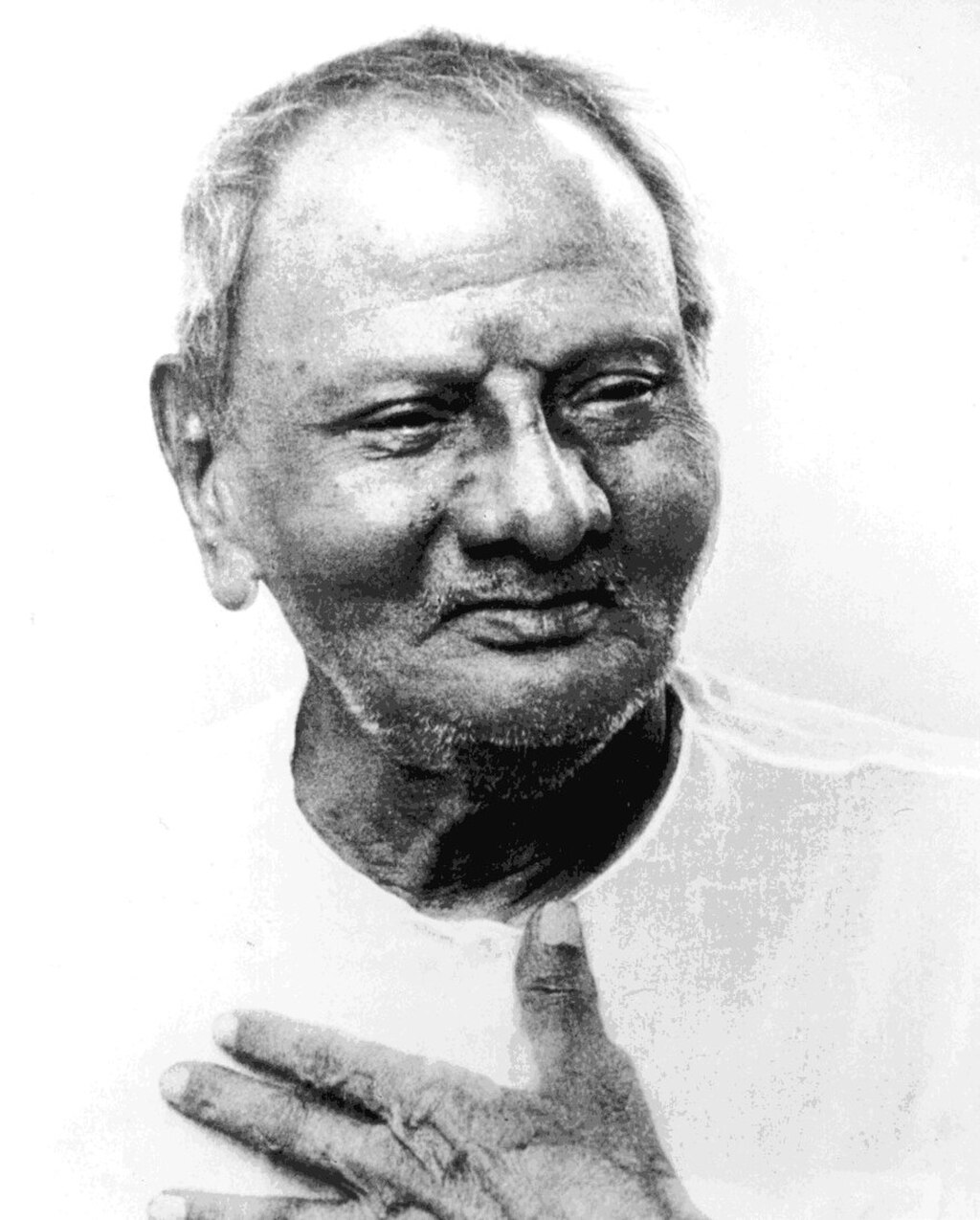
Awakening to the Dreamer Within
The quote "You are not the dream. You are the dreamer," attributed to Nisargadatta Maharaj, invites us to explore the profound distinction between our experiences and our essence. In a world where we often identify with our thoughts, emotions, and circumstances, this teaching serves as a gentle reminder that we are not merely the sum of our experiences; rather, we are the conscious awareness that observes them. Recognizing this distinction is crucial for spiritual awakening, as it liberates us from the confines of our conditioned identities and opens the door to deeper self-realization.
To grasp the significance of this quote, we must delve into the nature of consciousness and the role of the witness. The dream represents the myriad experiences and narratives we encounter in life, often filled with confusion, suffering, and attachment. In contrast, the dreamer embodies the unchanging awareness that observes these experiences without being ensnared by them. This understanding is not merely philosophical; it is a transformative insight that can lead to a profound sense of peace and liberation from the cycles of desire and aversion that bind us.
The image / the metaphor
The imagery of dreaming evokes a rich tapestry of meaning. Dreams are ephemeral, often nonsensical, and yet they can feel incredibly real while we are immersed in them. By stating that we are not the dream, Maharaj encourages us to recognize the transient nature of our thoughts and experiences. The verb "are" in this context emphasizes our true identity as the witness, the observer who remains constant amidst the ever-changing landscape of our lives. This distinction is not merely semantic; it is a profound realization that can shift our entire perspective on existence.
Diving deeper into the metaphor, we can see that the dreamer is not separate from the dream; rather, the dream arises within the dreamer. This interconnectedness suggests that while we may experience the dream of life, we possess the power to awaken to our true nature. The dreamer is the source of creativity and consciousness, capable of shaping the narrative of the dream through awareness and intention. This understanding invites us to engage with our lives more consciously, recognizing that we have the ability to influence our experiences rather than being passive participants.
In the speaker's tradition
Nisargadatta Maharaj's teachings are rooted in the non-dual tradition, which emphasizes the unity of all existence and the illusory nature of separateness. Concepts such as *sunyata* (emptiness) and *fana* (annihilation of the self) resonate deeply with the idea that our perceived identities are mere constructs. In this context, the dream and the dreamer reflect the interplay between form and formlessness, inviting us to transcend the illusion of duality and recognize our inherent oneness with all that is. This perspective aligns with the notion of *prajna*, or wisdom, which arises when we see beyond the surface of our experiences.
A relevant text that echoes this sentiment is the *Ashtavakra Gita*, which similarly emphasizes the distinction between the self and the experiences of the world. In this ancient scripture, the sage Ashtavakra teaches that true liberation comes from recognizing our eternal nature as consciousness, free from the limitations imposed by the mind and body. Both Maharaj and Ashtavakra guide us toward a profound understanding of our true identity, urging us to awaken from the dream of separation and embrace the fullness of our being.
Living the teaching
Consider a modern scenario where this teaching can be applied: a person facing a challenging situation at work, feeling overwhelmed by stress and anxiety. In this moment, they might identify strongly with their role, believing that their worth is tied to their performance. However, by remembering that they are the dreamer, they can step back and observe their thoughts and feelings without judgment. This shift in perspective allows them to navigate the situation with greater clarity and composure, recognizing that their true essence is not defined by external circumstances.
Another application of this teaching can be found in relationships. Imagine a conflict arising between two partners, where emotions run high and misunderstandings abound. By embodying the role of the dreamer, each individual can cultivate awareness of their reactions and the narratives they create about the other person. This conscious observation fosters empathy and understanding, enabling them to engage in a more constructive dialogue. In this way, the practice of recognizing oneself as the dreamer can transform not only personal experiences but also interpersonal dynamics, leading to deeper connections and harmony.
A reflection
As we contemplate the wisdom encapsulated in the quote, we are invited to explore a profound question: In what ways do I identify with the dream of my life, and how might I awaken to the dreamer within? This inquiry encourages us to reflect on our attachments, beliefs, and the stories we tell ourselves. By engaging with this question, we can begin to unravel the layers of our conditioned identities and step into the expansive awareness that lies at the heart of our being.




Join the BrightStar Community
Stay connected with daily inspiration, event announcements, and community wisdom