The Essence of Being: Unraveling Awareness Beyond Thought
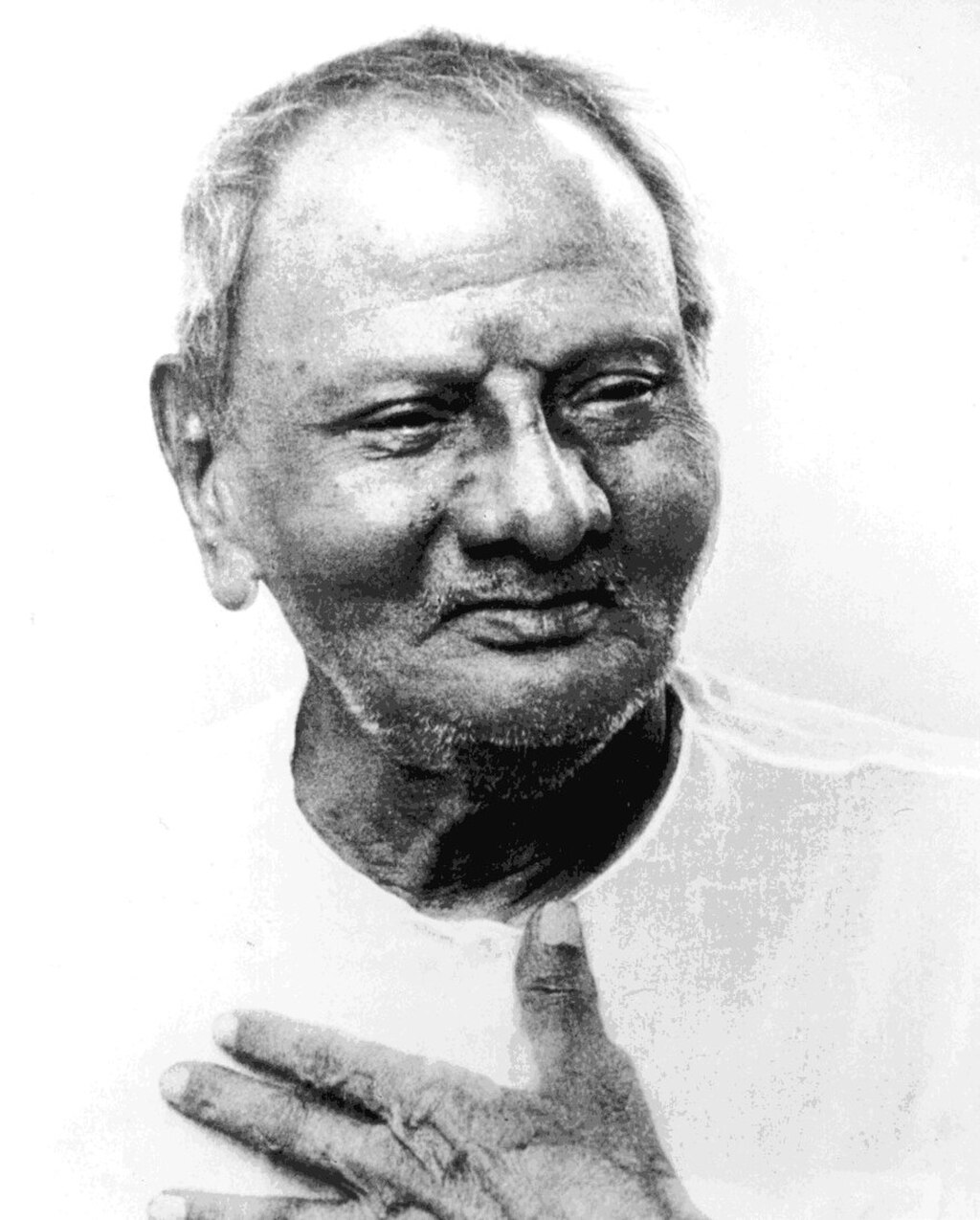
Nisargadatta Maharaj's assertion, "You are pure awareness. The body and mind are just thoughts," invites us to explore the profound nature of our existence. This statement challenges the conventional understanding of self, urging us to recognize that our true essence transcends the physical and mental constructs we often identify with. In a world where we are frequently defined by our thoughts and experiences, this teaching serves as a reminder of the deeper reality that lies beneath the surface of our daily lives.
By emphasizing the distinction between awareness and the transient nature of body and mind, Maharaj invites us to engage in a contemplative inquiry into the nature of our being. This exploration is not merely an intellectual exercise; it is a transformative journey that can lead to liberation from the confines of ego and identity. Understanding ourselves as pure awareness opens the door to a more profound sense of peace and connection with the universe, allowing us to navigate life with greater clarity and purpose.
The image / the metaphor
The imagery in Maharaj's quote evokes a sense of spaciousness and freedom. When he speaks of "pure awareness," he conjures an essence that is unbounded and ever-present, contrasting sharply with the limitations of the body and mind, which he describes as "just thoughts." This choice of words suggests that our physical form and mental processes are ephemeral, akin to clouds passing through the vast sky of consciousness. The verbs "are" and "are just" imply a stark differentiation, inviting us to recognize that while thoughts and sensations arise, they do not define our true nature.
Diving deeper into this metaphor, we can envision awareness as the ocean, vast and deep, while the body and mind represent the waves that rise and fall upon its surface. The waves are dynamic, constantly changing, yet they are inseparable from the ocean itself. This analogy illustrates that while our thoughts and physical sensations may fluctuate, they are ultimately expressions of the same underlying awareness. By recognizing ourselves as the ocean rather than the waves, we cultivate a sense of stability and peace that transcends the turbulence of our thoughts and experiences.
In the speaker's tradition
Nisargadatta Maharaj's teachings are rooted in the non-dual tradition, which emphasizes the unity of all existence and the illusory nature of separateness. Concepts such as *sunyata* (emptiness) and *fana* (annihilation of the self) resonate deeply within this framework, suggesting that the realization of our true nature involves transcending the ego and the identification with the body and mind. In this context, awareness is not merely a passive observer but an active participant in the unfolding of life, embodying the essence of *dharma*—the natural order of the universe.
A relevant text that echoes Maharaj's insights is the *Upanishads*, which articulate the idea of *Brahman* as the ultimate reality, equating it with pure consciousness. The *Mandukya Upanishad*, for instance, describes the four states of consciousness—waking, dreaming, deep sleep, and the transcendent state of *turiya*, which is pure awareness. This ancient wisdom aligns with Maharaj's assertion, reinforcing the notion that our true self is not confined to the physical or mental realms but is instead an expression of a deeper, unified consciousness.
Living the teaching
Consider a modern scenario where this teaching can be applied: during a stressful day at work, one might find themselves overwhelmed by thoughts of deadlines and responsibilities. In such moments, the distinction between awareness and thought becomes crucial. By pausing to recognize that these thoughts are merely transient waves in the ocean of awareness, one can cultivate a sense of detachment and clarity. This practice allows for a more grounded response to stress, transforming anxiety into a space of calm observation.
In relationships, the teaching of pure awareness can also illuminate the dynamics of connection. When conflicts arise, individuals often become entangled in their thoughts and emotions, identifying strongly with their perspectives. By remembering that both partners are expressions of the same underlying awareness, it becomes possible to approach disagreements with compassion and understanding. This shift fosters deeper communication and connection, allowing love to flourish beyond the limitations of individual thoughts and egos.
A reflection
As we contemplate Maharaj's profound statement, we are invited to ask ourselves: "What would it mean to live as pure awareness, free from the confines of my thoughts and identity?" This question encourages a deep exploration of our daily experiences, prompting us to observe how often we identify with our thoughts and emotions rather than recognizing the expansive awareness that underlies our existence. In this inquiry, we may discover pathways to greater peace, connection, and authenticity in our lives.


Join the BrightStar Community
Stay connected with daily inspiration, event announcements, and community wisdom